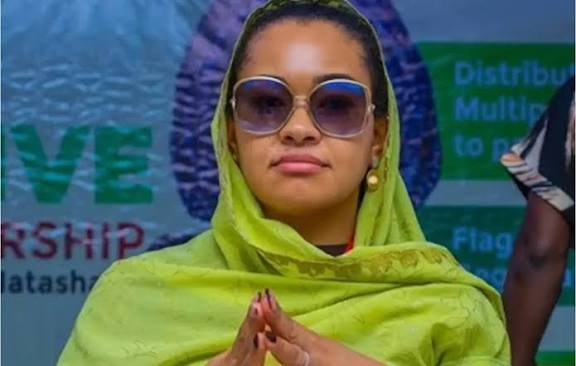
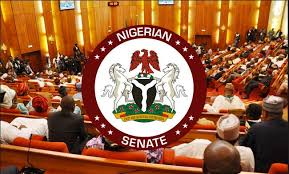
The fight for fair earnings for Nigeria’s growing army of digital content creators took centre stage in the Senate on Thursday, after Senator Natasha Akpoti-Uduaghan (Kogi Central) warned that global tech platforms are short-changing young Nigerians who depend on online content for survival.
During the heated debate on the BOFIA Amendment Bill, 2025 (SB 959), Natasha said the country must confront the realities of an economy where millions now earn from YouTube, TikTok, Instagram and other platforms—yet receive fractions of what creators in developed countries are paid for the same work.
“Our youths are earning 50 cents for content that makes $10 to $30 per thousand views in the U.S.,” she said. “That disparity is unfair, and it must feature in any serious conversation about financial reforms.”
She stressed that digital earnings now rival traditional job opportunities for young people, making transparency, fair revenue structures and regulatory engagement with global tech companies unavoidable.
“Social media is no longer a hobby—it is income,” she added. “We must protect Nigerian creators in the global market.”
Her intervention shifted the Senate’s debate beyond the risks posed by fintech operators to the broader digital ecosystem that millions of young Nigerians rely on.
The main bill, sponsored by Senator Tokunbo Abiru (Lagos East), seeks to update the Banks and Other Financial Institutions Act by giving the Central Bank of Nigeria (CBN) powers to classify dominant fintechs as Systemically Important Institutions (SIIs), placing them under closer supervision.
Abiru warned that fintechs now process volumes comparable to traditional banks but operate with looser regulation and hold massive amounts of consumer data, much of it offshore.
“The law has not kept pace,” he said. “A big fintech today can pose as much systemic risk as a bank.”
The bill proposes enhanced CBN oversight of high-risk fintechs, the creation of a national registry to reveal beneficial ownership, stronger consumer and data protection safeguards, and measures to close regulatory gaps exposed during the CBN’s 2024 crackdown on fintech operators. Former NLC President, Senator Adams Oshiomhole, also backed tighter regulation, revealing that his bank account was once hacked through a fintech platform. He noted that unlike traditional banks, many fintechs operate without clear public ownership.
“I know the directors of our regular banks,” he said. “I don’t know the directors of Moniepoint or Opay.”
Oshiomhole argued that bringing online financial institutions under a clearer legal framework would make them more accountable and better protect Nigerian consumers.
The bill has been referred to the relevant committee, but Natasha’s intervention ensured that the debate is now no longer only about fintech risk—but also about the digital workers whose livelihoods depend on fairer global online earnings.
Natasha Pushes Digital Creators to the Fore as Senate Targets Big Fintechs