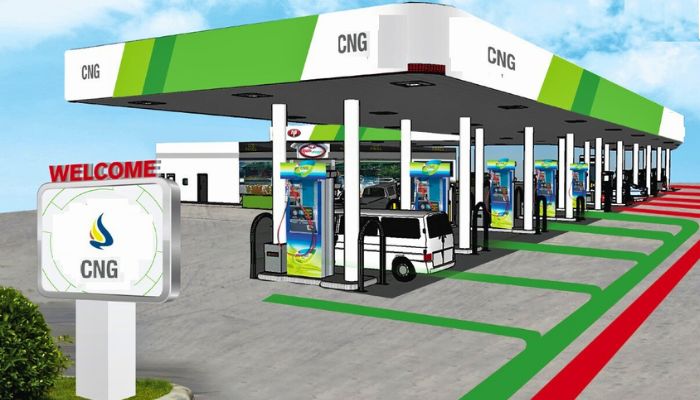
Nigeria is accelerating its shift from costly, polluting fuels to clean, homegrown energy as the Federal Government positions Compressed Natural Gas (CNG) at the heart of the nation’s sustainable transport future. The move, officials say, is not just about greener vehicles—it is a strategic leap toward economic transformation and energy independence.
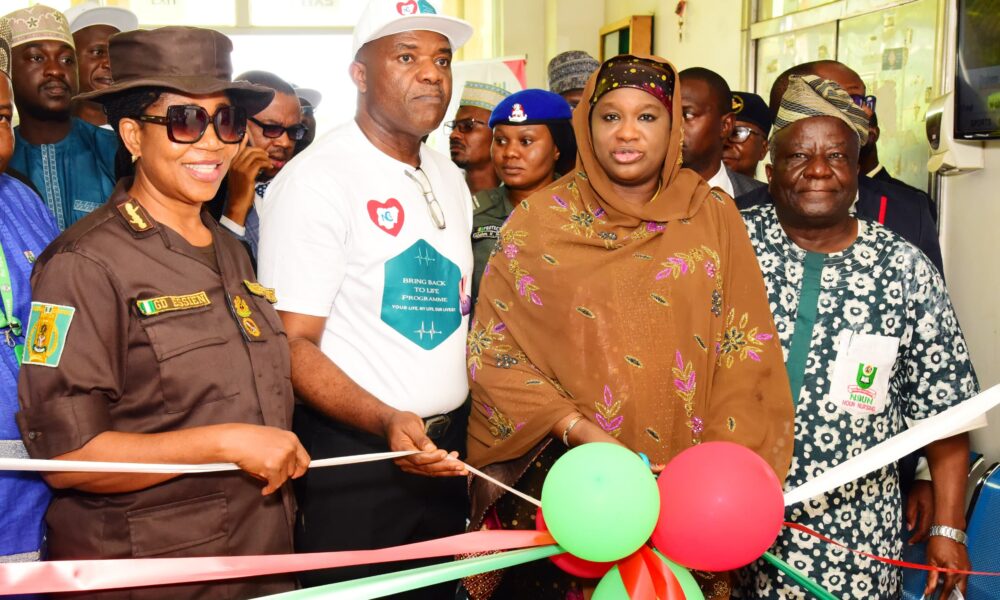
Speaking at the 2nd Annual Compressed Natural Gas (CNG) Conference and World Sustainable Transport Day at the National Open University of Nigeria, FCT Minister of State, Dr. Mariya Mahmoud, described the transition as a “national imperative” under President Bola Ahmed Tinubu’s leadership. She said the shift is a cornerstone of the government’s vision to modernize Nigeria’s transport infrastructure while cutting emissions and fuel costs.
“The shift to natural gas is not merely a technical upgrade,” Mahmoud said. “It is an investment in our survival, our economy, and the environment. With the right policies and infrastructure, Nigeria can lead in sustainable transport across Africa.”
Highlighting Abuja as a pilot for this transformative agenda, Mahmoud said the FCT Administration is revamping the capital’s transport system to be more efficient, reliable, and environmentally friendly. She stressed the expansion of refueling stations, incentives for alternative fuel adoption, and discouragement of high-emission vehicles as key pillars of the program.
Represented by her Special Assistant on Technical Matters, Tpl. Michael Bawa, Mahmoud called on private sector players, financiers, and transport operators to rally behind the initiative, emphasizing that Nigeria’s future depends on collective and decisive action.
Hajiya Maryam Salihu Ibrahim, MD/CEO of Automotive Gas Nigeria Services (Autogas Nigeria), said Nigeria is at a pivotal moment in its energy transition. She explained that the Presidential Compressed Natural Gas Initiative (PCNGI) is a deliberate economic strategy to reduce fuel costs, boost energy security, and drive inclusive economic growth.
Ibrahim applauded President Tinubu’s leadership, noting that the initiative is central to the government’s Renewed Hope Agenda and a potential game-changer for Nigeria’s economy and environment.
With CNG adoption now gaining momentum, experts say Nigeria is positioning itself not only as a cleaner, greener nation but also as a hub for energy-driven economic growth—demonstrating that sustainable transport and economic development can go hand in hand.
Nigeria Accelerates Clean Energy Revolution with CNG Transport Drive