By Friday Idachaba, Lokoja.
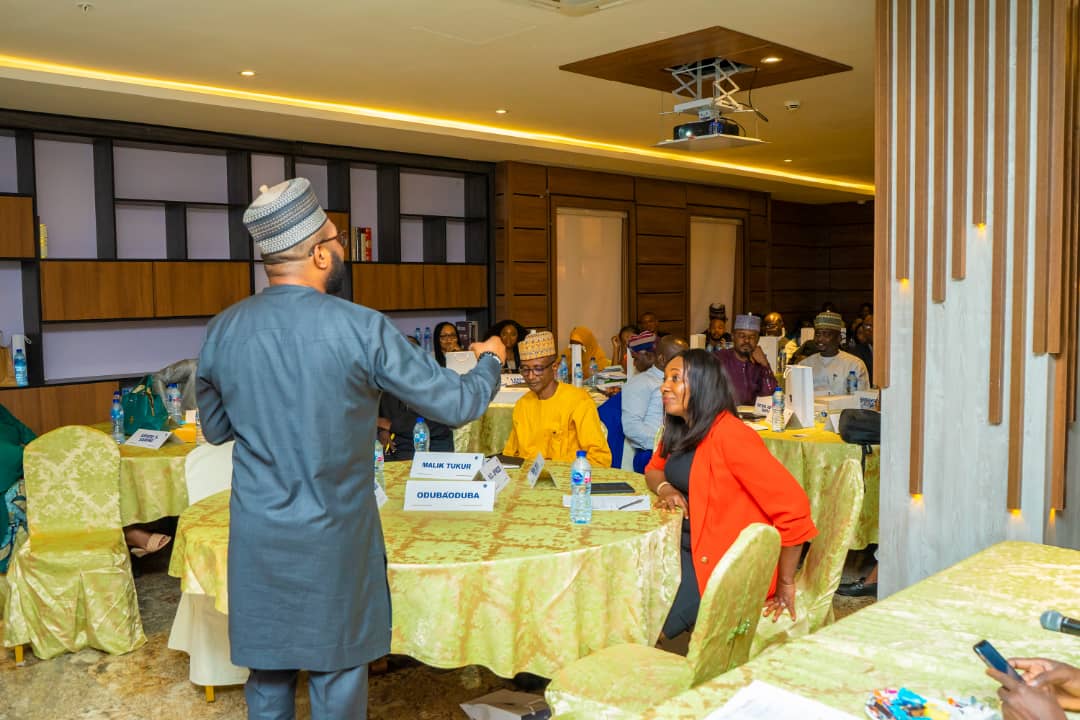
Kogi State Internal Revenue Services (KGIRS) has taken its awareness and sensitization drive to the State House of Assembly with a view to domesticating the Nigeria Tax Act and Nigeria Tax Administration Act, for ease of implementation in the state.
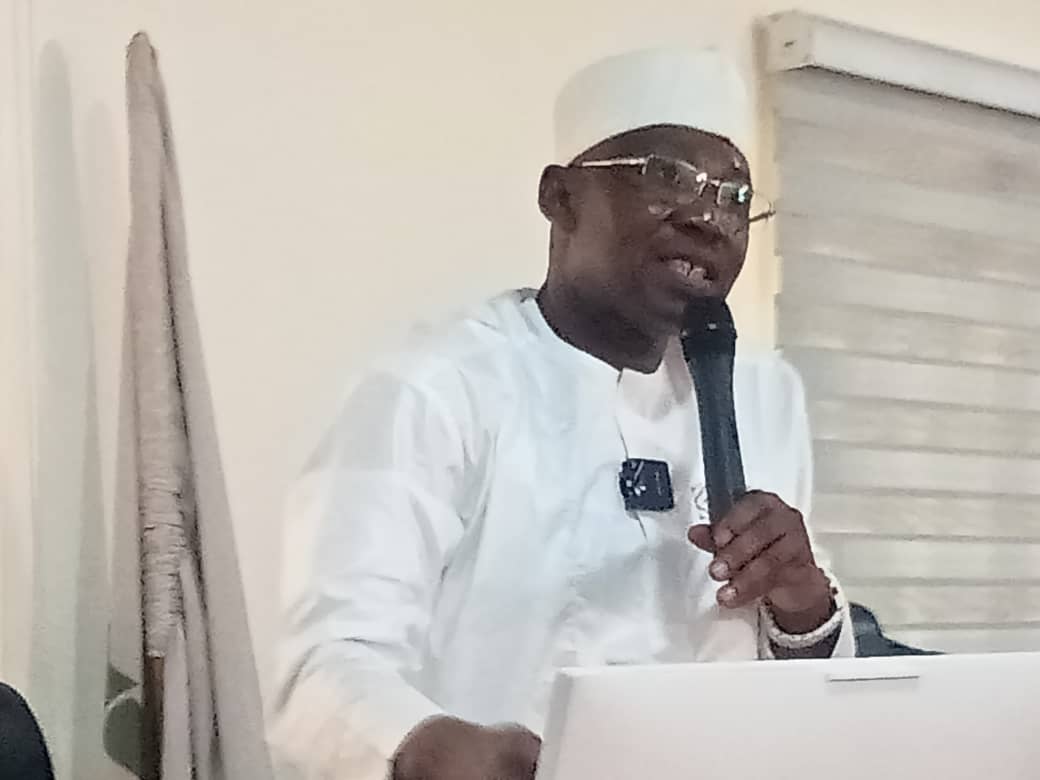
Alhaji (Dr) Salihu Enehe, Executive Chairman of the Service who led his team to the Assembly Complex in Lokoja said the awareness meeting with the Assembly has become imperative.
He described the Nigeria Tax Act as a compressed compendium of various tax laws hitherto operating in the country into a single document with a view to addressing issues of multiple taxation and promotion of transparency in tax administration in the country.
Enehe commended President Bola Ahmed Tinubu for taking the bold step on embarking on the tax reforms to enable harmony in the tax ecosystem.
He said that implementation of the new tax laws, scheduled to take effect from January, 2026, would enhance transparency in administration and transactions, investments and proffer measures against tax evasions.
“On 26th of June this year, the President of the Republic of Nigeria signed four laws, and these four laws have caused disruptions going forward into the future, in terms of tax and Administration”, he said.
“With these disruptions come a great opportunity and great threat. A great opportunity for those who are ready and prepared to abide and adhere to the laws but a great threat for those want to remain in the past and resistant to change.”
The four laws, he said, include the Nigeria Tax Act, the Nigeria Tax Administration Act, the Joint Revenue Board Establishment Act, and the Nigeria Revenue Service Establishment Act.
The Executive Chairman noted that implementation of the Nigeria Tax Act and the Nigeria Tax Administration Act operational at states level would be fair to low income earners, reduction for middle level and tough on high income earners.
He pointed out that under the new tax laws, operation from January, 2026, people earning gross annual income of less than N1.3 million would be exempted from tax while middle level earners of between N1.3 million and N3 million would have their taxes reduced.
Higher gross annual income above N3 million, he explained, would attract higher taxes meaning that “Big men” and business organisations would pay more.
Also speaking, Consultant with the KGIRS, Barr Henry Ojuola who is also a former member of the Assembly, urged the House not bother with making new laws on the matter even though the Acts provides that they could enact or implement.
Ojuola advised the Assembly and the Service to rely on the Acts in their implementation saying Chapter 5 of the Tax Administration Act has specified many offences as well as punishments for the Tax Tribunal to handle.
“Ensure your Tax Tribunal is effective by ensuring that “Unpurchaseable persons” are members. Ensure that the people you send to collect taxes are not dishonest Nigerians’, Legal Practitioner advised.
In his closing remarks, Chairman of the House standing Committee on Finance, Hon. Akus Lawal appreciate the KGIRS Chairman and his team for initiating the engagement.
The Lawmaker expressed optimism that in no time Kogi would be rated as the number three state among the 19 Northern states After Kano, Kaduna, Kogi State and number one in North-Central in terms of Internally Generated Revenue drive.
Hon. Lawal, representing Ankpa I Constituency, said the legislators were now better informed on the issue of revenue and tax administration in Nigeria and are looking forward to receiving the two tax laws to “do the needful”. (Ends)