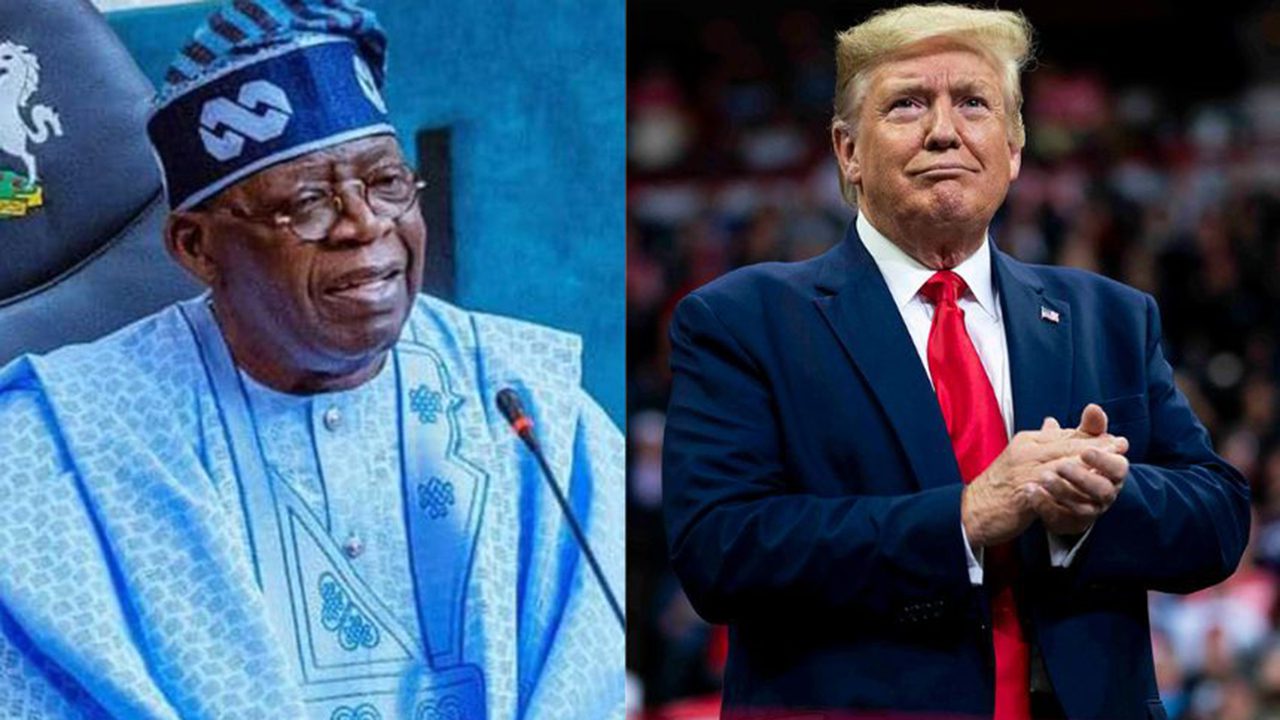
Nigeria has moved swiftly to counter former U.S. President Donald Trump’s declaration naming it a “Country of Particular Concern” over alleged killings of Christians, insisting that the claim distorts the nation’s complex security realities.
In a statement on Saturday, the Ministry of Foreign Affairs, through its spokesperson, Kimiebi Ebienfa, said the remarks “do not reflect Nigeria’s lived reality” and risk oversimplifying the nation’s multifaceted challenges.
Trump had on Friday accused Nigeria of witnessing a “mass slaughter” of Christians, saying the country posed an existential threat to Christianity. “Thousands of Christians are being killed. Radical Islamists are responsible for this mass slaughter,” he said, adding that he was designating Nigeria for special attention.
But the Nigerian government described such assertions as “unfortunate generalizations,” noting that while violent attacks occur, they stem largely from terrorism, banditry, and communal tensions, not state-sanctioned religious persecution.
“Nigeria’s security challenges are rooted in broader regional dynamics and socio-economic factors, not in religious intolerance,” the statement said. “Under President Bola Tinubu, the country continues to promote interfaith dialogue, national unity, and the protection of all citizens regardless of faith.”
Diplomatic observers say Abuja’s response reflects a broader effort to protect Nigeria’s international reputation and prevent the U.S. designation from influencing policy or aid decisions.
Despite rejecting Trump’s remarks, Nigeria reaffirmed its commitment to maintaining strong ties with Washington. The Ministry emphasized that the two nations continue to cooperate on counterterrorism, governance, and development initiatives.
“Nigeria will continue engaging constructively with the U.S. to deepen mutual understanding and strengthen shared security interests,” the statement added.
The controversy has, however, reignited debate over how religious violence is framed in Nigeria. While groups such as the Human Rights Writers Association of Nigeria (HURIWA) backed Trump’s comments and accused the government of denial, others have warned against politicizing insecurity.
Meanwhile, current U.S. Secretary of State Marco Rubio echoed Trump’s concern, vowing that Washington “would leave no stone unturned” in addressing the “rising tide of Christian killings” in Nigeria — remarks analysts see as a signal of renewed U.S. scrutiny under the Trump-led administration.
For Nigeria, the task now is twofold: confronting persistent insecurity while managing the diplomatic fallout of an accusation that touches the core of its national image — a nation defined by its diversity, faith, and resilience.
Nigeria Pushes Back, Seeks Diplomatic Clarity After Trump’s ‘Country of Concern’ Label