By Fatima Ndagi, Abuja
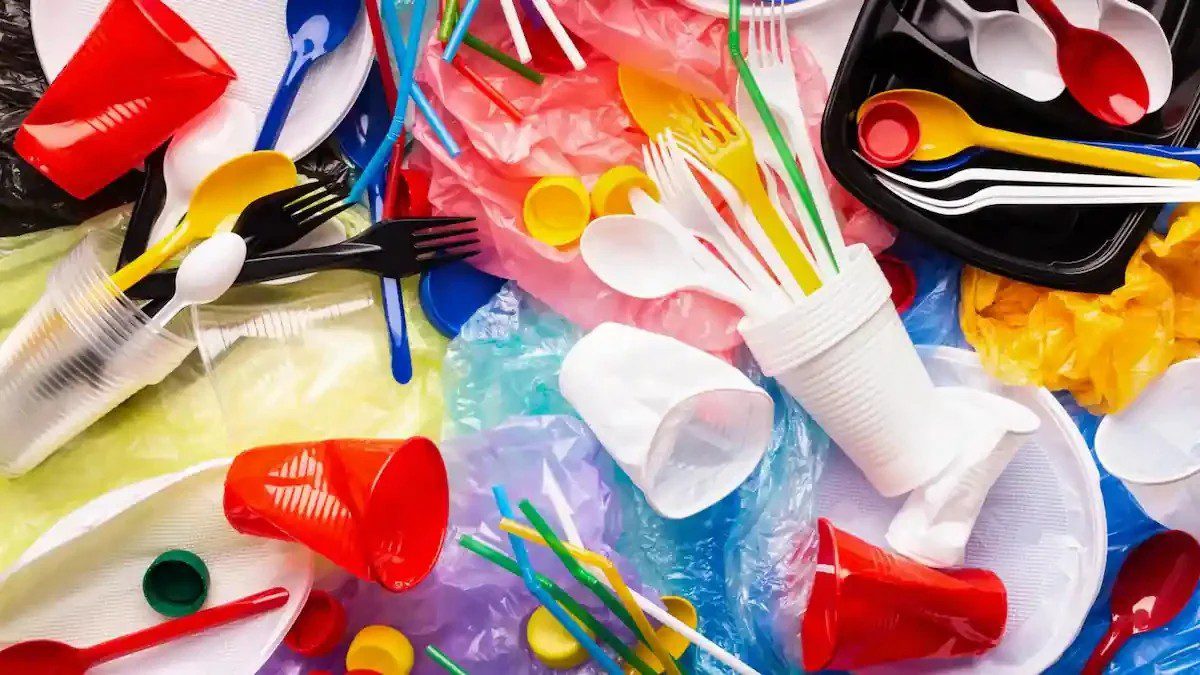
The House of Representatives Ad-hoc Committee on Preparedness for the Ban on Single-Use Plastics in Nigeria has proposed the introduction of a green tax on industries involved in the production of polypropylene, one of the most widely used materials in plastic manufacturing.
The move, according to the committee, seeks to curb Nigeria’s worsening plastic waste crisis and ensure that industries take responsibility for the environmental costs of their production.
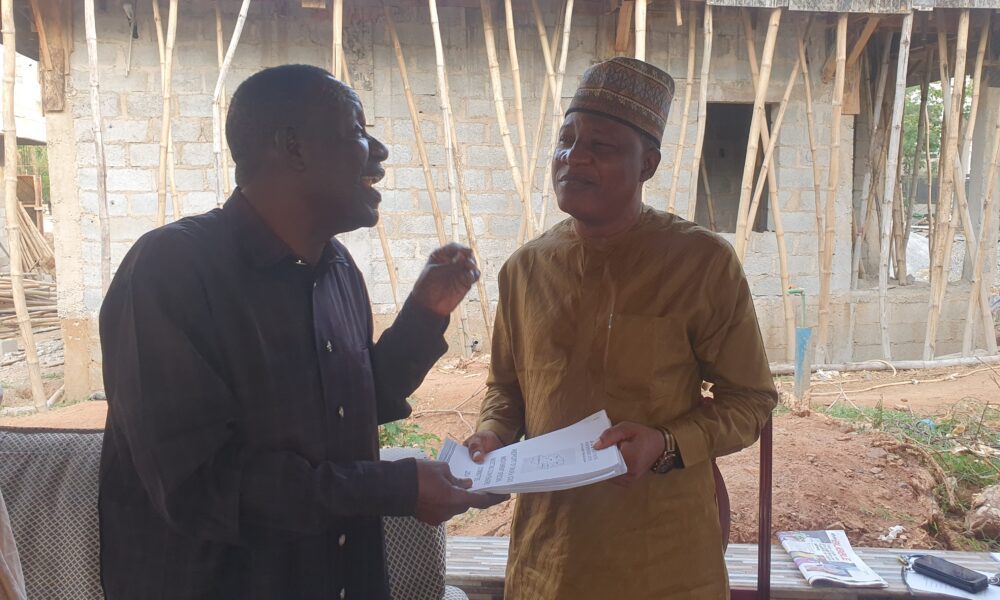
Speaking at the committee’s inaugural meeting in Abuja, the Chairman, Hon. Terseer Ugbor (APC, Benue), said the House would also consider legislation to regulate polypropylene production and promote recycling as part of a broader national strategy to combat pollution and protect public health.
Ugbor described plastic pollution as a growing menace, noting that the unchecked proliferation of polypropylene-based products has placed immense strain on the country’s waste management systems.
“Polypropylene’s environmental impact is substantial and disturbing. During production, it releases toxic chemicals like formaldehyde and benzene, putting workers and nearby communities at risk,” Ugbor said. “It contributes to carbon emissions, relies on fossil fuels, and takes up to 500 years to degrade, polluting our oceans and endangering marine life.”
He added that the committee would work with the Federal Ministry of Environment and the National Environmental Standards and Regulations Enforcement Agency (NESREA) to develop a policy framework for the proposed green tax and integrate polypropylene recycling into the national waste management strategy.
“Nigeria cannot afford to continue on this path of environmental neglect,” Ugbor said. “Our industries must take responsibility for the ecological footprints they leave behind. This committee will ensure that sustainable, environmentally responsible solutions are not just recommended but implemented.”
Nigeria ranks among the top 20 countries globally contributing to marine plastic pollution. Studies by the World Bank and the United Nations Environment Programme (UNEP) estimate that the country generates over 2.5 million tonnes of plastic waste annually, with less than 10 percent being recycled.
Major urban centres such as Lagos, Abuja, and Port Harcourt are the worst affected, where blocked drainage systems and plastic-choked waterways contribute to recurring floods and water contamination. Environmental experts warn that the improper disposal of polypropylene and other plastic waste contaminates soil and groundwater, while open burning releases harmful emissions that worsen air quality and public health.
Currently, only a handful of private firms operate large-scale recycling plants, while the absence of a coherent national policy continues to hamper effective waste management.
The House committee’s new proposal is expected to stimulate investment in recycling, strengthen environmental enforcement, and align Nigeria’s waste management policies with global climate and sustainability goals.
Ugbor said the committee would hold public hearings with manufacturers, recyclers, and environmental experts to ensure that any proposed levy or regulation is fair and effective.
“This is not about taxation,” he emphasized. “It is about responsibility, sustainability, and protecting the future of our environment and our people.”