***Unveils model state electoral law
***warns parties against double candidacy
By Friday Idachaba, Lokoja
The Kogi State Independent Electoral Commission (KOSIEC) has unveiled a new draft of the State Independent Electoral Law, setting the stage for a legal framework that will guide the conduct of the 2026 local government elections in the state.

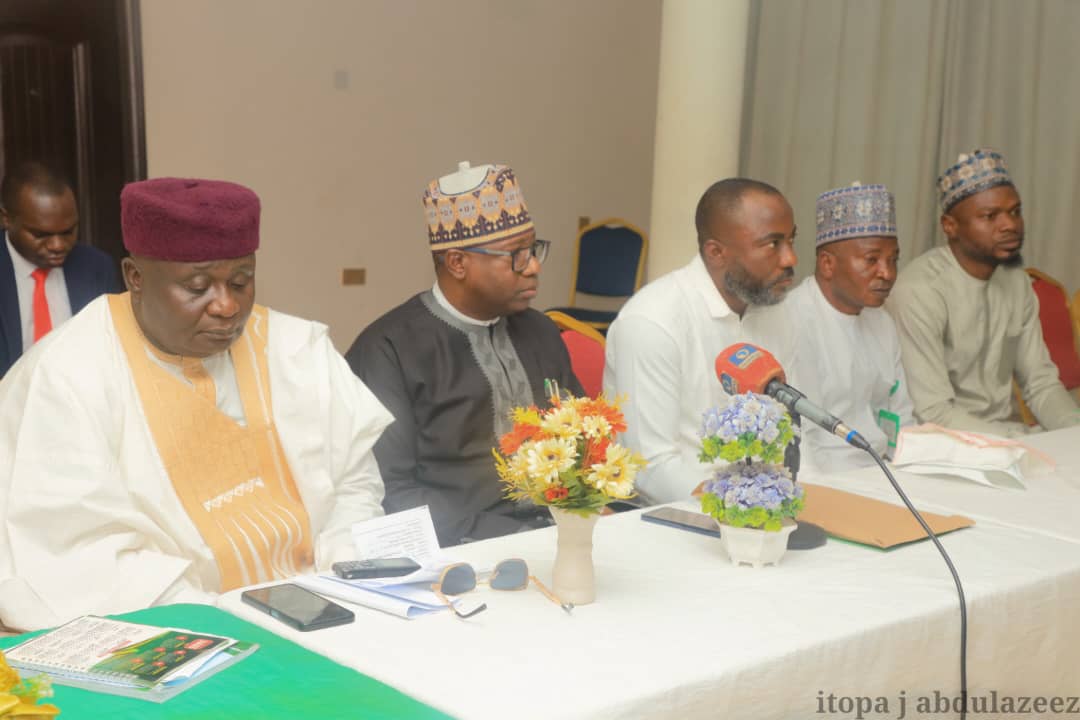
Chairman of the Commission, Mr. Mamman Eri, presented the reviewed law to election stakeholders at a weekend meeting in Lokoja, saying the move was aimed at aligning the state’s electoral process with the provisions of the National Electoral Act, 2022.
Eri explained that the Commission was guided by the national framework governing Area Council elections in the Federal Capital Territory (FCT), stressing that any election conducted outside the provisions of the Electoral Act would be invalid.
“Kogi State is the first in the federation to review its electoral law in full conformity with the Federal Electoral Act, 2022. This positions our law as a model for other states to emulate,” Eri said.
“We must work within the electoral timeline to avoid unnecessary litigations and time loss. Our mandate remains clear — to deliver free, fair, and credible council elections.”
The KOSIEC boss cautioned political parties against presenting multiple candidates for the same position, a problem that marred previous local government elections in the state.
“Parties with controversial or duplicated candidates risk being excluded from the 2026 council polls,” he warned, urging all political actors to adhere strictly to timelines for nomination and substitution of candidates.
Eri called for the support of all stakeholders — including political parties, civil society groups, and the media — to help strengthen public confidence in the electoral process.
Responding to concerns from Civil Society Organizations (CSOs) about election funding, Eri urged them to lead advocacy efforts for the timely release of funds to the Commission, as stipulated in the new law.
“We encourage civil society in the state to champion calls for prompt funding of the State Electoral Commission, in line with the law,” he said.
Stakeholders at the meeting made several recommendations, including the extension of the tenure of local government chairmen, inclusion of persons with disabilities, and stronger guarantees for the independence of the electoral body.
A legal practitioner, Barr. Bamidele Suru, who reviewed the new framework, highlighted its key provisions and warned electoral officials to guard against political interference.
“Officials must detach themselves from undue political influence, both within and outside government, to safeguard the integrity of the Commission,” Suru cautioned.
He revealed that under the revised law, KOSIEC is now empowered to employ and train its own staff, and will receive 1% of state revenue as well as 10% of total revenue accruing to local governments.
This, he said, ensures improved funding, particularly in the three months leading up to the elections.
Suru also noted that the National Assembly is currently reviewing the national Electoral Act, with possible amendments expected before the 2027 general elections.