By Ahmed Rufa’i, Dutse
The Women Advocates Research and Documentation Centre (WARDC) has raised alarm over the growing crisis of period poverty in Nigeria, revealing that one in four schoolgirls lacks access to menstrual hygiene products — a condition leading to frequent absenteeism, health complications, and loss of dignity.
This was contained in a statement signed by the organisation’s Executive Director, Dr. Abiola Akiyode-Afolabi, and made available to National Update as part of activities marking the 2025 International Day of the Girl Child.
The statement, titled “Breaking the Silence: Empowering Girls Through Dignity, Health and Justice,” aligned with the year’s national theme: “The Girl I Am, The Change I Lead — Girls on the Front Lines of Crisis.”
Dr. Akiyode-Afolabi lamented that despite modest gains in education and healthcare, millions of Nigerian girls continue to face barriers to safe menstrual hygiene due to poverty, poor sanitation, and social stigma.
“Reports show that one in ten girls in Africa misses school during their periods, while up to 25 percent of Nigerian schoolgirls have no access to safe menstrual hygiene products,” she said.
“The situation is even worse in rural areas where water, sanitation facilities, and awareness are severely lacking.”
She warned that period poverty not only affects school attendance but also exposes girls to reproductive infections, psychological trauma, early marriage, and lifelong gender inequality.
“We must break the culture of silence and shame surrounding menstruation. No girl should be left behind because of a natural biological process,” she added.
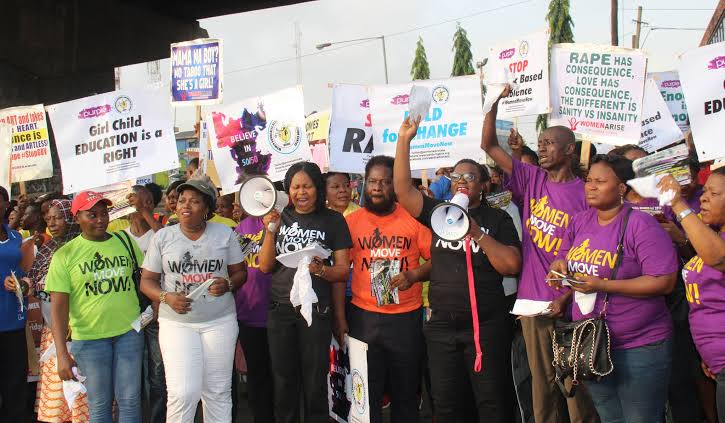
Dr. Akiyode-Afolabi reaffirmed WARDC’s commitment to advancing girls’ rights, gender equality, and access to education and healthcare through advocacy, research, and community engagement.
She urged the Federal and State Governments to adopt a National Menstrual Health Policy, improve school protocols against sexual violence, increase budgetary allocations for girls’ health and hygiene, and promote male involvement in menstrual education.
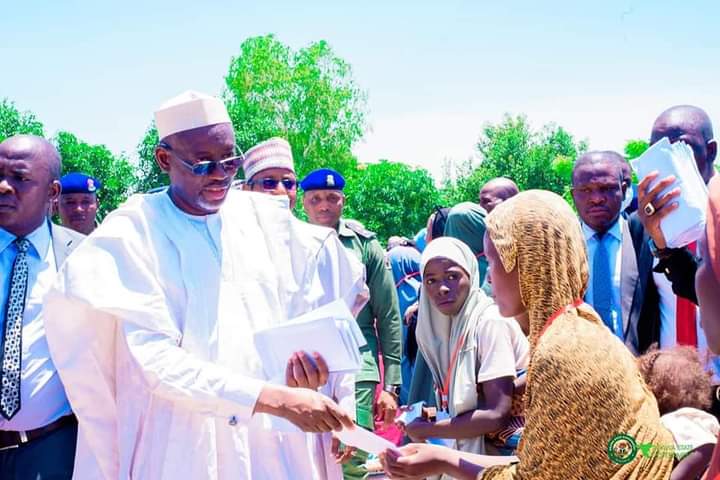
WARDC also commended Bauchi State for establishing the country’s first Menstrual Bank, which provides free sanitary pads to schoolgirls and women in underserved communities.
“This bold initiative shows a deep understanding of the link between menstrual health, education, and empowerment,” she said, calling on other states to replicate the model.
Dr. Akiyode-Afolabi concluded that when girls are empowered, entire communities thrive.
“Girls are not victims of crisis — they are leaders, innovators, and change-makers. But to lead, they must be equipped with dignity, education, safety, and health.”