Nigeria has called on the international community to move beyond rhetoric and take urgent steps to halt the production of fissile material — the core ingredient for nuclear weapons — warning that the world cannot afford another nuclear arms race.
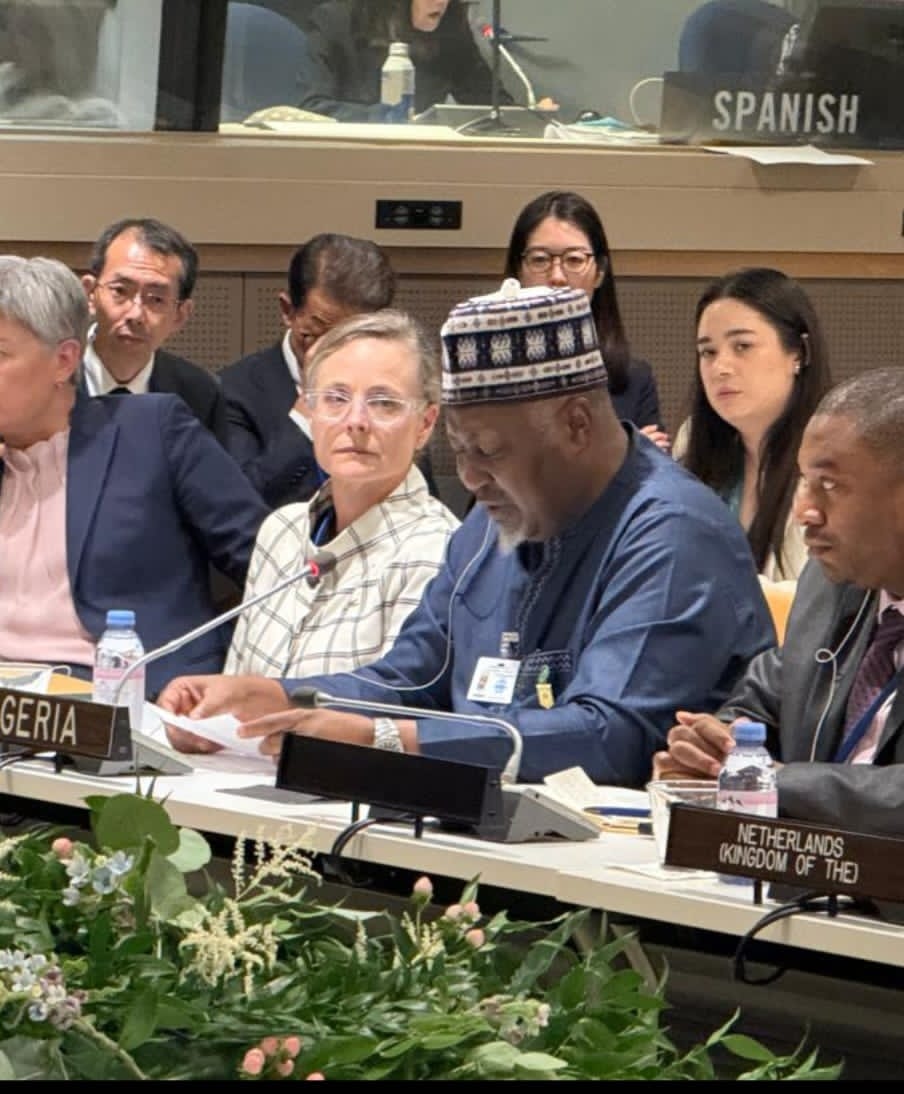
Speaking at the first Ministerial Meeting of the Friends of a Fissile Material Cut-off Treaty (FMCT), held on the sidelines of the 80th United Nations General Assembly in New York, Minister of Defence, H.E. Mohammed Abubakar Badaru, described the FMCT as “both a legal necessity and a moral duty.”
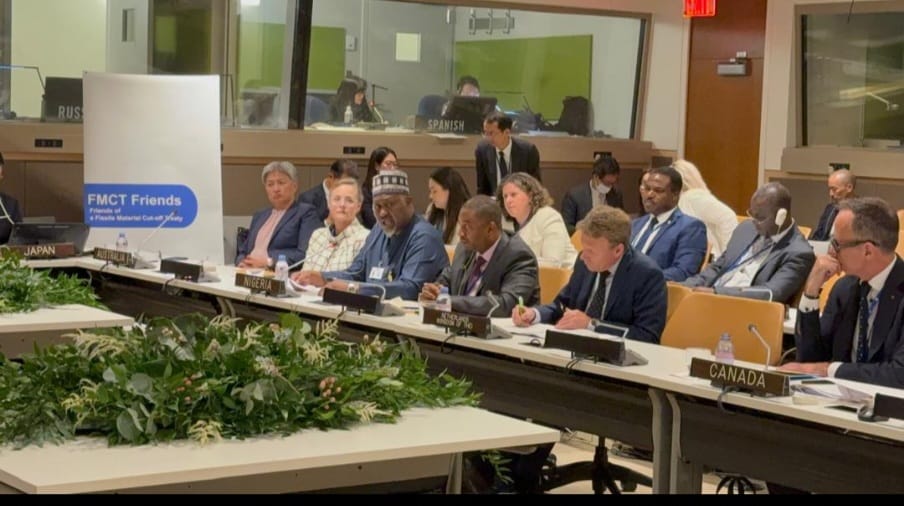
“Closing the fissile material gap is the most realistic way to stop an uncontrolled arms race,” he said. “The FMCT will rebuild trust, strengthen the Non-Proliferation Treaty and give momentum back to disarmament.”
The Minister reminded delegates that 2025 marks 80 years since the atomic bombings of Hiroshima and Nagasaki, stressing that their memory “compels the world to act with courage, because the survival of humanity demands it.”

Nigeria also pointed to Africa’s leadership on nuclear restraint through the Treaty of Pelindaba, which created a nuclear-weapon-free zone across the continent. “Africa has shown that restraint is possible. Nigeria now calls for that same spirit to guide global action,” Badaru said.
To quicken the pace toward a global treaty, he proposed three urgent steps: a worldwide moratorium on the production of fissile material for nuclear weapons, the dismantling or conversion of existing facilities to peaceful purposes, and the use of such interim measures to build momentum toward a universal, verifiable, and non-discriminatory FMCT.
Badaru linked Nigeria’s stance to President Bola Tinubu’s Renewed Hope Agenda, arguing that disarmament is not just about security but also about human development. “Every step we take to reduce nuclear risks frees resources for health, education, and economic growth,” he said.
Observers at the UN note that Nigeria’s statement signals a shift from passive participation to active leadership in the global disarmament debate — positioning the country as a bridge-builder between Africa’s regional achievements and the search for a global framework to prevent a new nuclear crisis.