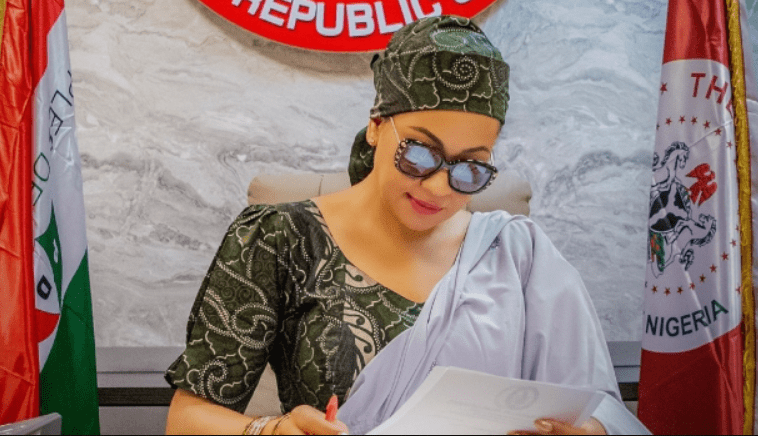
In a bold act of defiance, Senator Natasha Akpoti-Uduaghan on Monday stormed the National Assembly to reclaim her sealed office—six months after her controversial suspension—condemning what she described as “fraudulent and dictatorial” practices within the Senate and vowing never to apologize for what she called a grave injustice.
The Kogi Central lawmaker’s dramatic return, which came amid heavy security and reports of tear gas fired at her supporters near the Senate gate, has intensified scrutiny of Senate President Godswill Akpabio’s leadership and reignited debate about legislative independence in Nigeria’s Fourth Republic.
Her suspension earlier this year provoked outrage from women’s groups, civil society coalitions, opposition parties, and international observers, who labeled it politically motivated and damaging to Nigeria’s democratic image. Facing mounting pressure, Senate leaders convened an emergency meeting late Monday, resolved to unseal her office, and—according to analysts—postponed Tuesday’s planned resumption to October 7 to avoid a direct showdown.
“You can’t apologize for an injustice,” Akpoti-Uduaghan told reporters from her reopened office. “The document that led to my illegal suspension—drafted by the Senate President’s office and endorsed with forged signatures—was an affront to our democracy. If they expect an apology, they will wait forever.”
She revealed she had yet to receive formal communication rescinding her suspension, citing a previous letter from the Clerk of the National Assembly warning her not to resume due to a pending appeal. She dismissed media reports that Senate Minority Leader Abba Moro might demand an apology as a condition for full reinstatement:
“This is one illegality upon another,” she charged. “It is appalling that such fraud could pass unchecked in the National Assembly. Nigerians must reject this level of impunity.”
Akpoti-Uduaghan described months of intimidation: road and waterway blockades that forced her to travel by helicopter into Kogi, orchestrated online smear campaigns, and what she called open humiliation by Akpabio.
“Akpabio treated me as though I were his domestic staff,” she said. “After so many years of democracy, it is unacceptable for the National Assembly to be run like a dictatorship. No one is more Nigerian than another.”
Despite her suspension, she said she continued lobbying for projects and opportunities for her constituency to prevent a “vacuum created by injustice.”
The senator credited her comeback to widespread solidarity—from activists Oby Ezekwesili and Aisha Yesufu to human rights lawyer Femi Falana, political leaders like Atiku Abubakar and Bukola Saraki, and parties including the Labour Party, African Democratic Congress, and her Peoples Democratic Party. She also thanked the Nigerian Bar Association, Nigeria Labour Congress, and sections of the media:
“Some journalists stayed silent out of fear, and I don’t blame them. We live in a country where lives can mean very little. But the pressure from Nigerians forced the leadership to reverse course.”
Sergeant-at-Arms Adedeji Alabi, who supervised the unsealing on Tuesday, confirmed he acted under direct orders:
“I am the Chief Security Officer of the Senate. Any instruction comes through me and is conveyed to the directors and officers. I acted on directives from Senate leadership,” he said, adding that the same protocol applied when her office was first sealed.
The Clerk to the National Assembly, Kamoru Ogunlana, Esq., in a separate statement, announced the postponement of plenary resumption to October 7, clarifying that committee activities would proceed as planned.
Political analysts warn the clash could reshape Senate power dynamics and embolden calls for internal reform ahead of the 2027 elections. For now, Akpoti-Uduaghan’s defiance has signaled a turbulent new chapter for Nigeria’s legislature.
“Our democracy is evolving,” she said. “Heading into 2027, we must protect our institutions and save our country. The future is bright—we cannot give up.”
Natasha Akpoti-Uduaghan Reclaims Senate Office, Declares She Will Not Apologize for ‘Injustice’