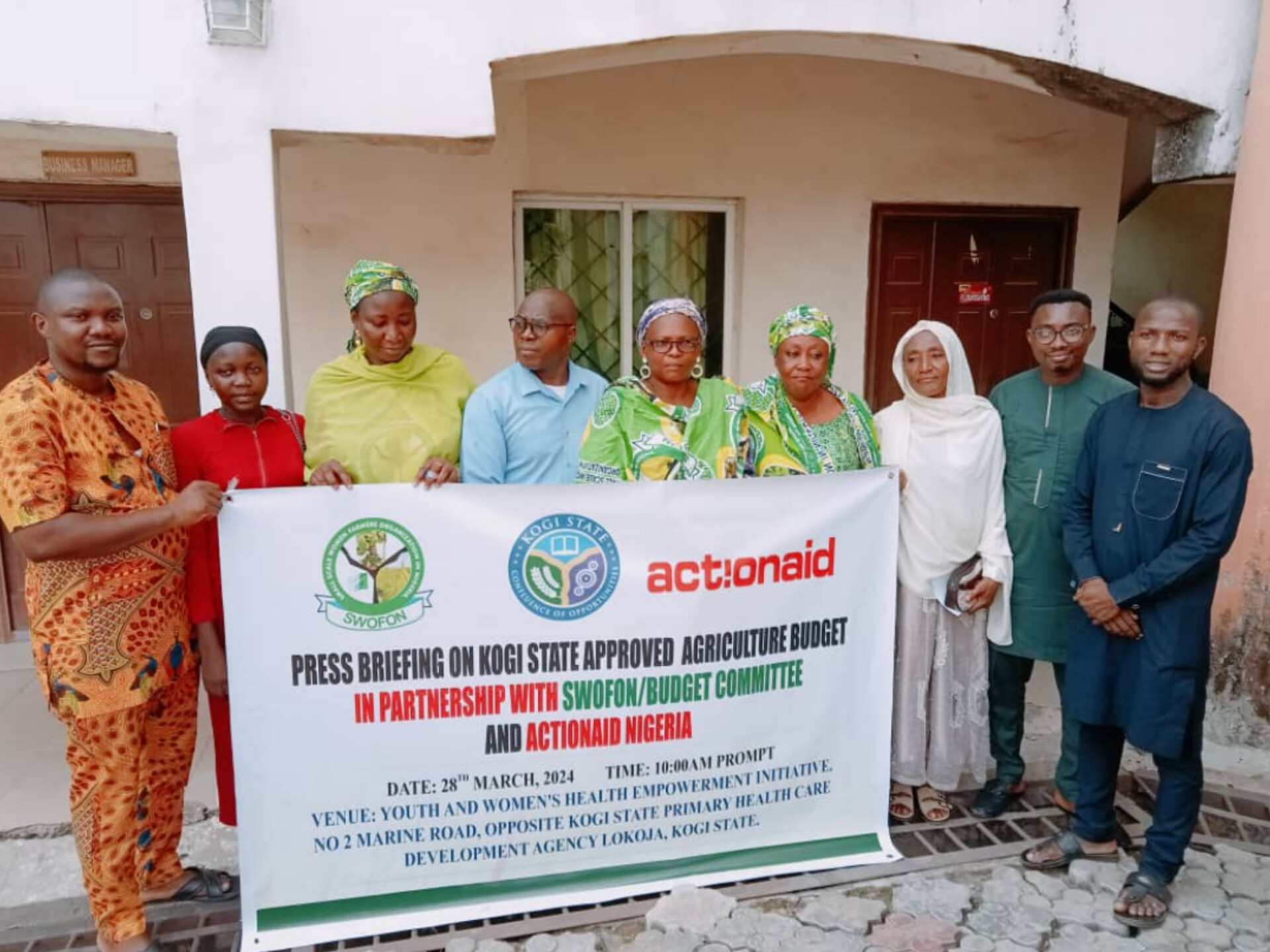
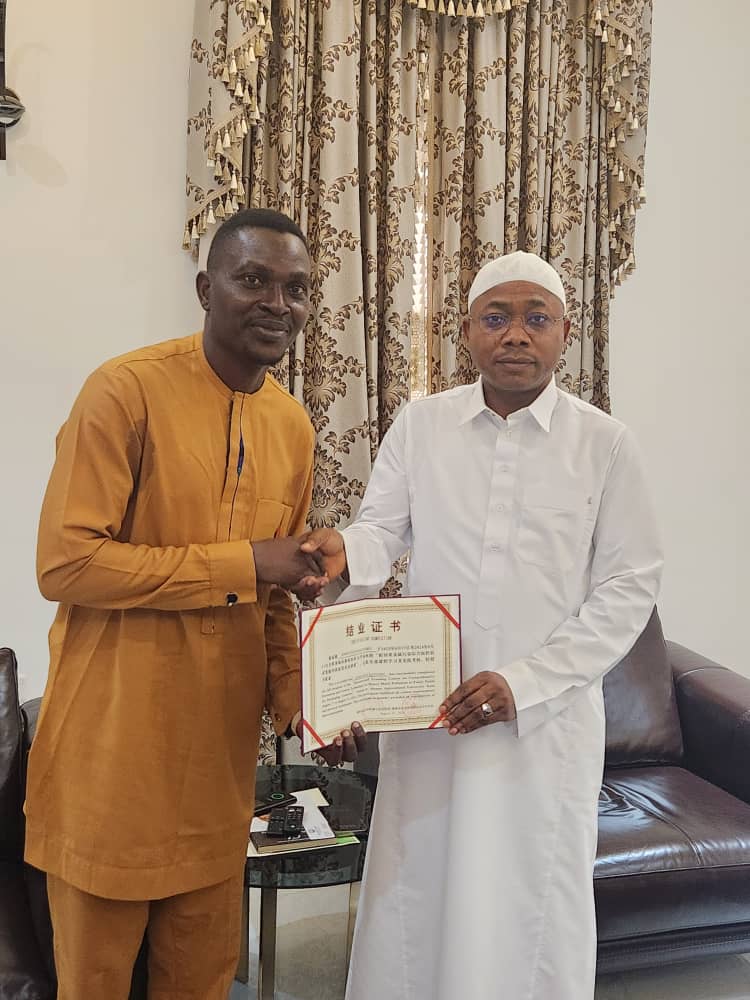
Kogi State’s partnership with China’s Hunan Province has officially moved from paper to action, beginning with a high-impact agricultural training programme that officials say will transform the state’s farming and food safety standards.
Governor Ahmed Usman Ododo, receiving the first group of returning participants in Lokoja, said the three-week programme in Changsha City represents the first dividends of the Kogi–Hunan pact, which spans agriculture, mining, and industrial development.
Special Adviser on Media to the Governor, Ismaila Isah in a statement indicated that the training, hosted at Hunan Agricultural University, focused on Heavy Metal Control and Prevention in Paddy Fields—a growing concern for rice cultivation in Kogi.
Ododo said it answered a request he made during his earlier visit to Hunan Province under the China–Africa Economic and Trade Promotion (CAETP) framework.
“This programme has armed our lecturers with cutting-edge solutions to protect our rice farms from contamination,” Ododo said. “It’s the first of many exchanges that will power Kogi’s drive toward modern agriculture and sustainable growth.”

Ododo pledged to deepen collaboration with Hunan to unlock Kogi’s agricultural and mineral wealth, attract agritech investment, and strengthen the state’s food security systems.
Two of the participants—Dr. Ajayi Joshua and Mr. Sadiq Fatihu from Confluence University of Science and Technology (CUSTECH)—described the training as “eye-opening.”
Joshua said the exposure broadened their understanding of sustainable farming practices and opened fresh opportunities for cross-border research. Fatihu added that the insights would “shape policies, drive innovation, and safeguard public health” in Kogi.
The Kogi–Hunan exchange, anchored on a Sister-City agreement, is expected to pave the way for more training, joint research, and investment opportunities that could turn Kogi into a regional leader in sustainable agriculture.