By Umar Muhammed, Lafia
The Federal Ministry of Agriculture and Food Security (FMAFS) has teamed up with ActionAid Nigeria, AGRA, GIZ, and Care International to put women, youths, and persons with disabilities at the heart of Nigeria’s agricultural transformation for 2025–2030.
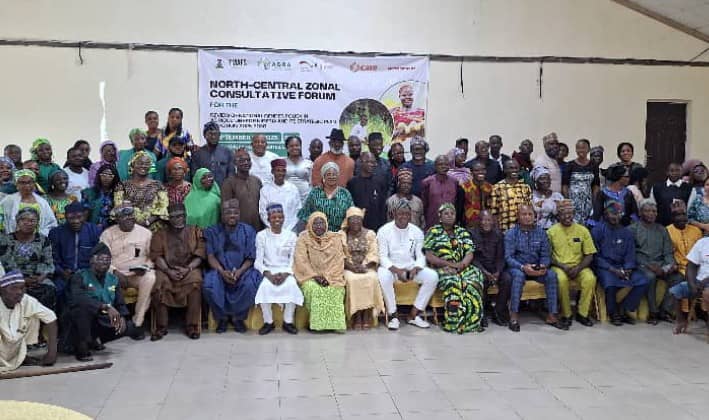
At a high-level North-Central consultative forum in Lafia, FMAFS Director of Special Duties, Kachalla Damaturu, said the updated National Gender Policy in Agriculture and Strategic Plan of Action will ensure that grassroots voices directly shape the nation’s agricultural priorities.

“This process isn’t just paperwork—it’s about embedding inclusivity, fairness, and opportunity into the core of Nigeria’s food system,” Damaturu declared, praising President Bola Tinubu’s commitment to women and youth empowerment.
ActionAid’s Food and Agriculture Advisor, Blessing Akhile, called the forum “a vital moment to reimagine food security,” crediting earlier policy successes for narrowing gender gaps while warning that emerging challenges demand bold reforms.
AGRA’s Programme Officer, Esther Ibrahim, described agriculture as “Africa’s economic backbone,” stressing that dismantling barriers for smallholder farmers—most of whom are women and youths—will unlock the sector’s full potential.
The gathering brought together state agricultural officials, traditional leaders, civil society groups, and development partners, signaling a united front to build a more inclusive, resilient, and equitable agricultural system.
The revised policy, stakeholders agreed, could redefine Nigeria’s food security landscape—turning grassroots voices into the driving force behind national reform.