By Umar Muhammed, Lafia
In Nasarawa State a new era is unfolding — one that many have described as the Age of Renaissance.
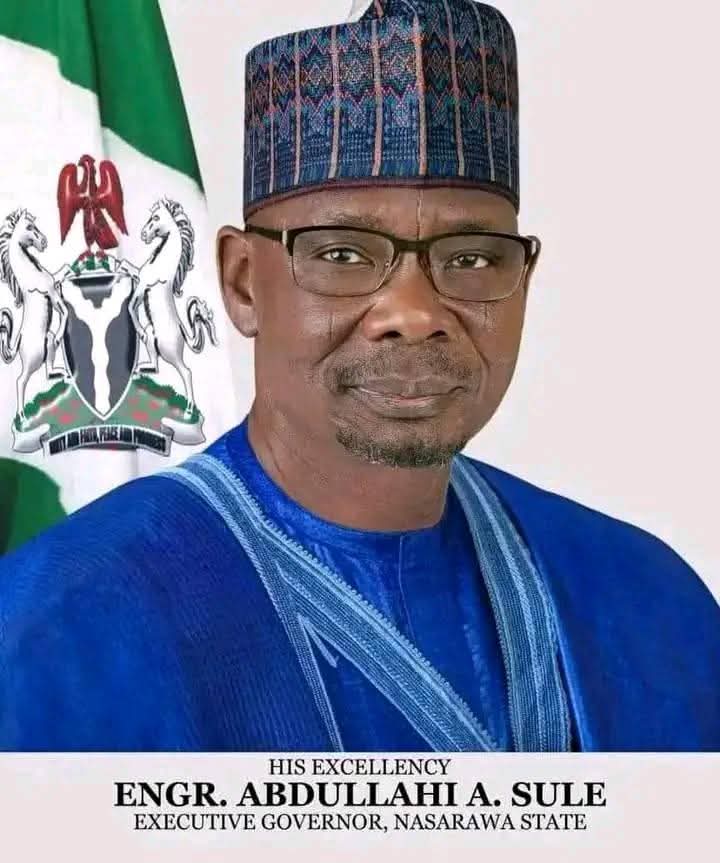
At the center of it is Governor Abdullahi Sule, whose leadership has earned him both national and international recognition as a model of good governance.
Like his predecessor, Senator Umaru Tanko Al-Makura, hailed as the architect of modern Nasarawa, Sule is being celebrated as the engineer of continuity and innovation.
His tenure has been marked by people-oriented policies, legacy projects spread across the state, and an unyielding commitment to peace and stability.
Observers point to his transparency, accountability, inclusiveness, and responsiveness as defining features of his administration. Whether in education — where he recently approved scholarships for indigent students — or in security, where his collaborative approach has kept Nasarawa among Nigeria’s most peaceful states, Sule’s handprints are evident.
Beyond infrastructure, he has shown zero tolerance for corruption, ensured minority voices are heard in policymaking, and given priority to the vulnerable. His insistence that governance must be equitable and rooted in the rule of law has further distinguished his leadership style.
For many citizens, these values have restored confidence in government and brought real succor to communities. “Governor Sule has proven that leadership can be compassionate, firm, and effective at the same time,” one resident said.
As Nasarawa continues its steady march toward greater development, Sule’s admirers are urging the people of the state — particularly in his home zone of Nasarawa North — to rally around him to sustain the gains.
To them, his leadership is not just about politics but about shaping a legacy that positions the state as a model for the rest of Nigeria.