***If judges are perceived to be procured, then everything is gone
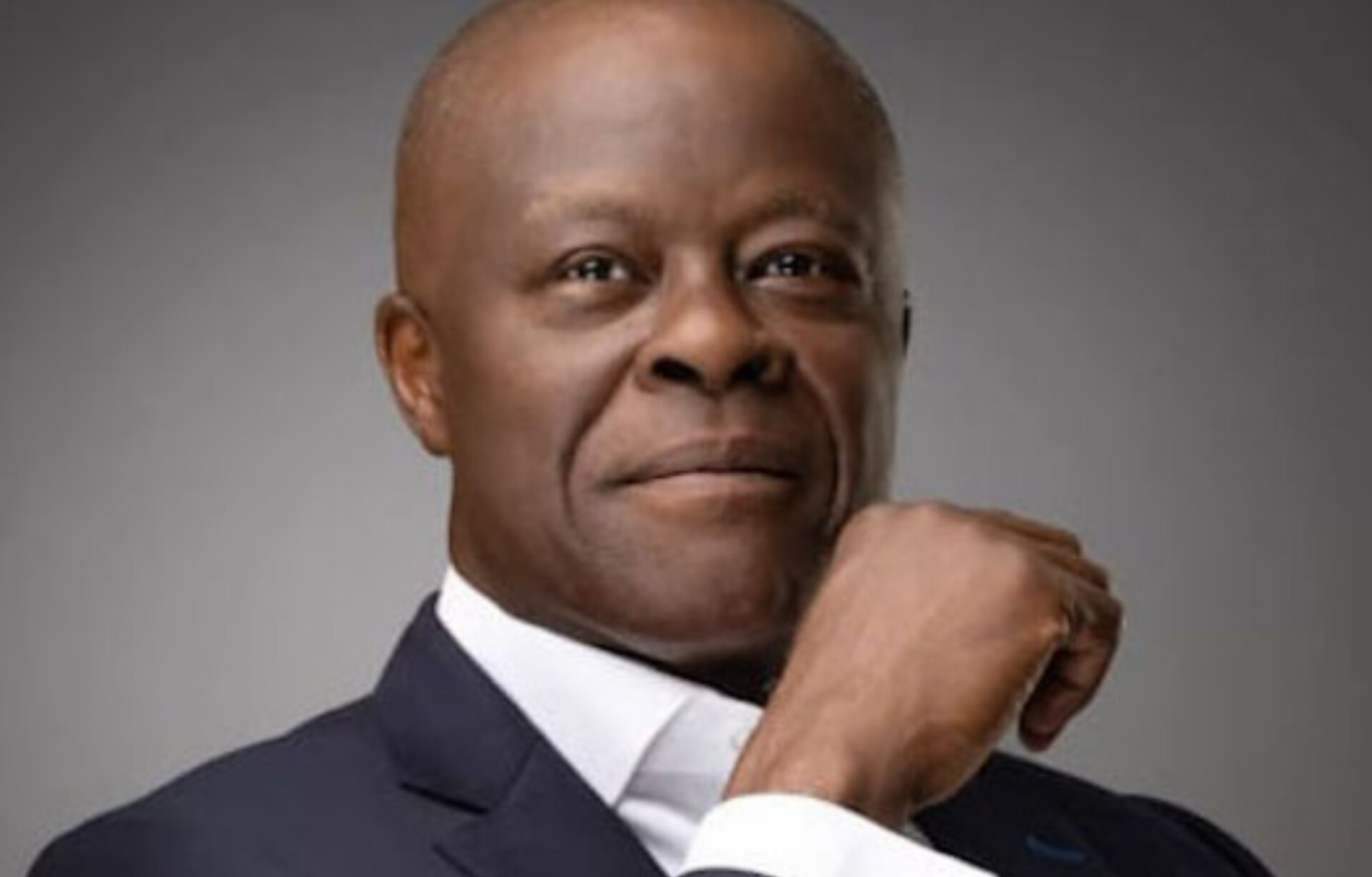
At the inaugural African Institute for Statecraft International (AISI) lecture in Abuja, themed “Reinventing Political Leadership and Democratic Governance,” Chief Segun Sowunmi delivered one of his bluntest speeches yet, declaring that Nigeria is “in deep trouble” because it has lost the essence of true leadership.
The Peoples Democratic Party (PDP) stalwart and former spokesman for the Atiku Campaign said the country’s woes are not caused by the absence of people in positions of power but by the bankruptcy of values, vision, and responsibility among those who occupy them.
According to Sowunmi, Nigeria is not short of presidents, governors, and lawmakers, but short of leaders. “Our nation is in trouble not because we don’t have people sitting in positions of authority. We are in trouble because we have lost the essence of what leadership really means,” he said.
He accused politicians of “faking development” while deceiving the public into believing that progress is being made. Even more troubling, he said, is that those widely criticized as failures are paradoxically the most prepared for leadership, while genuine mentorship and political grooming are virtually absent.
Turning to Nigeria’s democratic experiment, Sowunmi painted a grim picture of disillusionment. Despite 93 million registered voters, only about 25 million participated in the last election. “Why are people not coming out to vote? Could it be that we have messed up the process so badly that they refuse to endure it?” he asked.
He decried the violence and intimidation that plague elections. “Why should any decent person subject himself to that horrible, gory representation we call Election Day? Why do I want to be macheted because I want to vote?”
For him, the legitimacy of democracy itself is at stake if voter apathy deepens further.
Sowunmi said leadership irresponsibility has divided Nigeria into “tribal silos,” undermining the very idea of nationhood. He argued that the framers of unity policies such as Federal Character and Unity Schools understood that inclusive consensus was key to holding Nigeria together — yet today’s leaders ignore that wisdom.
He also issued a stern warning about institutional decay. “If judges are perceived to be procured or perverse, then everything is gone,” he cautioned, stressing that a judiciary without credibility would destroy the rule of law.
On policing, he criticized the federal government’s refusal to allow state and local policing. “A nation of over 200 million cannot be policed this way. Why can one in Washington police say it, and one in Wisconsin police say it, but not in Nigeria?”
Nigeria’s rapidly growing population, Sowunmi warned, is another ticking time bomb. With the current population nearing 250 million, he projected that the figure could rise to 300 million within a decade and eventually one billion.
Yet the state, he argued, has no credible plans for water, housing, or jobs for its growing youth bulge. “You don’t even have enough water to drink for your people today. Where will you find water to give a billion people?” he asked.
The migration crisis, he said, is already evident as Ghana, Canada, and other countries begin to push back against Nigerians moving abroad.
Perhaps the most scathing part of his lecture came when he described Nigeria as a “nation of prebendalism,” where public officials shamelessly loot resources and citizens sell votes for cash. “Our leaders have become a gang of thieves. Public officials boast on national television as if they constitute the law, the execution, and the strong power,” he said.
He cited troubling practices at the Nigerian National Petroleum Company (NNPC) as evidence of deepening corruption.
Sowunmi ended on a note of personal sadness, reflecting on how successive generations have hoped for change but watched Nigeria sink deeper. “Nothing will make you sadder than remembering that in your youth, when you were young, some men thought they would get it right. Then you became a majority leader, and you are still looking at the same country — nothing significant has changed.”
For him, the conclusion is stark: unless Nigeria reinvents political leadership and rebuilds its institutions, the future will be more chaotic than the present.