Earl Osaro Onaiwu, former Director-General of the Nigeria Governors’ Forum, has delivered a searing rebuke to top South-South officials in the Tinubu administration, accusing them of turning their backs on the region while holding the power to revive its most critical infrastructure.
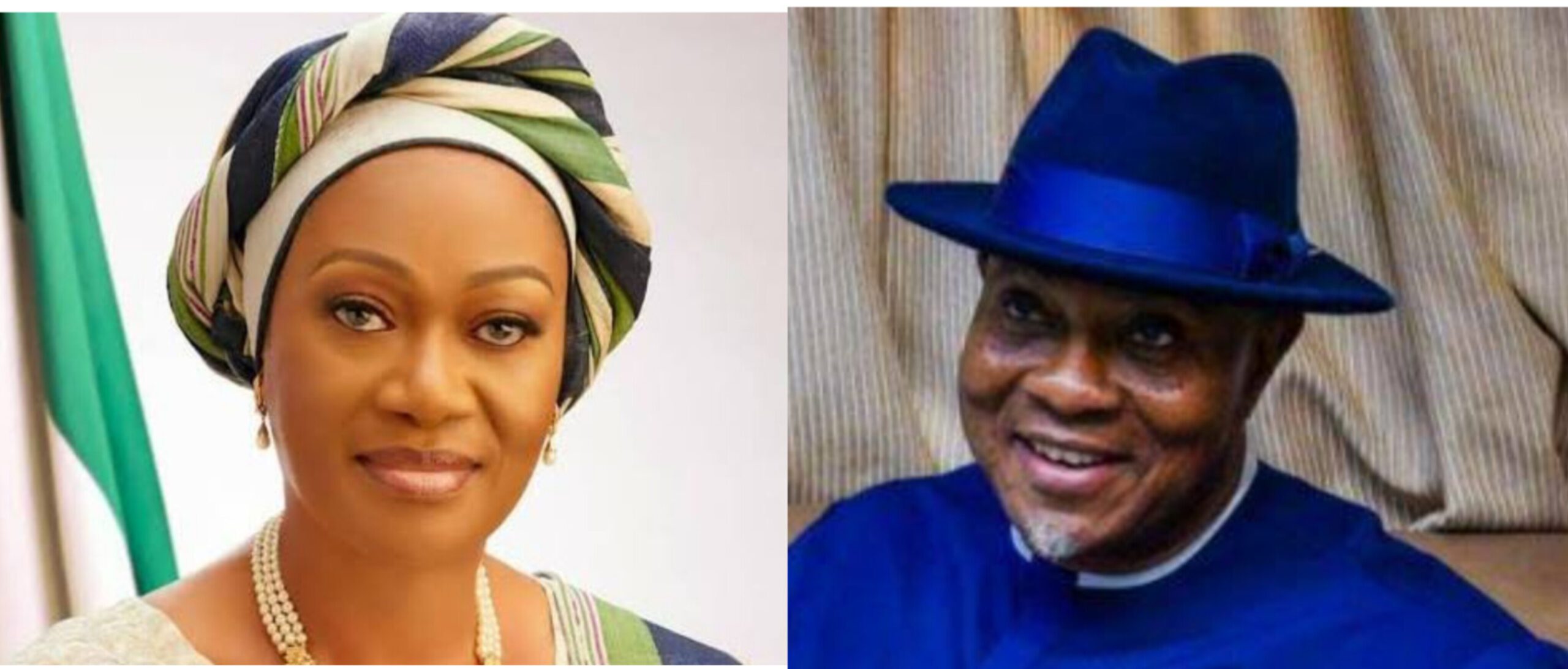
In a bold statement issued in Abuja, Onaiwu directly challenged Senate President Godswill Akpabio, FCT Minister Nyesom Wike, Aviation Minister Festus Keyamo, Minister of Niger Delta Development Abubakar Momoh, Minister of State for Petroleum Resources Heineken Lokpobiri, and First Lady Oluremi Tinubu—an indigene of Delta State—to stop playing safe and start delivering real results.
“You sit at the highest levels of power—yet the South-South bleeds. The Warri and Port Harcourt ports are rotting away, while you cut ribbons in Abuja. This is not representation. This is betrayal,” Onaiwu declared.

He described the long-abandoned ports as “economic lifelines turned graveyards,” warning that every day of silence deepens poverty, drives away investment, and reinforces the marginalization of the Niger Delta.
“These ports once pulsed with life. Ships came. Jobs came. Commerce flourished. Now they lie idle while our sons leave home in search of hope. And our leaders watch?”
Onaiwu didn’t mince words—he said influence means nothing if it doesn’t translate to impact.
“You cannot hold the pen that signs budgets, control the ministries that build infrastructure, and still pretend to be helpless. Power without impact is failure.”
He reminded the public that reopening Warri and Port Harcourt ports would decongest Lagos, create thousands of jobs, boost regional trade, and restore dignity to the Niger Delta.
“Enough of the ceremonies and soundbites. This is the time for legacy. The time to prove that your loyalty lies not with position—but with the people.”
Onaiwu urged President Tinubu to take a hard look at his administration’s infrastructure agenda and prioritize the South-South—especially now that key figures from the region occupy strategic positions to make it happen.
“We’re not asking for favours. We’re demanding fairness. These ports belong to the people. Rebuild them. Reactivate them. Let them live again.”
He ended with a warning—and a challenge:
“Your people are watching. The land is watching. And history will remember who stood up—and who stayed silent.”