**EFCC, DSS, Presidency dismiss social media storm as civil groups protest, demand probe
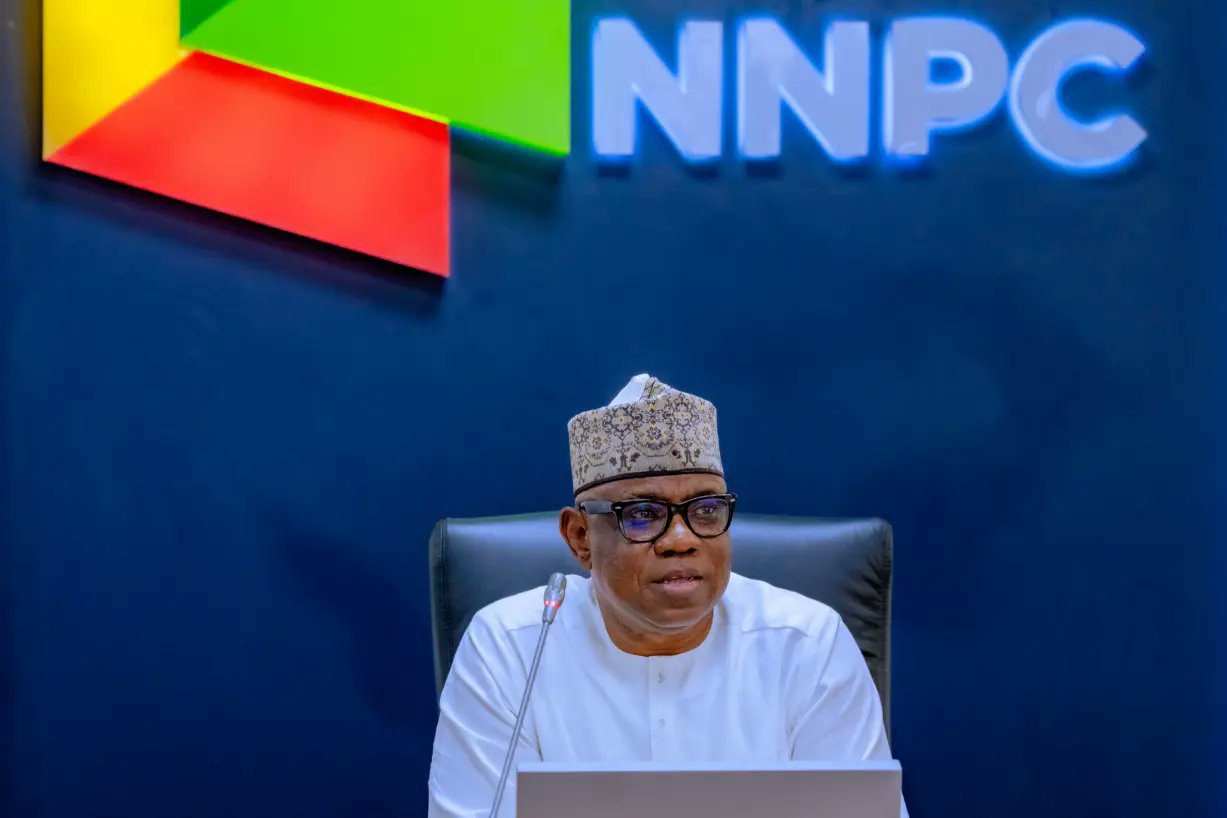
The embattled Group CEO of the Nigerian National Petroleum Company Limited (NNPCL), Bayo Ojulari, made a dramatic return to his Abuja office on Monday morning, defiantly resuming duties amid swirling allegations of corruption, secret detention, and forced resignation.
Ojulari’s reappearance at exactly 9:35 a.m. silenced days of speculation and viral reports claiming he had been pressured by the EFCC and DSS to step down over his alleged connection to a $21 million scandal.
An internal memo promptly circulated within NNPCL directed staff to disregard the “baseless reports.”

The storm began when civil society groups, including OilWatch Nigeria and the Workers’ Rights Alliance, accused Ojulari of financial misconduct linked to Abdullahi Bashir Haske, a detained associate alleged to have confessed to holding the funds on Ojulari’s behalf.
Protests erupted outside the National Assembly, EFCC headquarters, and NNPCL offices, with protesters demanding Ojulari’s arrest and warning of a hidden plan to privatise Nigeria’s oil wealth.
However, in swift rebuttals the Presidency labelled the reports “false and rubbish.”
The EFCC denied any coercion or arrest, confirming only that a petition had been received and was under review.
The DSS called the allegations “baseless and misleading.”
Ojulari, appointed in April 2025 by President Bola Tinubu, was brought in to reform NNPCL and restore investor confidence. His tenure has seen digital audits, supply chain stabilisation, and tighter contract controls—moves applauded by pro-reform groups.
Still, his leadership hasn’t escaped scrutiny. Critics point to an expensive corporate retreat in Kigali, complete with private jets; reports of a toxic work environment and high-level staff exits and unresolved audit queries involving ₦210 trillion in NNPCL’s books from 2017–2023, currently under Senate review.
Appearing before the Senate Public Accounts Committee, Ojulari indicated he had barely spent 100 days as he requested more time to address financial discrepancies, but promised full cooperation with external auditors.