***As Senate Demands Answers Over ₦210trn Gap in NNPC Books
After weeks of silence and mounting public speculation, Group Chief Executive Officer of the Nigerian National Petroleum Company Limited (NNPC Ltd), Engr. Bayo Ojulari, finally faced the Senate — and the figures in question could not be more staggering.
₦210 trillion is the size of the discrepancy uncovered in NNPC’s audited financial statements between 2017 and 2023 — ₦107 trillion in receivables, and ₦103 trillion in liabilities.
Now, the Senate Public Accounts Committee wants answers, and fast.

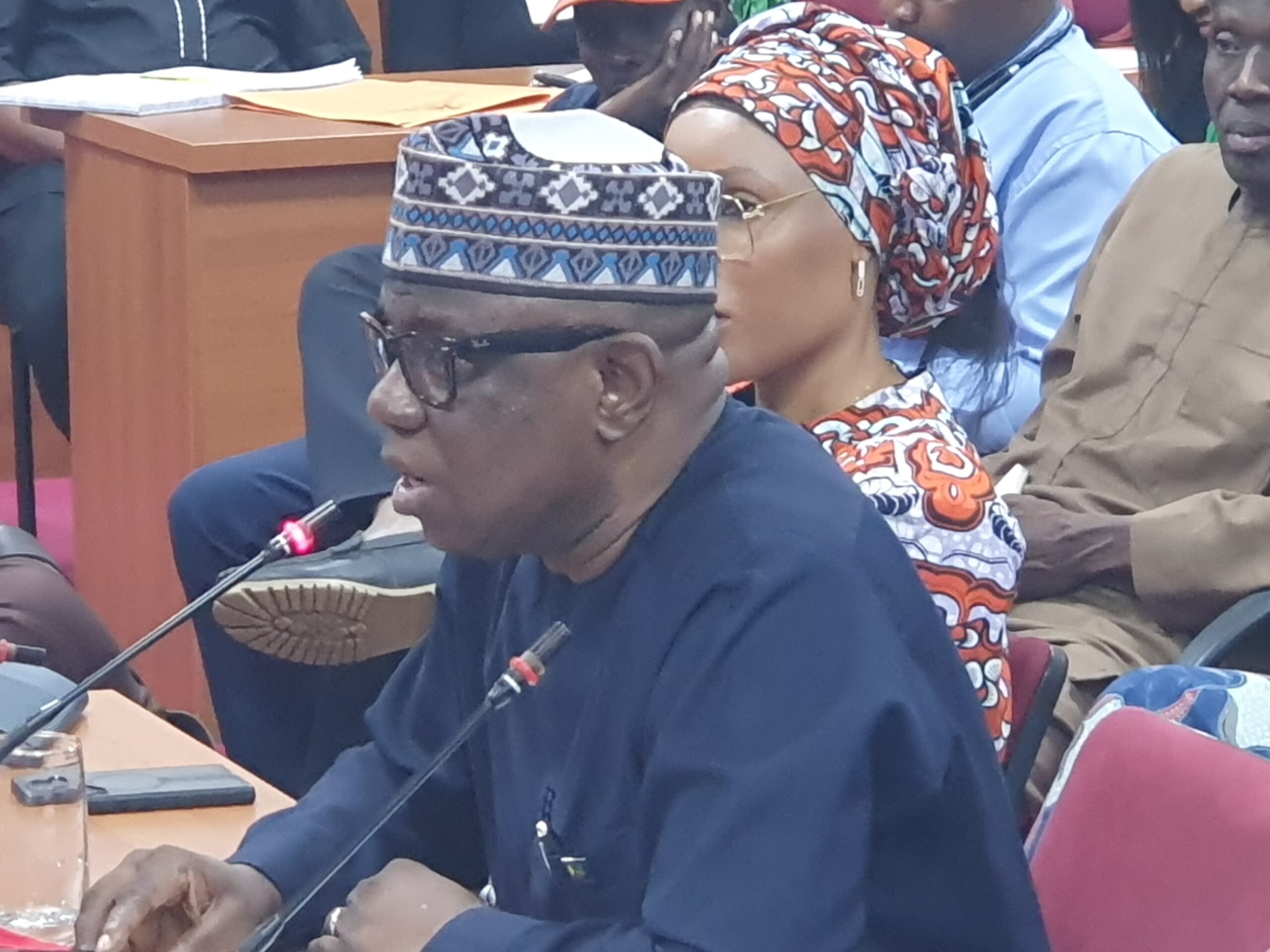
At Tuesday’s high-stakes hearing, Ojulari appealed for understanding, saying his previous silence was a matter of caution, not defiance.
“I didn’t want to come here and speak without being absolutely sure,” he told the committee.
“I had to study the reports thoroughly. This isn’t just a job — it’s a national trust.”
Ojulari, a technocrat recruited from the private sector, acknowledged the weight of expectation and the institutional complexities he inherited. But lawmakers were adamant: no amount of backstory excuses the delay or the confusion in the books.
Committee Chairman, Senator Ahmed Wadada Aliyu (Nasarawa West), laid out the facts.
“These are your numbers — drawn from your audited reports, not media speculations. Nobody is saying ₦210 trillion was stolen. But everything must be explained.”
The committee grilled Ojulari over the absence of NNPC’s external auditors at the hearing — and signaled that future sessions would require joint appearances to cross-reference key entries.
Senator Peter Nwebonyi, Deputy Chairman, said the committee’s insistence on clarity is about national interest, not institutional embarrassment.
“This is not about optics or scapegoating,” he said. “This is about accountability. We need coherence — not contradictions — in how the nation’s oil wealth is reported.”
Ojulari, who had risked a bench warrant by missing earlier invitations, apologised again, reiterating that he did not want to make premature claims on figures he hadn’t fully grasped.
The committee was unmoved. In a final directive, Ojulari was given three weeks to provide detailed written responses to 18 questions stemming from the audit queries.
For many observers, this moment marks a turning point in Nigeria’s oversight of its oil revenues. The Senate’s tone is firmer. The numbers are too big to ignore. And with NNPC now under intense scrutiny, the next few weeks could reshape how public finance is handled in the oil sector.
“We’re not on a witch-hunt,” Senator Wadada concluded. “But the era of blurry figures and zero accountability is over.”