**Canvasses for collective, strategic interventions in tackling crises
By Friday Idachaba, Lokoja
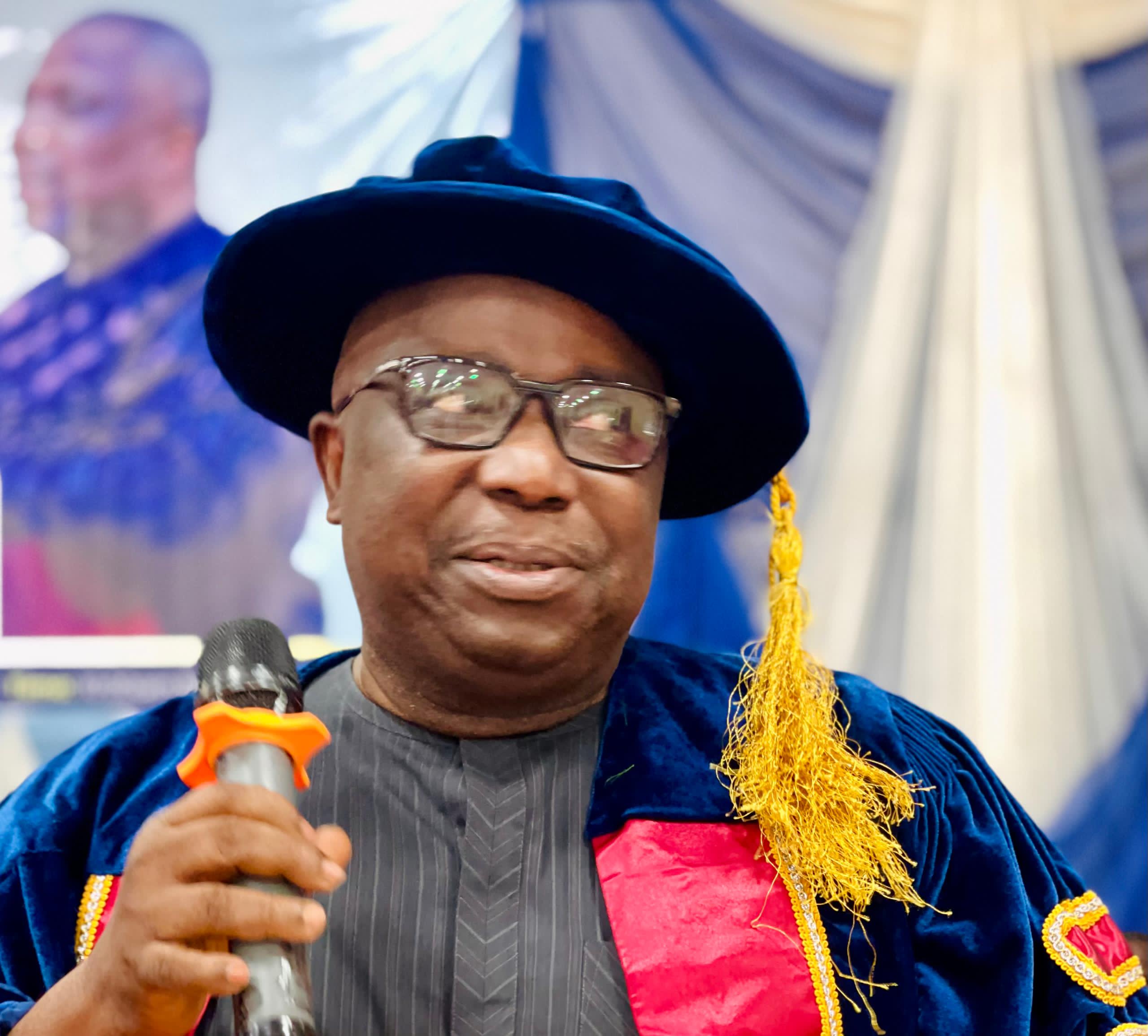
Publisher of Premium Times and CEO of the Centre for Journalism Innovation and Development (CJID), Dapo Olorunyomi, has called for strategic interventions in tackling the current Local Media crisis for sustainability of democratic culture in Nigeria.

Olorunyomi made the call in a lecture at the Federal University Lokoja (FUL) 19th Distinguished Public Lecture on the topic: “Local Media In The Making of a Democratic Culture”, in Lokoja
Olorunyomi said well governed communities and societies remain the proper province of journalism hence the pivotal premise of the Media in the broad project of democracy building.
The Distinguished Lecturer pointed out that citizens are expected not just to vote, but to actively engage with issues, scrutinise decisions, and demand accountability from their leaders.
Historically, he said, the media have been recognised as the “Fourth Estate” of Democracy – a watchdog over power, a platform for public discourse, and a bridge between government and citizens.
“Local media, in particular, aligns with his vision because it is embedded in the everyday lives of citizens and often more accessible than elite national platforms.
“Thus, we can see local media not just as a provider of information, but as an enabler of deliberative democracy, helping transform isolated individuals into an engaged public”, he said.
The Premium Times Publisher pointed out that from the nationalist press of the colonial era to the defiant papers of the Military era and today’s community radio stations and blogs, local media in Nigeria have consistently sustained a democratic culture.
“It does so by informing citizens, enabling deliberation, challenging power, and representing marginalised voices — embodying the ideals envisioned by democratic theorists and enshrined in Nigeria’s Constitution”, he said.
Golden as the onset might have seemed in the colonial dispensation and part of post-independence era, Olorunyomi presented an appreciation of the current challenges of the local media ranging from the onslaught of digital (on-line) platformization to chequered quackery.
He pointed out that the dominance of digital platforms in the global and national media ecosystems leading to “Platformization” of news has diverted audiences away from professional journalism toward unverified content shared on social networks.
“A combination of economic, technological, political, and institutional challenges has created a hostile environment for local journalism, threatening its viability and eroding its ability to inform, engage, and hold power accountable”, Olorunyomi said.
The CJID CEO noted that shrinking funding and economic pressures; technological shifts leading to digital disruption, radically reshaping audience habits as well as resource constraints and professional capacity as militating factors.
Others according to him are: Polarisation, Misinformation, and declining trust; censorship, Intimidation, and attacks on the press as local journalists often operate under intense political pressure.
He said that Journalists are overworked, underpaid, and often lack access to training or legal support and yet suffer unrestrained attacks stressing, “Over the 25 years since Nigeria’s Fourth Republic was formed, journalists in Nigeria have continued to face attacks.
“Of the 1,237 verified cases of violations against the press between 1986 and 2025, the past five years (2019–2024) have been the most scandalous”, he noted as he called for sustained efforts to tackle identified Media criss in Nigeria.
Earlier in his welcome address, Vice Chancellor of FUL, Prof. Olayemi Akinwumi said the Distinguished Public Lecture Series of the University provides a vital platform for meaningful dialogue on pressing national and global issues, connecting Town and Gown in meaningful ways.
Prof. Akinwumi attributed the frequency and import of the Public Lecture series the institution’s firmly believe that a University should not only teach and research but also serve as a beacon of enlightenment and a catalyst for societal progress.
He noted that the theme, “Local Media in the Making of a Democratic Culture”, was apt especially this time when democratic values are constantly being tested and the role of the media is being scrutinized globally.
“We look forward to gaining deep insights into how local media, often the most immediate and accessible to the grassroots, contributes to the shaping and sustenance of a democratic society”, the VC said. (Ends)