At a time when Nigeria grapples with mounting economic pressure, deepening insecurity, and increasing public disillusionment with central governance, a different narrative is quietly unfolding across several states—one of focused, people-driven leadership led by governors under the platform of the Peoples Democratic Party (PDP).
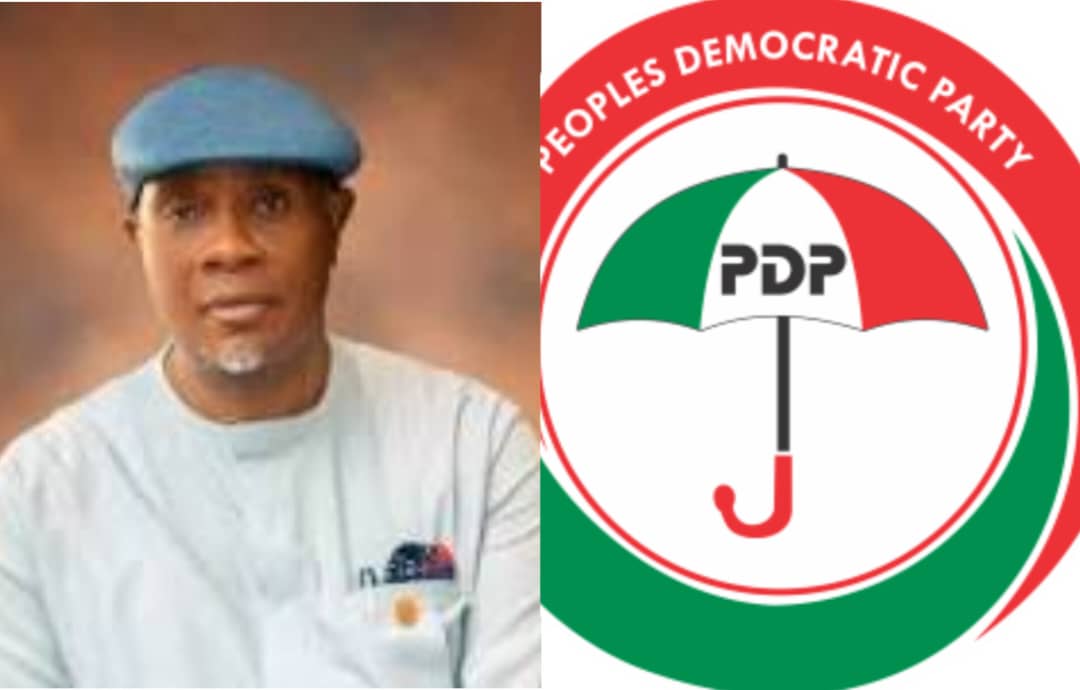
Earl Osaro Onaiwu, former Director-General of the PDP Governors’ Forum and long-time advocate of subnational governance reform, drew national attention to this emerging contrast in a statement on Sunday, applauding PDP governors for what he described as “transformational and people-centred governance” amidst daunting political and fiscal challenges.
“They are not just building roads—they are building hope. They are not just commissioning hospitals—they are saving lives,” Onaiwu said. “In a season when the country is in desperate need of credible leadership, these governors are quietly showing the way.”
From the rehabilitation of rural road networks in Enugu and youth innovation programmes in Taraba, to the expansion of health services in Bauchi and education reform in Osun, PDP governors are increasingly being associated with a style of governance that emphasises service delivery over spectacle.
Political observers note that these pockets of performance have become more visible against the backdrop of public frustration over the perceived underperformance of federal institutions. In many PDP-controlled states, governance is seen to be aligning more closely with the expectations of citizens—especially in basic service provision.
“What is becoming evident is a functional model of leadership emerging from below,” said Dr. Zainab Usman, a governance expert based in Abuja. “While the federal government continues to battle for coherence, these state governors are beginning to fill critical gaps.”
Onaiwu’s intervention comes at a time when questions are being asked about the role of subnational actors in revitalising Nigerian democracy. In his view, the performance of PDP governors serves as evidence that real change is possible when leaders remain grounded in the priorities of their constituents.
“Despite intimidation and political headwinds, these governors have chosen to remain focused on governance. They are showing Nigerians that politics can work—when the people come first,” he said.
He further urged the Federal Government to take a non-partisan approach in dealing with high-performing states, stressing that national progress should never be sacrificed on the altar of political rivalry.
“This moment calls for collaboration, not competition. The progress we see in these states should be encouraged and supported—regardless of party labels.”
The larger implication, analysts say, is that Nigeria’s governance revival, if it is to come at all, may not begin from the top. It may instead grow outward from states where institutions are being strengthened, policies are being felt, and public trust is slowly being rebuilt.
In an age of widespread cynicism, the story of quiet progress from PDP-governed states offers not just a critique of what is not working—but a glimpse into what could.
In the Shadows of National Turbulence, PDP Governors Quietly Redefining Leadership, Earl Onaiwu