By Fatima Ndagi
The House of Representatives is stepping up efforts to fix the slow wheels of justice in the Federal Capital Territory, with two key bills aimed at boosting judicial capacity and accelerating access to justice.
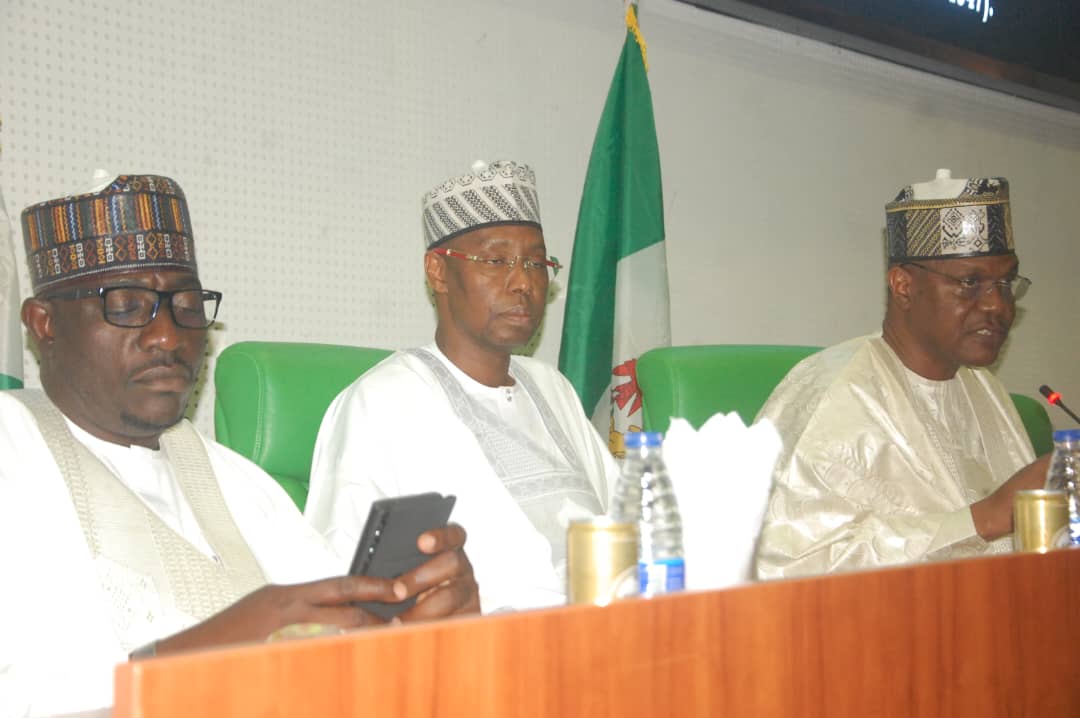
At a public hearing held Wednesday at the National Assembly, Chairman of the House Committee on FCT Judiciary, Rep. Adamu Gamawa, declared the House’s commitment to making justice delivery faster, more affordable, and closer to the people.
“We want an FCT where no citizen waits endlessly for justice,” Gamawa said. “The goal is simple: timely, fair, and accessible justice for all.”
One of the bills seeks to increase the number of judges assigned to the FCT, while the other proposes the establishment of lower courts to handle both civil and criminal cases. Lawmakers say the reforms are necessary to decongest the courts and restore confidence in the judicial system.
Gamawa stressed that the bills align with the Speaker’s broader vision of a justice system that works for everyone—not just the privileged few. “This is about justice at the grassroots. This is about building trust in our institutions,” he added.
Representing Speaker Abbas Tajudeen, Deputy Minority Leader Rep. Aliyu Madaki called the hearing a crucial part of the House’s reform agenda. “The justice system must evolve. These bills are a response to the urgent need for reform, especially in the nation’s capital,” he said.
Legal professionals were also on hand to weigh in. Nigerian Bar Association (NBA) President, Mr. Afam Osigwe, voiced strong support for the proposals but urged lawmakers to go further. He called for the removal of outdated legal provisions, including Section 16 of the principal Act, describing it as “no longer relevant in today’s legal landscape.”
The hearing drew a crowd of lawyers, civil society advocates, and justice sector reformers—all united around the need for faster, fairer, and more accessible legal processes in the FCT.
With the bills now moving through the legislative pipeline, lawmakers say they are committed to reshaping Abuja’s judicial landscape—one reform at a time.