The Niger State Government has issued an urgent warning to communities along the riverside areas of the state, urging them to immediately heed federal flood alerts and relocate to higher ground to avert disaster.
This call comes in response to recent forecasts by the Nigerian Meteorological Agency (NiMet) and the Federal Ministry of Environment, which have projected heavy rainfall and potential flooding in over 38 flood-prone locations across 15 states, including Niger.
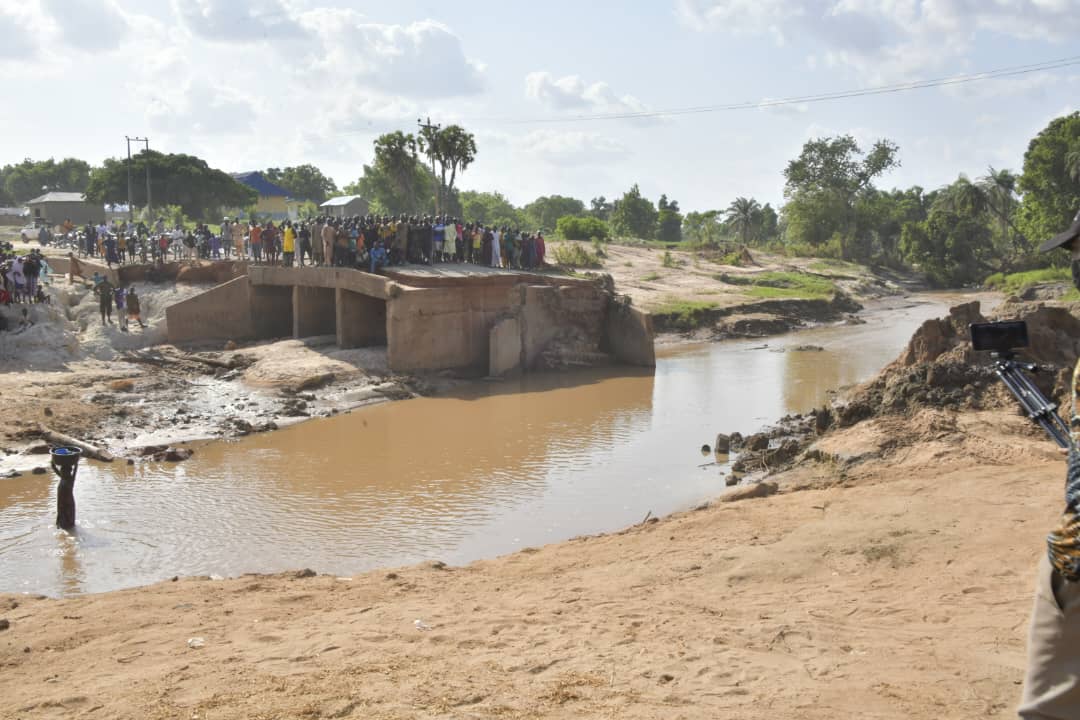
In a statement released on Friday in Minna, the Special Adviser to the Governor on Media, Communication, and Strategy, Hon. Jonathan Vatsa, said the warning is crucial to prevent a repeat of the recent Mokwa flood disaster, which claimed over 200 lives and destroyed properties worth millions of naira.
“We cannot afford another catastrophe like the Mokwa experience,” Vatsa warned. “We are calling on all residents living along the riverbanks to move immediately to safer, higher grounds before the rains intensify.”
He revealed that over 2,000 communities across 15 local government areas in the state are situated by riverside zones and are highly vulnerable to floods. He emphasized that the 2024 NiMet forecast—showing early morning thunderstorms and heavy rainfall in northern and central states—should not be ignored.
According to NiMet’s weather outlook, states likely to experience intense rainfall and storms include Borno, Zamfara, Bauchi, Kano, Jigawa, Kebbi, Katsina, Niger, Kwara, Plateau, Kogi, Benue, and Nasarawa, as well as parts of the Federal Capital Territory.
Communities in Yobe, Adamawa, Akwa Ibom, Cross River, and others were also highlighted in the federal flood prediction released by the National Flood Early Warning Centre under the Erosion, Flood and Coastal Zone Management Department.
“This warning is not to cause panic but to ensure preparedness,” Vatsa added. “We are set to launch a statewide awareness campaign to sensitize vulnerable communities. People may return to their homes after the rains, but their safety must come first.”
He called on traditional rulers, community heads, and religious leaders to support the government’s public sensitization efforts and mobilize their communities to comply with safety directives.
The statement further noted that the Federal Government has initiated steps toward establishing a National Flood Insurance Policy as part of long-term solutions to Nigeria’s increasing flood vulnerability.
Vatsa concluded with a passionate plea: “Floods are not just natural occurrences—they are warnings. Let us act now, not after disaster strikes.”
Flood Alert: Niger Government Urges Riverside Communities to Relocate, Cites Mokwa Tragedy