A storm is brewing in Nigeria’s domestic gas market as major operators push back against plans by Africa’s richest man, Alhaji Aliko Dangote, to drastically cut the price of cooking gas and sell directly to consumers.
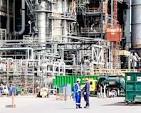
The President of the Dangote Group announced that his refinery, which now produces up to 22,000 tonnes of Liquefied Petroleum Gas (LPG) daily, is ramping up production with the intention of making cooking gas more affordable for everyday Nigerians. Currently, LPG prices hover between ₦1,000 and ₦1,300 per kilogram, a rate Dangote has described as “too expensive.”
“If the distributors are not trying to bring it down, we’ll go directly and sell to the consumers so that people will now transit from firewood or kerosene to LPG for cooking,” Dangote said during a recent tour of the Lekki refinery with guests from the Lagos Business School’s CGEO Africa programme.
But the proposal has drawn sharp criticism from players in the LPG sector, who accuse Dangote of attempting to monopolize the market.
“It’s monopolistic. A market should be protected to encourage growth,”
said Godwin Okoduwa, former Chairman of the LPG and Natural Gas Downstream Group of the Lagos Chamber of Commerce and Industry.
He emphasized that the LPG market had grown from 70,000 metric tonnes in 2007 to over 1.3 million tonnes by 2022, largely through public-private collaboration involving the federal government, NLNG, and independent offtakers.
“Some of us have invested for years. He’s coming in now because there’s a viable market. He should respect that and not use a zero-sum strategy to squeeze others out,” Okoduwa warned.
He acknowledged Dangote’s investment but called for collaboration, not disruption. “Nigeria’s LPG market could hit 5 million tonnes. Let’s grow the pie together. He should go and build infrastructure in underserved areas like the Northeast, where gas use is lowest. That would be real impact.”
In the same vein, Bassey Essien, Executive Secretary of the Nigerian Association of Liquefied Petroleum Gas Marketers, dismissed the feasibility of Dangote’s promise.
“It’s unrealistic. What’s happening with petrol? Has the refinery been able to sell petrol directly to us at cheaper rates?” Essien asked.
The Dangote Refinery, Africa’s largest, is expected to begin direct distribution of petrol, diesel, and aviation fuel nationwide from August. The company has already procured 4,000 CNG-powered buses to facilitate logistics.
Still, marketers are wary, warning that unchecked dominance in the LPG sector could lead to market distortion, job losses, and stifled competition.
As Nigeria pushes toward cleaner, gas-based domestic energy use, the debate now hinges on whether market liberalization can coexist with monopolistic control — or if a cooperative approach will win the day.
Gas Market in Turmoil as Marketers Resist Dangote’s Plan to Crash Cooking Gas Price