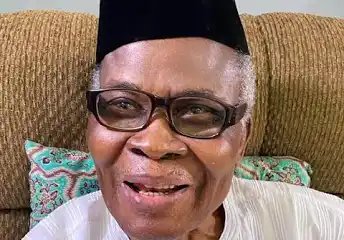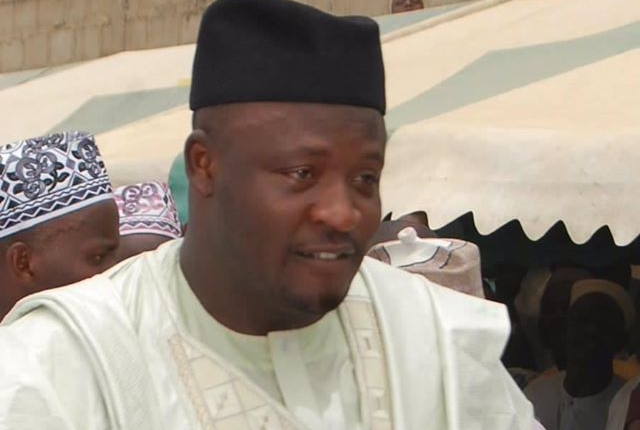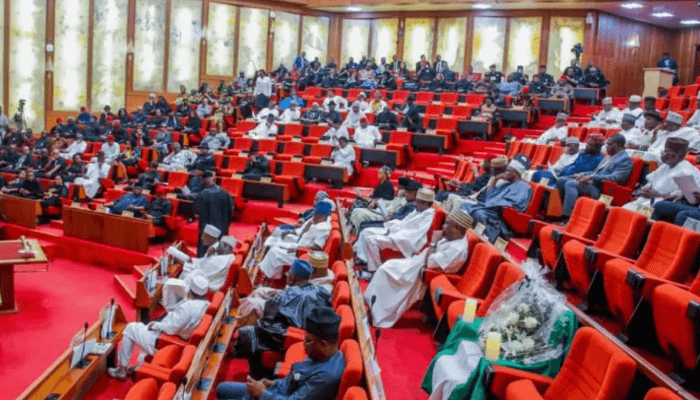
Opposition leader Chief Peter Ameh has called for an urgent, sweeping reform of Nigeria’s National Assembly following explosive revelations of corruption by whistleblower Ifeoma Ofili, a former director and clerk at the House of Representatives.
In a strongly worded statement issued on behalf of the opposition coalition (CUPP), Chief Ameh described the revelations as a national emergency and a litmus test for Nigeria’s commitment to transparency, justice, and democracy.
“The National Assembly has degenerated into a cesspool of corruption,” he said. “And Ifeoma Ofili’s courageous testimony confirms what many Nigerians have suspected for years—that our lawmakers are more invested in looting the treasury than legislating for the public good.”
Chief Ameh’s intervention comes days after Ofili, speaking at a legislative retreat organized by the National Institute for Legislative and Democratic Studies (NILDS), accused members of the National Assembly of collecting bribes during oversight functions, falsifying reports, and diverting funds meant for staff welfare.
While Ofili’s remarks have sparked heated debate in policy circles and online, both the Economic and Financial Crimes Commission (EFCC) and the Independent Corrupt Practices Commission (ICPC) have remained conspicuously silent.
“Where are the anti-graft agencies?” Ameh demanded. “Why the silence? In any functioning democracy, this should trigger immediate arrests, legislative inquiries, and whistleblower protection. Instead, there’s eerie quietness. Nigerians deserve better.”
Ameh said Ofili’s testimony confirmed a pattern of impunity at the highest levels of government. He warned that the failure of institutions to respond was itself evidence of complicity, and described the situation as a betrayal of the Nigerian people.
“This is more than a scandal—it’s systemic decay,” he said. “We cannot afford to allow those entrusted with public power to weaponize silence and sweep these allegations under the rug.”
“The lawmakers who should be fighting corruption are instead leading it. This is a profound national tragedy.”
In his statement, the CUPP leader demanded: Immediate protection for Ifeoma Ofili under whistleblower provisions, and an end to any veiled attempts to intimidate or sideline her. A public inquiry into legislative corruption, with full media transparency and Legislative digitalization to limit the discretionary abuse of oversight functions and budget processes.
He also called on civil society, students, professional groups, and faith leaders to mobilize national support for whistleblowers and speak out against corruption at all levels of governance.
“We must no longer treat corruption as business as usual. Nigerians are suffering, and yet the corridors of power are overflowing with looted funds and fake reports,” he stated.
Ameh praised Ifeoma Ofili for her “exceptional bravery” and described her as a symbol of moral resistance in a political landscape plagued by fear and silence.
“She has done what few in public service dare to do—expose the rot from within. If we fail to protect her, we’re telling every honest Nigerian that the system will crush you for speaking the truth.
As the nation absorbs the weight of these revelations, Chief Peter Ameh’s response may mark the beginning of a wider political reckoning—or another missed opportunity to rescue a system sinking under the weight of its own corruption.
Opposition Leader Peter Ameh Demands Action as Whistleblower Exposes Legislative Corruption