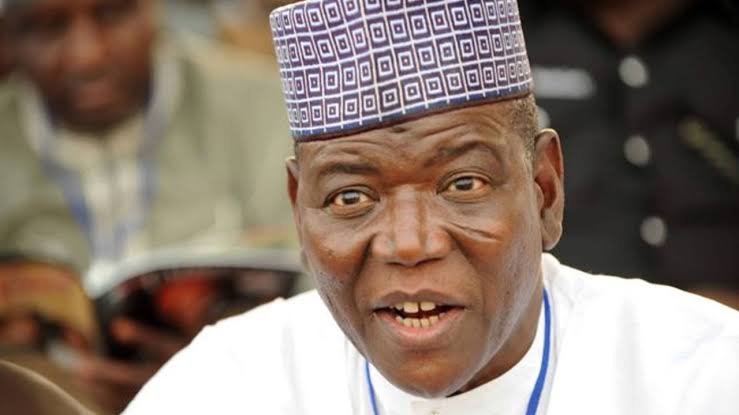
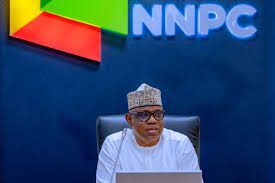
The Nigerian National Petroleum Company (NNPC) Limited is considering selling off the country’s state-owned refineries after years of expensive but largely unproductive rehabilitation efforts. Despite a $3 billion investment approved between 2021 and 2023, the refineries in Port Harcourt, Warri, and Kaduna continue to underperform or remain non-operational.
Speaking at the OPEC International Seminar in Vienna, NNPC Group Chief Executive Officer, Bayo Ojulari, said the company is now reviewing its refining strategy and may take a new path focused on efficiency and private sector participation. The review is expected to be completed by the end of 2025.
Ojulari described the repair process as technically difficult and hampered by long-dormant and deteriorating infrastructure. Although the 61-year-old Port Harcourt Refinery briefly resumed crude processing in late 2023, it was shut down again in May 2025 for maintenance. The Warri and Kaduna refineries, now over four decades old, are still undergoing rehabilitation. Collectively, the refineries have a nameplate capacity of 445,000 barrels per day but have remained inactive or severely underutilised for years.

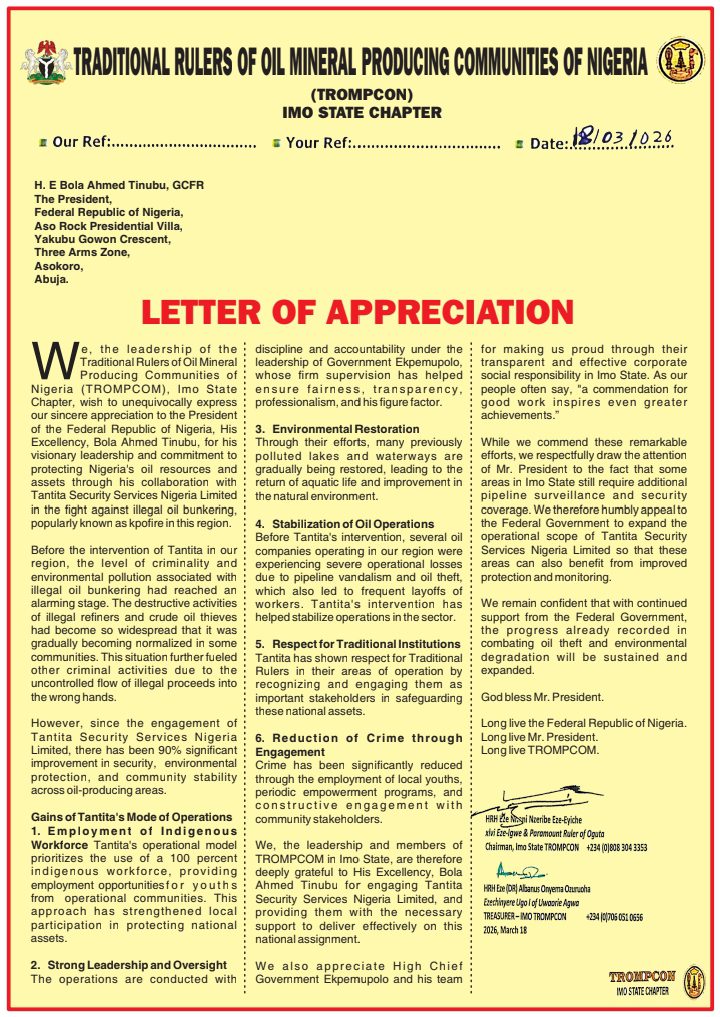
The idea of selling the refineries signals a significant policy shift after decades of public investment with minimal returns. Critics, including members of the National Assembly, have long questioned the financial sustainability of the refineries, accusing NNPC of spending more than ₦11.35 trillion (about $25 billion) over a decade without tangible results.
Ojulari acknowledged the shortcomings, saying that while NNPC has deployed modern technologies and significant capital, the outcomes have not justified the effort. He also pointed to Nigeria’s high crude production costs — between $20 and $30 per barrel — driven mostly by the need to secure infrastructure. Nonetheless, he expressed optimism about the sector’s recovery, with a government target of reaching 1.9 million barrels per day by the end of 2025.
If the sale goes through, it could mark a turning point in Nigeria’s downstream oil strategy, shifting control from public to private hands and potentially unlocking new opportunities for investment, efficiency, and sustainability.