As the clamour for accountability in Nigeria’s public service grows louder, the Human and Environmental Development Agenda (HEDA) has reignited the debate over transparency in land allocation in the Federal Capital Territory. This time, the group’s petition to the ICPC is not just about an individual—it’s a challenge to a system many say is broken.
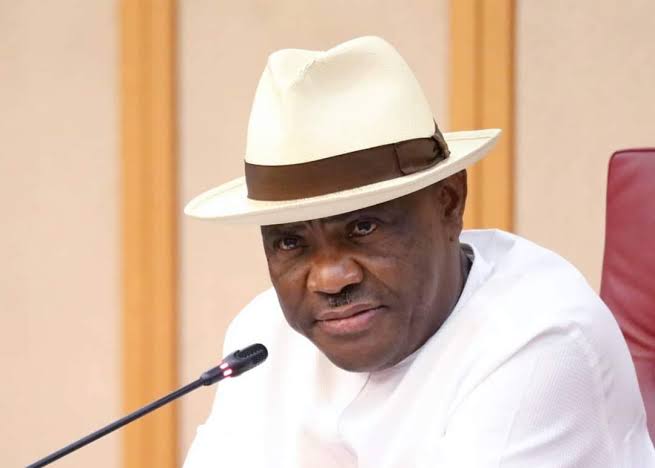
At the centre of the storm is FCT Minister, Nyesom Wike, who is accused of allocating land worth $3.6 billion to his sons, Joaquin and Jordan Wike, through a firm named JOAQ Farms and Estates Ltd. But for HEDA, this isn’t just about family favouritism—it’s about the erosion of public trust in institutions meant to serve the people.
“This case is symbolic of deeper structural rot,” said HEDA Chairman, Olanrewaju Suraju, in a statement accompanying the petition to the Independent Corrupt Practices and Other Related Offences Commission (ICPC). “We are looking at more than corruption—we are looking at how state resources are quietly transferred into private hands under the guise of official discretion.”
The petition, backed by an investigative report and internal leaks from the Department of Land Resources, paints a troubling picture. A Land Resource Officer who allegedly exposed the land deals has been sanctioned—raising fresh fears about whistleblower protection and internal checks in the FCT administration.
HEDA is urging a multi-layered response: an ICPC-led forensic audit of all land allocations since 2023, a freeze and recovery of parcels allocated to JOAQ Farms, and the temporary suspension of Wike to allow for an impartial investigation. The group is also pressing for an inquiry into Hon. Kingsley Chinda, whom they describe as a long-time political associate and potential proxy for the minister.
But the group is also taking the long view. Citing its 2022 legal victory in a Freedom of Information suit (FHC/ABJ/CS/1517/2020), HEDA said the refusal of the FCT to implement that ruling under Wike’s leadership reflects a deeper culture of impunity and opacity that endangers public resources.
“This moment must not be wasted,” Suraju said. “It is an opportunity for both the government and the people to demand real-time transparency in how land—the most valuable public resource in Abuja—is managed.”
Observers say the case could test President Bola Tinubu’s stance on anti-corruption and internal accountability. While the Presidency has yet to comment, public pressure is mounting for a decisive response.
For many Abuja residents who struggle to secure small parcels of land for homes or businesses, the unfolding scandal is a stark reminder of inequality entrenched not just by poverty—but by privilege.
$3.6bn Land Scandal: HEDA Urges Overhaul of Wike’s FCT Land Policy