By Fatima Ndagi
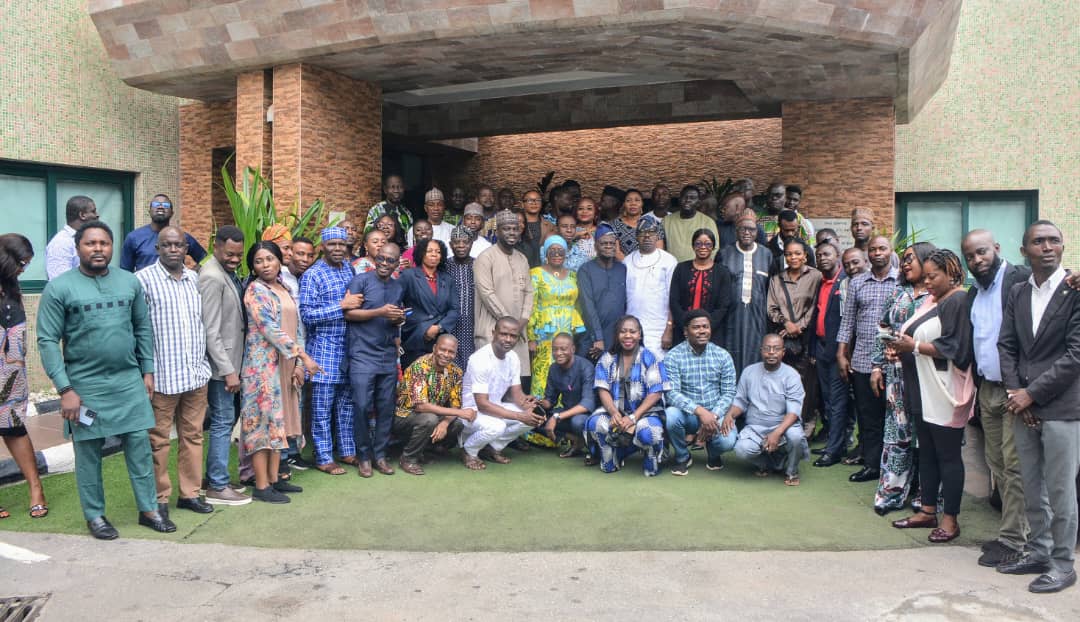
In a bold step to bridge the information gap on biotechnology and reshape public discourse around Genetically Modified Organisms (GMOs), the National Biotechnology Research and Development Agency (NBRDA), in collaboration with the Open Forum on Agricultural Biotechnology (OFAB) Nigeria Chapter and the African Agricultural Technology Foundation (AATF), on Monday, June 30, 2025, convened a high-level sensitisation workshop for members of the House of Representatives Press Corps in Abuja.
Held at Denis Hotel, the one-day workshop brought together journalists covering Nigeria’s legislature for an interactive engagement focused on demystifying GMOs and exploring their potential to revolutionize agriculture, tackle food insecurity, and mitigate the effects of climate change.
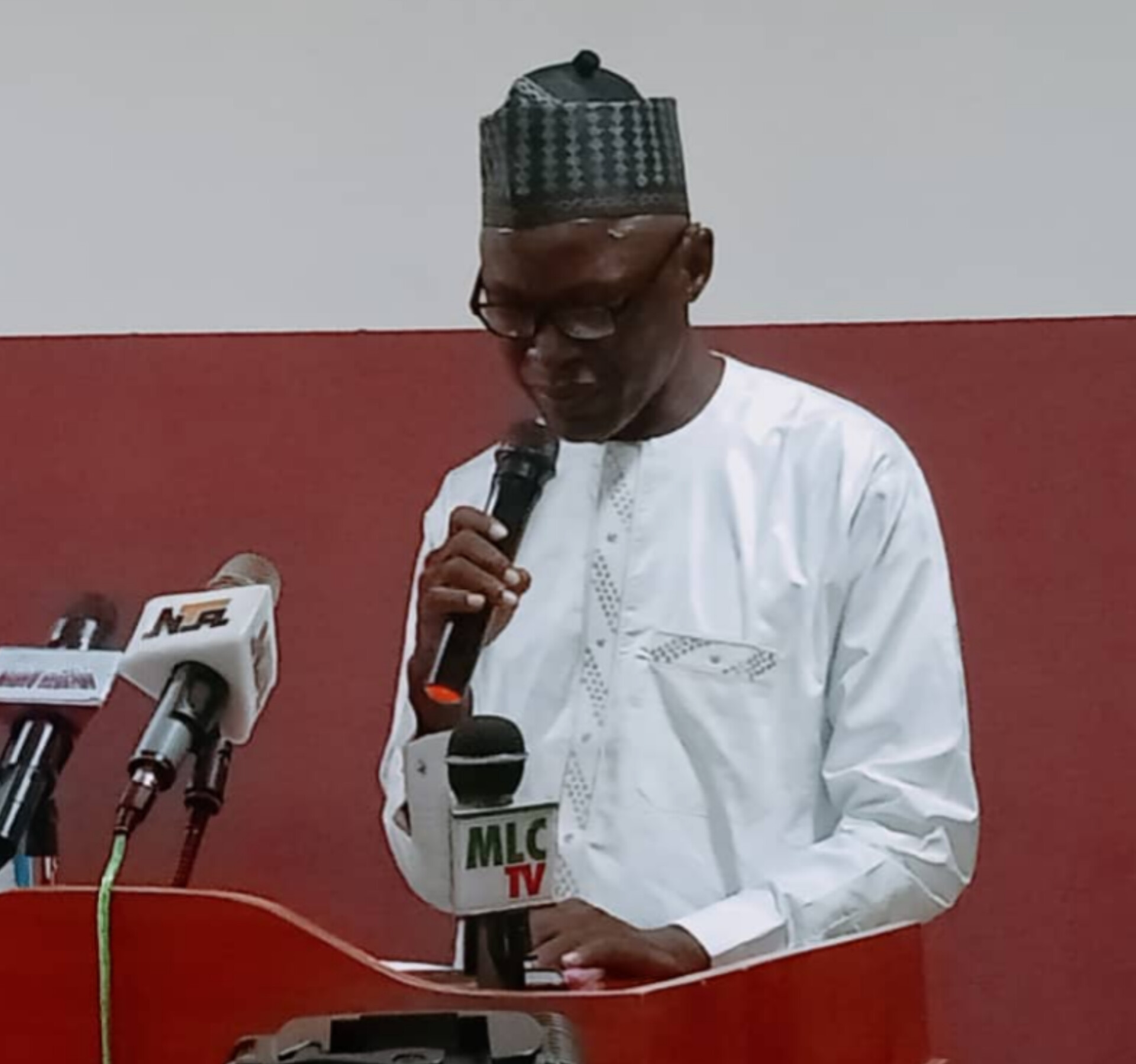
In his welcome address, Professor Abdullahi Mustapha, Director-General and CEO of NBRDA, hailed the timing of the workshop, stressing the urgency of embracing science-driven solutions in an era defined by climate crisis, hunger, and rising demand for food security.
“Responsibly developed and effectively adopted agricultural biotechnology offers a powerful set of tools to address these interconnected problems,” Mustapha said.
He pointed to notable breakthroughs such as drought-tolerant maize, insect-resistant cotton, pod borer-resistant cowpea, and blight-resistant potatoes as critical innovations that could reshape Nigeria’s farming landscape and lift millions out of poverty.
Professor Mustapha sounded the alarm over the damaging impact of misinformation and disinformation in public discussions on GMOs, warning that fear-driven narratives undermine trust in science and delay progress.
“In the context of GMOs, distortion of facts can have devastating consequences—on public policy, on health, and on national development. Journalists must rise as defenders of evidence-based discourse,” he charged.
He urged the press to act as custodians of truth, collaborating with scientists to ensure that Nigerians receive clear, accurate, and factual reporting on biotechnology and agricultural innovation.
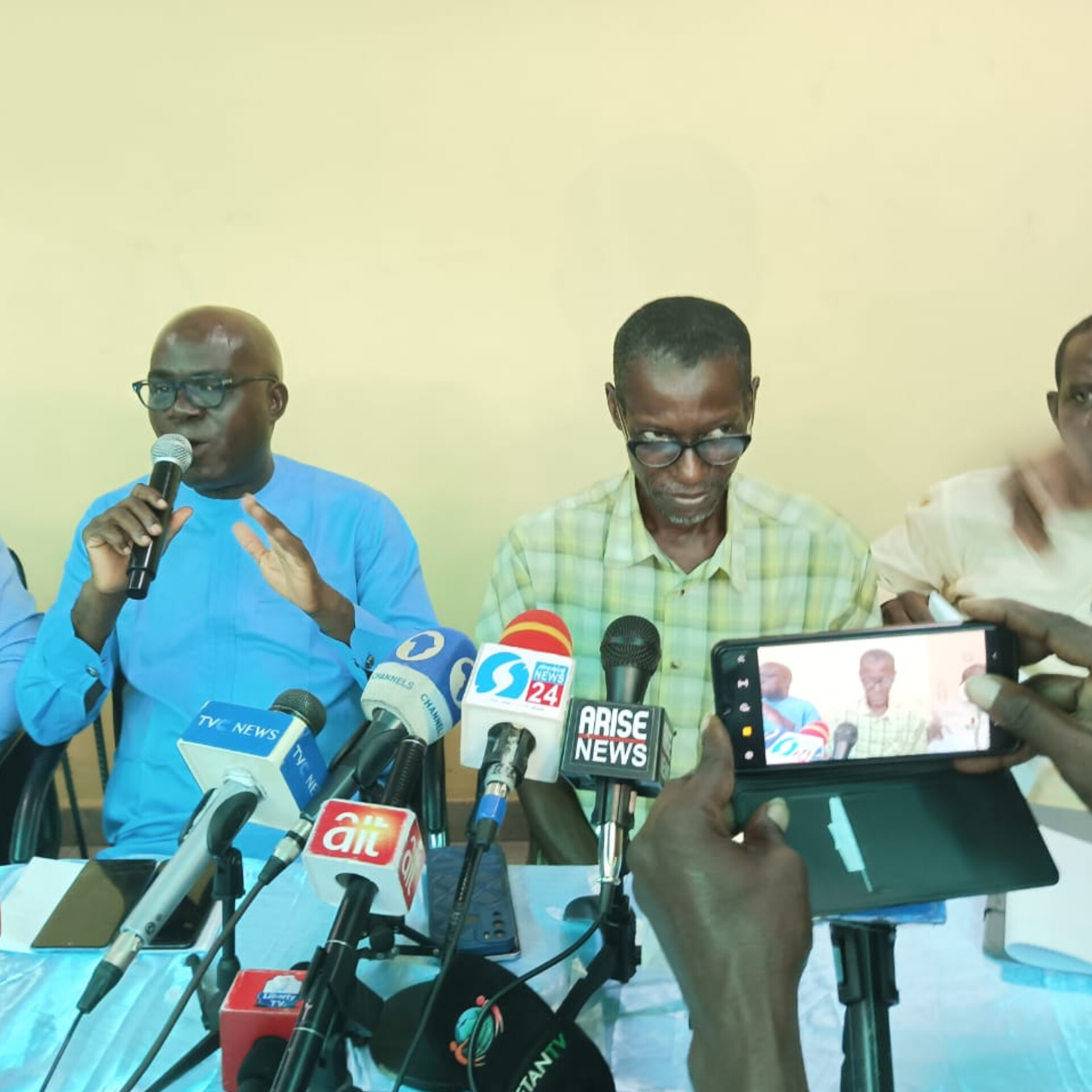
Speaking on behalf of the House of Representatives Press Corps, Chairman Gboyega Onadiran applauded the initiative and pledged the corps’ commitment to informed and balanced reporting.
“This training is a privilege. It reminds us that journalism isn’t just about headlines—it’s about shaping how people understand the world,” he said.
Onadiran acknowledged the polarizing nature of GMO debates, noting that while they offer solutions for food security, some still raise concerns around health, environment, and local farming traditions.
“Our responsibility is to ask tough questions, seek expert insights, and deliver information that is both fair and factual. Workshops like this equip us to do exactly that,” he added, recommending that such sessions become annual capacity-building events for the media.
The workshop featured technical presentations by biotech researchers, science communicators, and policy advocates—equipping journalists with tools to interpret data, understand regulatory frameworks, and counter myths with facts.
It ended with a joint resolution for stronger collaboration between the media and the scientific community, especially in countering misinformation that threatens public understanding of science and its role in national progress.
As Nigeria grapples with urgent agricultural challenges, stakeholders agree that truthful, science-based communication—powered by a well-informed press—is key to building public confidence and unlocking the full potential of biotechnology.