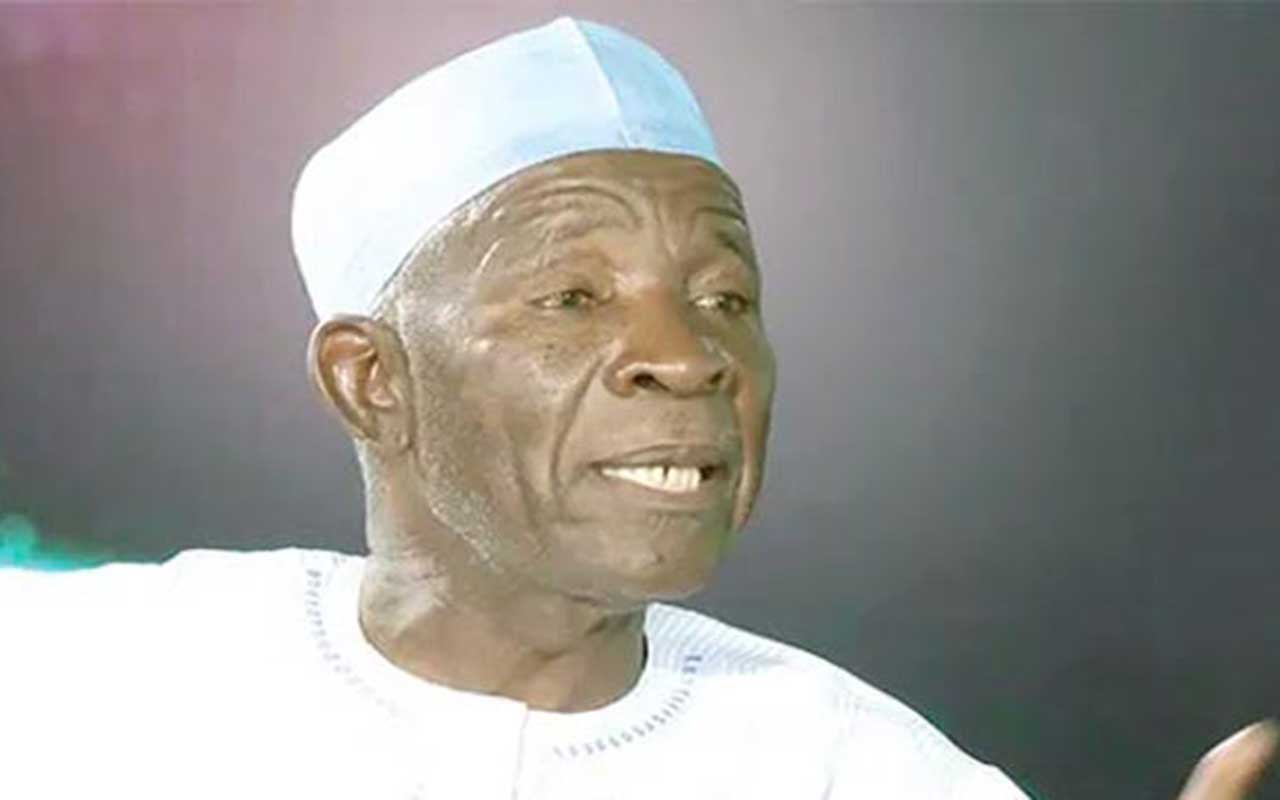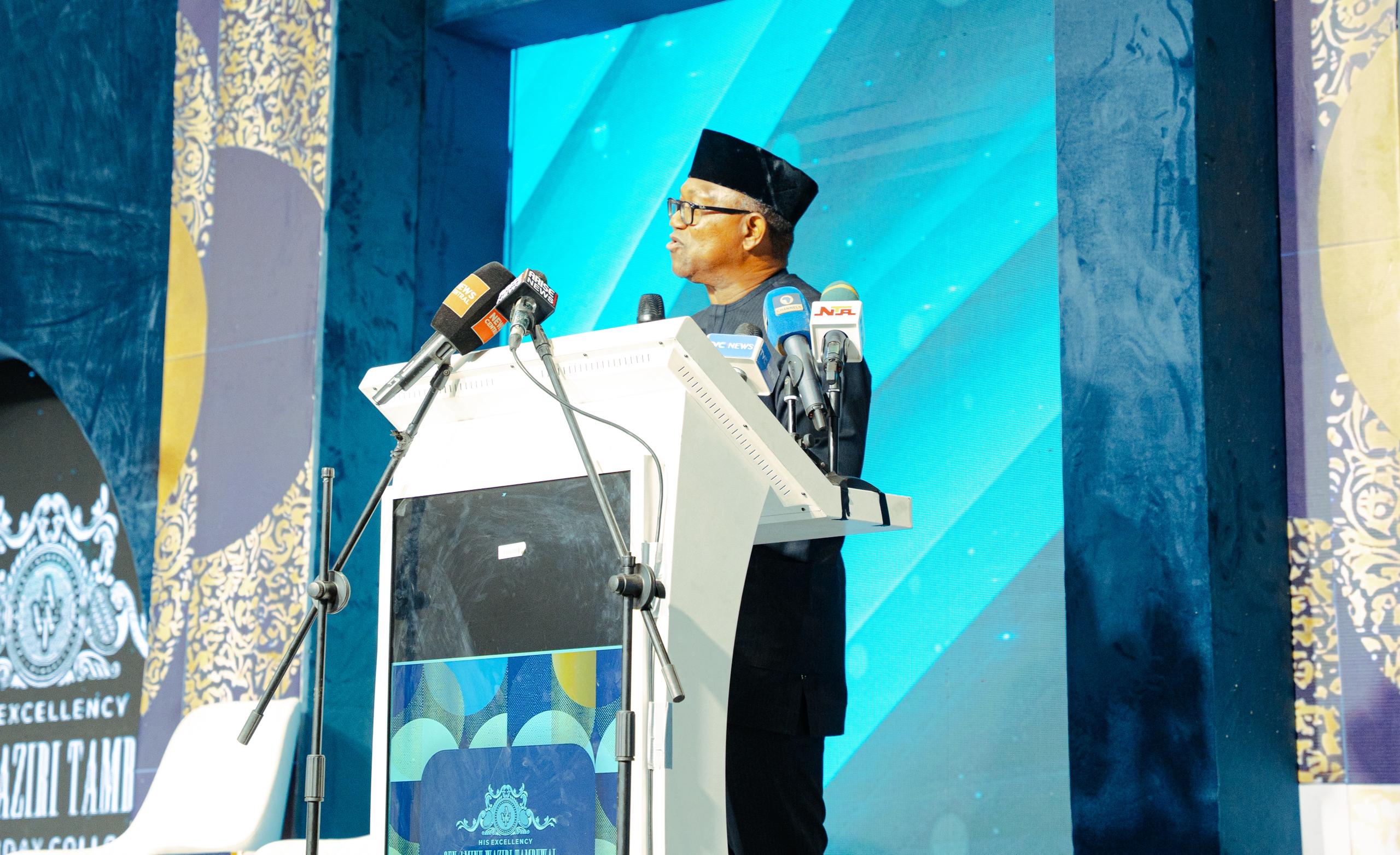
In a bold move that signals a major shake-up within Nigeria’s political opposition landscape, the Forum of State Chairmen of the Social Democratic Party (SDP) has thrown its weight behind the suspension of National Chairman Shehu Musa Gabam and two other top party officials.
They described the action as “a necessary purge to restore credibility, internal democracy, and moral authority” to the party.
Addressing a packed press conference at the Green Minds Hotel in Abuja on Friday, the state leaders insisted that the SDP must hold itself to higher ethical standards, especially as a party positioning itself as the “credible alternative” to the ruling All Progressives Congress (APC) and the troubled People’s Democratic Party (PDP).

“We cannot preach anti-corruption and then shield our own. This is not about 2027. It is about integrity. A party that hopes to lead Nigeria must first lead itself rightly,” the Forum stated emphatically.
While party politics in Nigeria is often associated with opacity and impunity, the SDP Chairmen Forum emphasized that the current developments prove the party’s structures are working.
They said the suspension of Gabam, National Auditor Clarkson Nnadi, and National Youth Leader Ogbonna Chukwuma followed constitutional procedures and reflected the collective will of grassroots members.
“This is not a coup. This is democracy at work. No one is above the constitution—not even the chairman,” the Forum declared.
They lamented what they described as Gabam’s “autocratic leadership style,” alleging that he failed to convene National Executive Committee (NEC) meetings as required by the party’s constitution and consistently ignored requests for financial accountability.
Using the popular Nigerian phrase to describe what they say has been a culture of exploitation within the party’s national leadership, the state chairmen claimed that funds raised in the name of the party have not reached any of the state chapters.
Speaking on behalf of forum the Lagos State chapter chairman Femi Olaniyi Ferari said
“No state has received any share of the money raised. Instead, we’ve faced threats for simply asking questions,” they said.
They also condemned the suspended officials for what they described as a lack of contrition, accusing them of continuing to parade themselves as officeholders, engaging with the media and INEC, and attempting to access party facilities despite their suspension.
In a political climate where parties are often torn apart by internal crises and factional battles, the Forum insisted this was not about division, but rather about reform.
“This is not a struggle for power. It is a fight for the soul of the SDP. We must be above board—more than Caesar’s wife—if we are to win the trust of Nigerians.”
They offered to participate directly in the investigative process, announcing their intention to nominate a member to the Disciplinary Investigation Panel and urging the National Working Committee (NWC) to allow a transparent, independent probe.
The Forum also took a veiled jab at the Independent National Electoral Commission (INEC), warning it to avoid interfering in the party’s internal affairs and to respect its autonomy.
“INEC must not be seen as an enabler of instability or a tool in the hands of the ruling party. We are following the law and our constitution. INEC must do the same.”
eyThy urther reiterated calls for a decentralised financial structure within the SDP, suggesting a reverse flow where state chapters collect funds and remit a percentage to the national secretariat—a model they say aligns with true federalism.
The Forum’s position may mark a turning point not only for the SDP but for opposition politics in Nigeria. In a system plagued by weak party structures and widespread graft, their firm stance could set a precedent—if followed through.
For now, all eyes will be on the NWC and the disciplinary panel to see if justice will be served, or if this becomes just another episode in Nigeria’s endless political drama.
Regardless, one thing is clear: the SDP’s state chairmen are drawing a line in the sand. And this time, they say, accountability begins at home.