
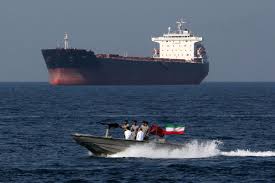
Tehran/Strait of Hormuz – The global economy is teetering on the edge of an energy shock as Iran’s Parliament has voted to shut down the Strait of Hormuz—a move that, if enacted, would effectively throttle a fifth of the world’s oil supply. The provocative decision comes just days after U.S. forces launched precision airstrikes on Iranian nuclear facilities at Fordow, Natanz, and Isfahan, sparking fears of a direct military confrontation and the worst energy disruption in decades.
Though the final green light must come from Iran’s Supreme National Security Council, the parliamentary vote is being seen as a powerful signal of Tehran’s intent to weaponize its geographic control over the strait—through which over 18 million barrels of oil pass daily.
The shockwaves were immediate. Oil prices surged above $110 per barrel within hours, and global markets reeled amid rising insurance costs, shipping disruptions, and mounting talk of war. Tanker operators are pulling back, rerouting, or pausing Gulf operations as the Pentagon increases surveillance and mobilizes assets for potential escort missions in the Persian Gulf.

“This is not just about oil. This is about power,” said an unnamed senior analyst at the International Crisis Group. “Iran is daring the world to choose between confrontation and collapse.”
U.S. Secretary of State Marco Rubio described Iran’s move as “economic self-destruction,” warning that any attempt to seal off the strait would provoke “a direct and overwhelming response.” He also called on China, one of Iran’s main oil buyers, to step in diplomatically and “choose global stability over regional adventurism.”
Iranian hardliners argue that the U.S. crossed a red line by striking nuclear sites and that blocking Hormuz is Tehran’s only remaining leverage. Analysts, however, warn that such a closure could escalate into a broader Gulf war involving the U.S., Israel, Gulf Arab states, and potentially Russia.
For now, the world watches anxiously. A single decision in Tehran could determine whether oil keeps flowing—or the globe plunges into an energy and security crisis not seen since the 1973 oil embargo or the 1980s tanker wars.