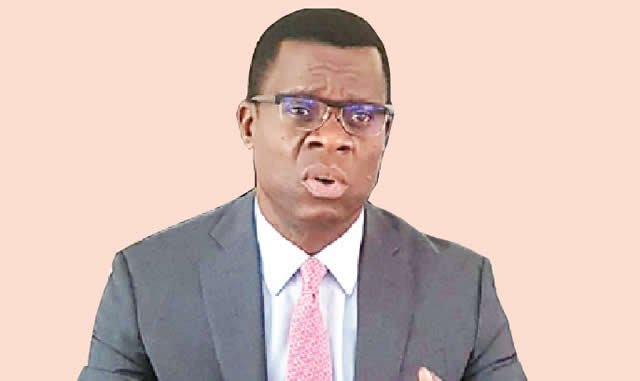
Presidential candidate of the Social Democratic Party (SDP) in the 2023 general elections, Prince Adewole Adebayo, has sharply criticised President Bola Ahmed Tinubu’s recent visit to Benue State, describing it as a missed opportunity to show genuine leadership in the face of human tragedy.
In a series of scathing remarks posted on his official X handle, Adebayo accused the President and the political elite of turning a national crisis into a campaign rally, while ignoring the deeper failure that led to the loss of innocent lives.
“Instead of addressing the painful reality of a massacre, the event was turned into a sickening town hall where 2027 politics took centre stage,” he wrote. “How could any serious government respond to such carnage with a speech focused on the President’s ‘sacrifice’ in visiting?”
For Adebayo, the tragedy in Benue was not just about the bloodshed—it was a reflection of Nigeria’s deeper governance crisis. He lamented what he called the “complete breakdown” of moral and constitutional responsibility among those in power.
“No observer would believe that the people of this great state have just suffered a dastardly and gruesome massacre merely a few days ago,” he stated.
But Adebayo reserved his strongest words for the traditional rulers in the region, who, rather than mourn with their people, used the occasion to pledge political loyalty to President Tinubu.
“That the traditional rulers felt compelled to endorse Tinubu for a second term in 2027 on such a sombre occasion is both pathetic and undignified,” he wrote. “It is a clear sign that our political and traditional leadership has lost its soul.”
Calling for a radical shift in Nigeria’s political culture, Adebayo concluded, “We cannot continue like this. A new direction is inevitable. Nigeria must rise above this cycle of poverty, insecurity, and political insensitivity. May God help Nigeria.”
The remarks have sparked renewed debate about the role of political optics in times of national crisis, and whether current leaders are truly capable of rising above partisanship when lives are on the line.
Benue Killings: Adebayo Slams Tinubu’s Visit as Political Spectacle Amid Grief