In a major show of fiscal strength, the Federal Government on Tuesday announced that a total of ₦1.659 trillion was shared among the three tiers of government for the month of May 2025.
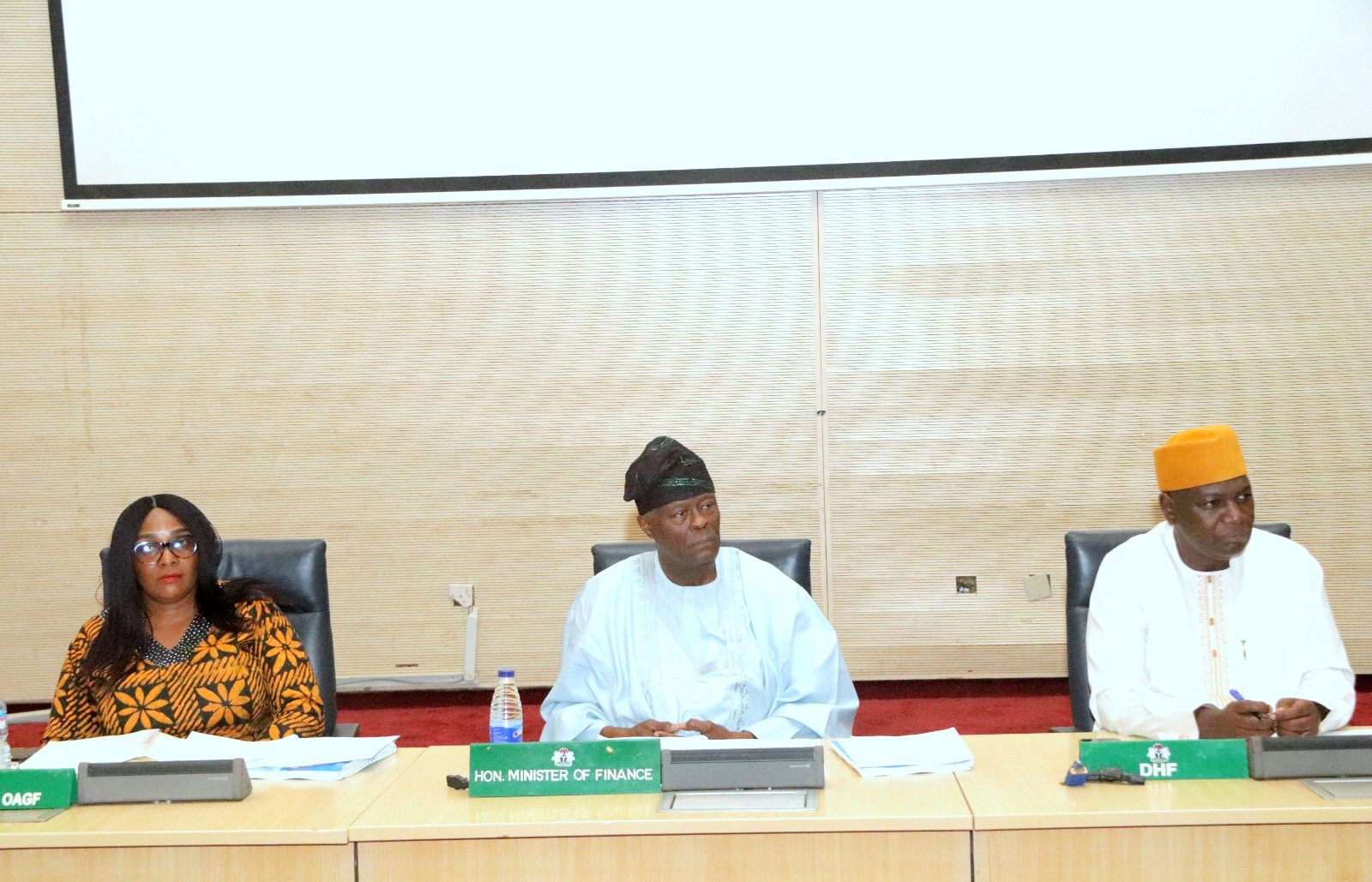
The announcement followed the monthly meeting of the Federation Account Allocation Committee (FAAC), chaired by the Minister of Finance and Coordinating Minister of the Economy, Wale Edun.
The revenue was drawn from a gross inflow of ₦2.942 trillion, underscoring a surge in Value Added Tax (VAT), Companies Income Tax (CIT), and import duties—key indicators of economic activity.
The disbursement is coming at a time when state and local governments are grappling with rising costs and citizens are demanding more transparency and impact from public funds.
A breakdown analysis of the disbursement indicated that the Federal Government received ₦538.004 billion, States took home ₦577.841 billion and Local Government Councils received ₦419.968 billion.

Oil-producing states were allocated ₦124.076 billion as 13% derivation revenue.
In addition, ₦111.9 billion went to the Federal Inland Revenue Service (FIRS), Nigeria Customs Service (NCS), and other collecting agencies as cost of collection, while ₦1.171 trillion was earmarked for special transfers, interventions, and refunds.
One of the most notable jumps came from VAT collections, which rose to ₦742.820 billion in May from ₦642.265 billion in April — an increase of over ₦100 billion. After deductions, the net VAT revenue distributed stood at ₦691.714 billion, with states and local governments taking the lion’s share.
Electronic Money Transfer Levy (EMTL) contributed ₦28.820 billion, while Exchange Gains added another ₦76.614 billion to the distributable pool.
While non-oil revenues showed strong performance, the communique revealed a decline in key oil-related taxes including Petroleum Profit Tax, Oil & Gas Royalties, and EMTL—highlighting ongoing volatility in Nigeria’s petroleum sector.
Still, Minister Edun lauded the progress made, saying the revenue distribution aligns with President Tinubu’s economic agenda centered on transparency, growth, and equitable development.
“We are building a culture of accountability in revenue sharing,” Edun said. “Our goal is to ensure that every kobo distributed from the federation account drives real development across Nigeria’s 774 local governments, 36 states, and the FCT.”
The substantial rise in VAT and CIT collections could be a positive signal for the broader economy, reflecting improved compliance and a rebound in business activity. However, analysts warn that without improved transparency in how funds are used, these gains may not translate to tangible improvements in infrastructure, education, healthcare, or security.
With ₦1.659 trillion now in circulation across all levels of government, all eyes will be on state governors and local authorities to deploy these funds effectively and deliver results for the Nigerian people.