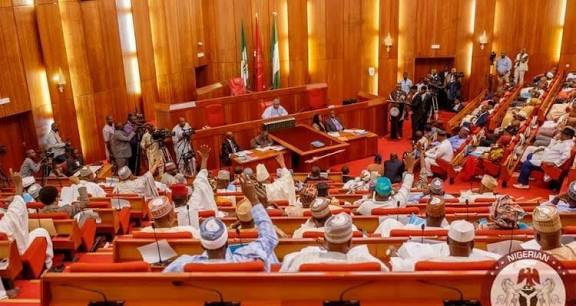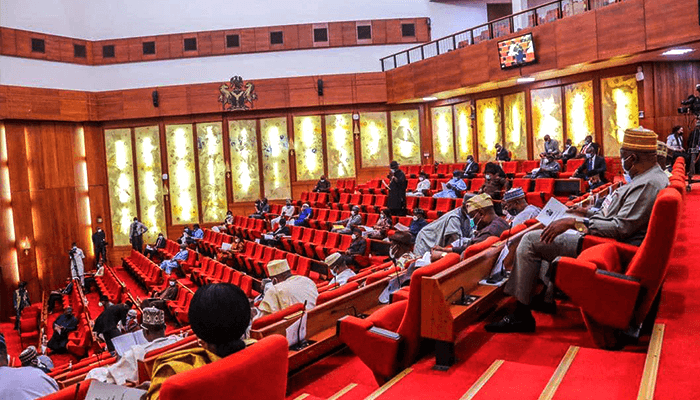
The Nigerian Senate has expressed deep frustration and anger over the latest wave of killings in Benue State, declaring that it is “tired of mourning” as violence and bloodshed continue to ravage communities across the country.
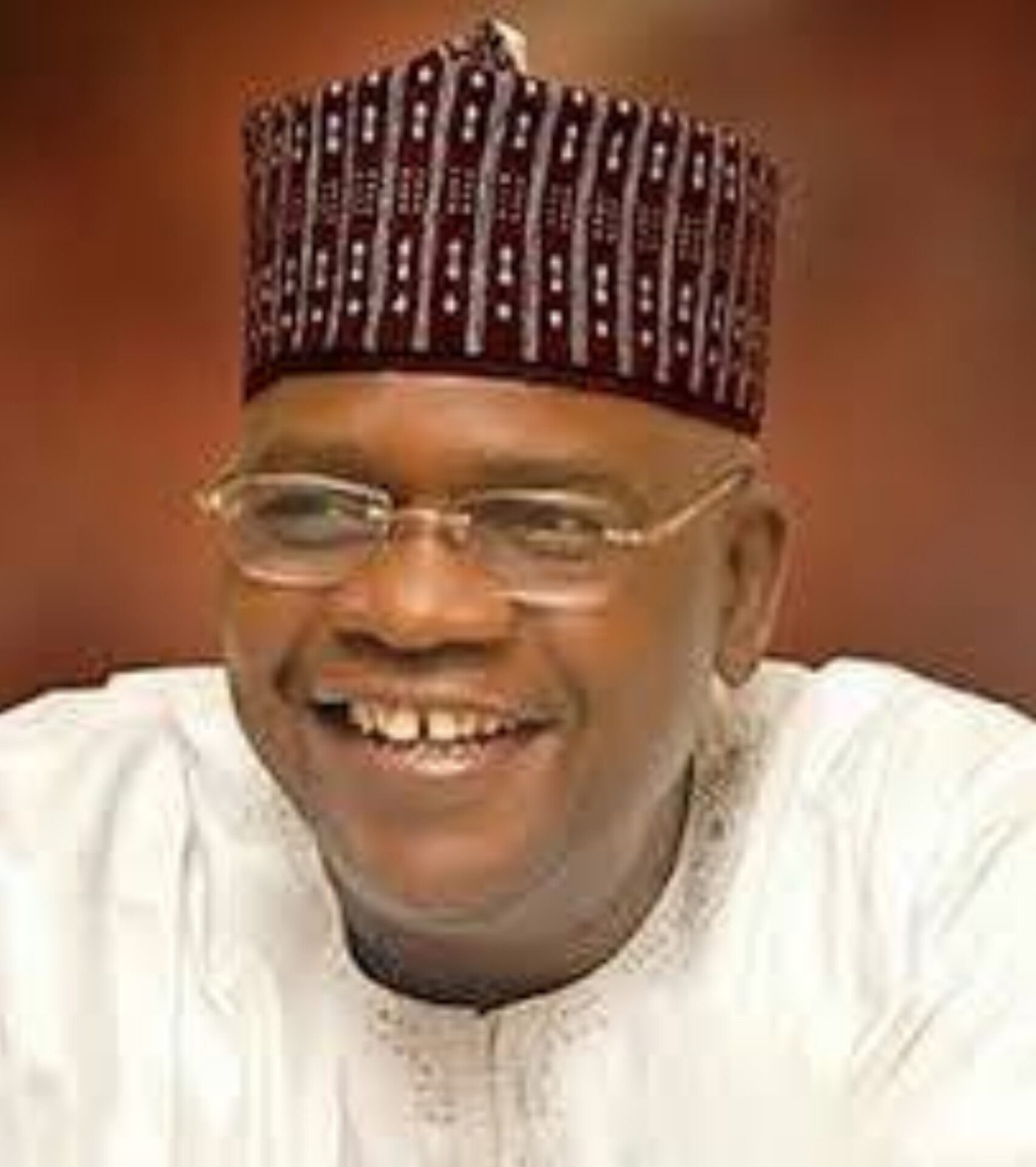
Addressing journalists in Abuja on Tuesday, Senate Spokesperson Senator Yemi Adaramodu described the recent massacre of over 100 people in Yelwata, Benue State, as another heartbreaking reminder of the nation’s failing security architecture.
“From Plateau to Benue to Zamfara, we keep burying our people. The Senate is heartbroken. We are angry. We are tired of writing condolence letters,” Adaramodu stated.
“We are tired of mourning. The time has come to act.”

He announced that a high-powered Senate delegation will visit Benue State on Wednesday to commiserate with victims’ families and assess the situation on ground.
“This visit will show that this government — both the legislature and the executive — is serious. This is not business as usual.”
Adaramodu also disclosed that the National Assembly, in collaboration with the Presidency and civil society, is working on convening a broad-based National Security Summit. The summit will bring together military commanders, traditional rulers, youth and women leaders, and media stakeholders to explore lasting solutions.
“Security must become local again. Communities know their terrain and the threats they face. We need to return power to the people while supporting them with state capacity.”
He affirmed that the National Assembly has already fulfilled its responsibility by passing the 2024 Supplementary Budget and transmitting all security-related bills to the Presidency.
“There’s no delay. No confusion. The Senate and House have done their part. The bills are now with the President.”
Responding to public concerns about the Senate’s emergency resolutions, Adaramodu clarified that all procedures followed constitutional and legislative rules, including closed sessions for sensitive decisions.
“People often misunderstand the process. We act in line with our Standing Orders and the Constitution. Not everything happens in front of cameras.”
He also dismissed the perception that lawmakers are often idle, stating that the Senate works beyond plenary sessions—through committee work, oversight, and investigations.
“We sit more than the constitution requires. During recess, we still work. Investigations, oversight, and constituency engagements continue.”
Citing recent probes, Adaramodu said the Senate has exposed hidden debts and financial mismanagement from previous administrations—challenges the current government is now confronting head-on.
“We inherited a mess. But instead of drama, we’re focused on solutions. That’s real governance.”
He pointed to the restoration of a disputed 5% allocation as a quiet but important example of legislative correction that made a tangible impact.
Still, the emotion behind the briefing underscored the Senate’s resolve.
“Our people can no longer sleep. Mothers are burying their children. Entire communities are being erased. This must not be our normal. It will not be our normal,” Adaramodu said.
“The Senate will not sit by and watch this happen again.”
As the nation continues to grieve, the question now is whether this moment of reckoning will translate into meaningful reform — and whether the Senate’s anger will become a catalyst for a safer and more secure Nigeria.