
By Ahmed Rufa’i, Dutse
As part of efforts to combat desertification and restore degraded land, the Jigawa State Government, in partnership with the World Bank, is implementing environmental protection and land restoration projects valued at N200 billion across the state.
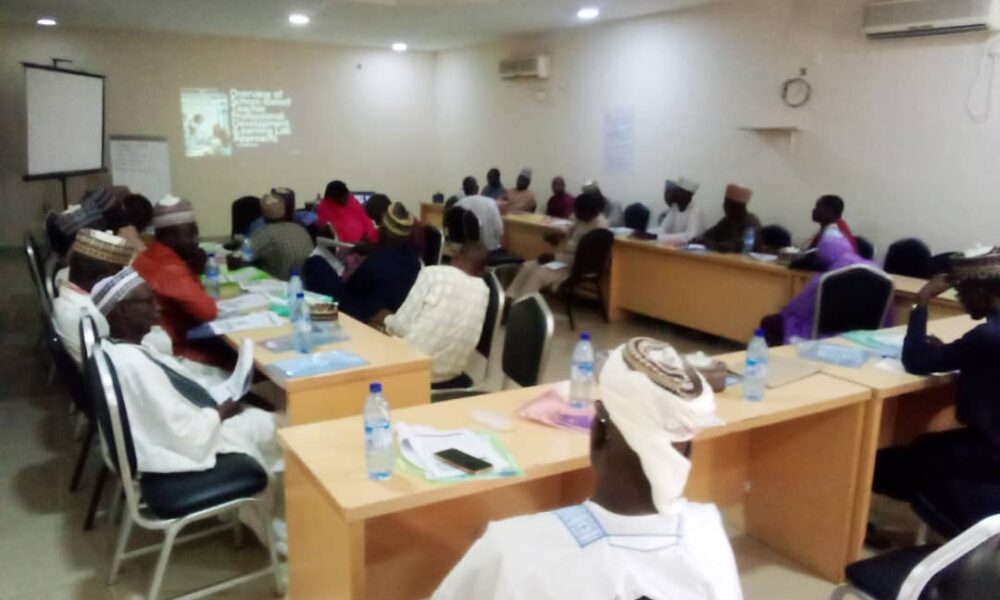
The disclosure was made by the Commissioner for Environment and Climate Change, Dr. Nura Ibrahim, during an event to mark the 2024 World Desertification and Drought Day, held at the Manpower Development Institute, Dutse. The event was organized by the Jigawa State Environmental Protection Agency (JISEPA) with support from the United Nations Children’s Fund (UNICEF).
According to the commissioner, the projects are being executed under the Agro-Climatic Resilience in Semi-Arid Landscapes (ACReSAL) initiative. The interventions include land restoration, erosion control, river desiltation, tree seedling production, shelterbelt establishment, and roadside tree planting.
“Key land restoration efforts include sand dune stabilization in Jahun, Kiyawa, and Miga Local Government Areas, as well as ongoing gully erosion control at Kargo and Danmasara in Dutse,” Dr. Ibrahim stated.
He highlighted the theme of this year’s celebration—“Restore the Land, Unlock the Opportunities”—noting that the Jigawa State Government’s 12-point agenda prioritizes land restoration and sustainable landscape management.
Dr. Ibrahim revealed that a large-scale afforestation and reforestation initiative involving the planting of 5.5 million trees is underway across the state’s 27 local government areas. He emphasized a new focus on drought-resistant economic and indigenous trees, which will help both restore ecosystems and boost local livelihoods.
The commissioner also acknowledged the collaborative role of agencies like ACReSAL and the National Agency for the Great Green Wall (NAGGW) in implementing both engineering and vegetative solutions aimed at restoring farmlands, protecting water channels, and rebuilding rural infrastructure.
“This approach not only reclaims degraded land but also strengthens community livelihoods and preserves biodiversity,” he added.
In his remarks, the Managing Director of JISEPA, Mr. Adamu Sabo, said the agency, in collaboration with partners including UNICEF, has intensified public enlightenment campaigns focused on plastic waste management and land restoration awareness.
Sabo also unveiled a new initiative tagged “Turning Waste to Wealth”, a community-driven recycling program implemented with private sector partners. Under the program, women and youth are trained to collect plastic waste—such as polythene and rubber—for conversion into useful products like bags and baskets.
“This initiative kills two birds with one stone—cleaning the environment while improving livelihoods through recycling and creative reuse,” he said.
The celebration emphasized the importance of sustainable environmental practices, local innovation, and inclusive action in the fight against desertification and climate-induced land degradation.