A chilling reality is returning to Borno State as Governor Babagana Umara Zulum has publicly admitted that the state is once again losing ground in the battle against Boko Haram and other terror groups.
Speaking at a high-level Expanded Security Meeting on Tuesday, Governor Zulum expressed deep frustration over the recent wave of attacks, abductions, and the weakening grip of military presence across several local government areas.
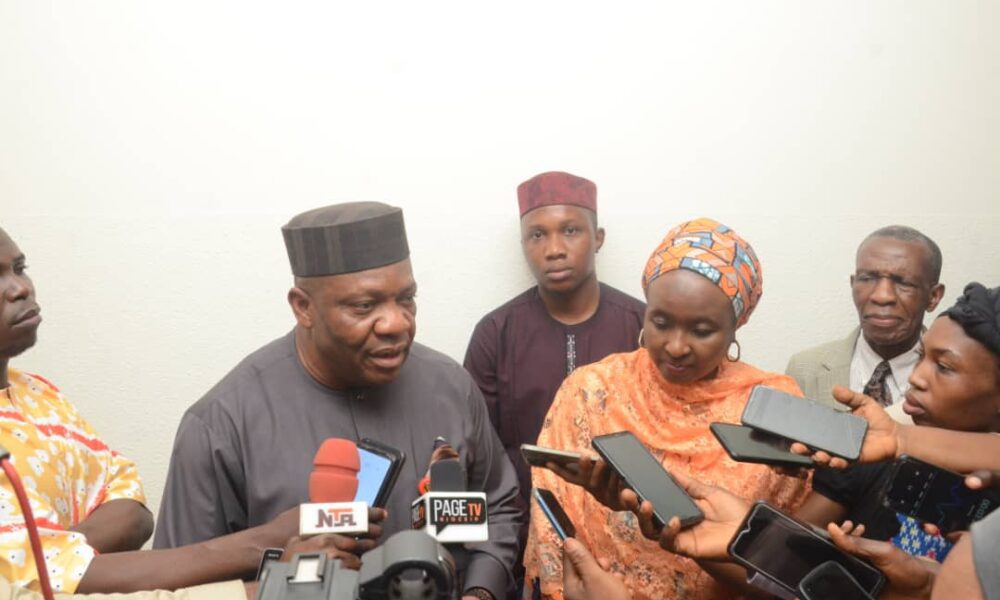
The meeting, which brought together top military commanders, heads of security agencies, and traditional rulers including the Shehu of Borno, was convened to address escalating insecurity in the state — a situation Zulum described as a “disturbing setback” to years of hard-won relative peace.

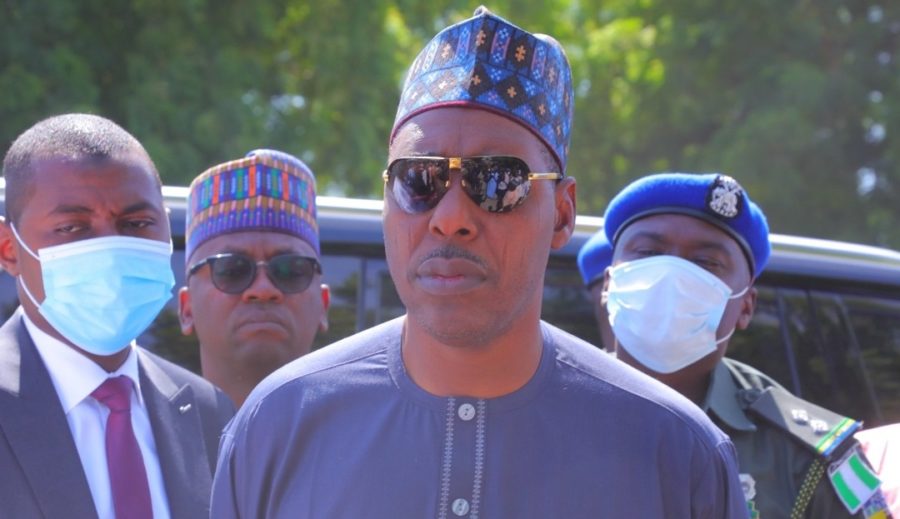
“It is unfortunate that these renewed Boko Haram attacks and daily kidnappings are happening without resistance. It signals that Borno is, once again, losing ground,” Zulum said in a somber address.
In recent weeks, military bases in Wajirko, Sabon Gari (Damboa), Wulgo (Ngala), and Izge (Gwoza) have been overrun, with civilians and security forces reportedly killed or displaced.
These assaults, the governor warned, could undo the fragile stability the state has enjoyed for the past three years.
Despite acknowledging the efforts of President Bola Tinubu and federal security agencies, Zulum called for a more modern and proactive approach to counterinsurgency.
He urged the government to urgently deploy technological warfare tools, advanced surveillance systems, and better logistical support to the armed forces operating in Borno a state with a highly porous border shared with Chad, Niger, and Cameroon.
Traditional leaders at the meeting echoed his concerns.
The Shehu of Borno, Alhaji Abubakar Garbai Al-Amin El-Kanemi, noted that areas like Guzamala, Marte, Abadam, and parts of Mobbar remain under Boko Haram control, with no visible government or civilian authority.
The Shehu stressed that reclaiming these territories is urgent if normalcy is to return.
He also called on the federal government to fix critical infrastructure — particularly the Biu-Damboa-Maiduguri, Maiduguri-Dikwa-Ngala, and Maiduguri-Monguno-Kukawa roads which are vital for both military mobility and humanitarian access.
The message from Borno is clear: without swift and strategic intervention, the state risks sliding back into the dark days of unchecked insurgency.
As Governor Zulum and stakeholders weigh their options, all eyes are now on Abuja and whether a renewed federal response will rise to meet the threat.