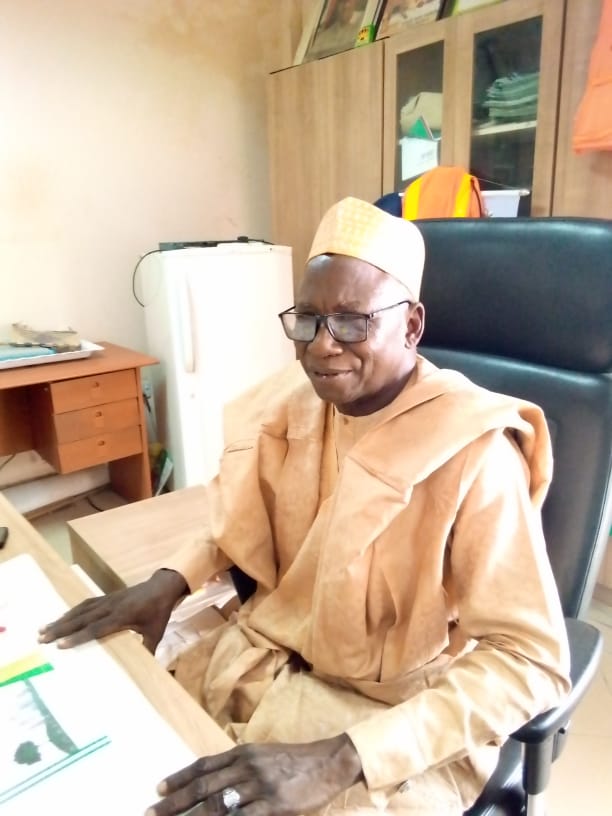
A Syrian-trained educational psychologist, Wael Al Awabdah, has called for a major shift in how children, especially those with special learning needs, are taught in schools, warning that fear-driven classrooms hinder learning and emotional development.
Awabdah spoke during a webinar organised by Solution Nest Education Initiative with the theme Beyond the Cane and Command: The Modern Mystery for Neurodiverse Learning.
According to him, children cannot thrive academically in environments where intimidation, punishment and anxiety dominate the learning process.
“Fear blocks learning. If a child feels afraid, he or she is unlikely to learn anything because the prefrontal cortex, the part of the brain responsible for processing information, shuts down when the learner feels fear or anxiety,” he said.
Awabdah explained that neurodiverse learning recognises conditions such as Autism Spectrum Disorder, Attention Deficit Hyperactivity Disorder and Dyslexia as natural variations in how the brain works, rather than behavioural failures or intellectual weaknesses.
He stressed that children with ADHD, for instance, are not deliberately difficult, but are neurologically wired to respond better to urgency, novelty and immediate engagement than long-term rewards.
The educationist urged teachers to adopt practical methods that support neurodiverse learners, including shorter assignments, predictable routines, sensory-friendly classrooms and regular “brain breaks” to help pupils reset mentally.
He also cautioned educators against interpreting constant movement or emotional meltdowns as acts of disobedience, noting that such behaviours are often signs of neurological overload rather than intentional misconduct.
Awabdah further advised teachers to avoid sarcasm, vague instructions and confusing expressions that may increase anxiety among children struggling to process information differently.
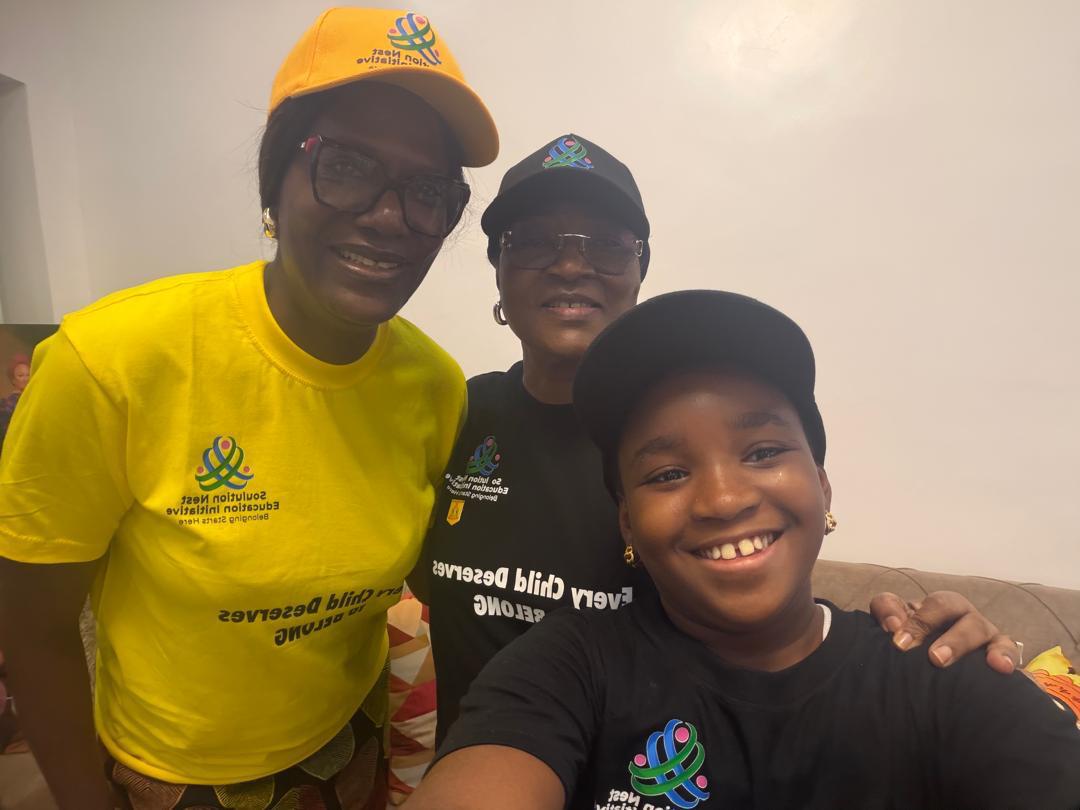
Founder of Solution Nest Education Initiative, Henrietta Ikediashi, shared the personal experience that inspired the organisation’s mission.
She recalled once believing that children with learning difficulties simply needed stricter discipline until a classroom experience in Dubai transformed her understanding of neurodiversity and the emotional struggles many children silently endure.
That moment, she said, opened her eyes to the realities faced by countless Nigerian families hiding children with learning differences due to stigma, misunderstanding and lack of support.
Registered in Nigeria in December 2025, the initiative now focuses on training teachers, supporting parents, strengthening child safeguarding systems and creating opportunities for young people often overlooked by society.
Trustee of the organisation, Olufunke Amos, also underscored the importance of building classrooms rooted in empathy rather than punishment.
She recently served as lead panellist at the webinar, where educators and advocates discussed strategies for creating safer and more inclusive learning environments for neurodiverse children across Nigeria.
Educationist Urges Teachers to Replace Fear With Compassion in Classrooms