


By Friday Idachaba, Lokoja
Conscience for Human Rights and Conflict Resolution (CHRCR) has commended the peaceful conduct of the October 17 local government elections in Kogi State but identified late arrival of electoral officials, inadequate materials and low voter turnout as major shortcomings.
The human rights organisation also blamed inadequate voter education and declining public confidence for the poor participation recorded in several polling units.


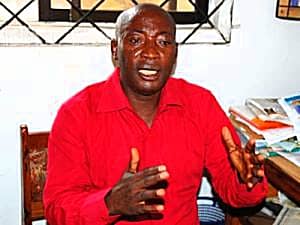
In its election observation report signed by its Executive Director, Idris Miliki Abdul, CHRCR said its observers found that several polling units lacked election officials and materials, contrary to the schedule announced by the Kogi State Independent Electoral Commission (KOSIEC).
It said officials and electoral materials arrived late in locations where they were eventually available, while voter registers and election notices were not displayed at polling units visited.
The report also noted fewer political party agents than expected, raising concerns about the level of party participation in the electoral process.
CHRCR attributed the low voter turnout partly to inadequate information, insufficient motivation and a lack of confidence in the electoral process.
Despite the shortcomings, the organisation said the exercise remained generally peaceful. It commended the early arrival of security personnel at many polling units and acknowledged the presence of election observers and media representatives, particularly in Lokoja.
CHRCR said it participated in pre-election activities, secured accreditation as an election observer and monitored the distribution of electoral materials to local government areas on October 16, a day before the polls.
The exercise was monitored alongside personnel of the Nigeria Police Force, Nigeria Security and Civil Defence Corps and Department of State Services.
The organisation said it had supported voter education and public mobilisation through radio platforms in partnership with KOSIEC and by publishing electoral information in its monthly magazine, The Perspective.
It, however, expressed disappointment over the limited involvement of political parties in voter education and mobilisation, despite their direct interest in the elections.
To address the identified lapses, CHRCR urged KOSIEC to convene a one-day stakeholders’ meeting involving political parties, security agencies, electoral officials, accredited observers and the media to review the exercise and recommend improvements.
It also called for intensified voter education, particularly by political parties, and timely dissemination of electoral information to improve citizens’ confidence in the process.
The organisation urged KOSIEC to publish election results on its newly acquired website, strengthen its social media presence and adopt digital technology to improve electoral administration.
It further appealed to the state government to provide the commission with a permanent headquarters equipped with modern facilities and establish permanent offices across the state’s 21 local government areas.
CHRCR advocated the professionalisation of KOSIEC’s workforce, arguing that frequent transfers of personnel from ministries and other government agencies could undermine the development of specialised election-management skills.
The group also called for the prompt release of funds due to the commission under the amended 2025 Local Government Law and urged political parties to comply with electoral laws and participate actively in the process.
It cautioned citizens against spreading fake news and misinformation before, during and after elections, while encouraging civil society organisations and international development partners to pay greater attention to local government polls.
While appreciating the collaboration among civil society groups, the media and KOSIEC, CHRCR commended political parties and their candidates for maintaining peace before, during and after the elections.
The organisation urged the electoral commission and other stakeholders to address the shortcomings to strengthen grassroots democracy and rebuild public confidence.
It also advised aggrieved candidates and political parties to seek redress through the appropriate election tribunal rather than resort to violence, stressing that sustained citizen participation remained vital to democratic development at the grassroots.