


The Obidient Movement has opened a fresh battle with the Independent National Electoral Commission (INEC) over the use of Artificial Intelligence in the collation of results for the 2027 elections, insisting that technology must not become a black box through which the votes of Nigerians can be altered or obscured.
The movement’s objection came after INEC indicated that AI would form part of the technology to be deployed in the 2027 electoral process, despite the commission’s admission that its AI governance framework was still being developed.
In a statement on Wednesday signed by its Media and Communications Directorate, Onyeka Dike, the movement said the central issue was not whether technology should be used in elections, but whether Nigerians would be able to independently verify how votes cast at polling units ultimately translate into declared results.
It demanded that INEC abandon the proposed use of AI in results collation until Nigerians are presented with a clear, transparent and independently auditable framework.
The group argued that the credibility of the 2027 election would depend less on sophisticated technology than on whether every result could be traced from the polling unit to the final declaration.
According to the movement, the experience of the 2023 elections should have taught INEC that public confidence cannot be restored by introducing more technology without simultaneously strengthening transparency and accountability.
It recalled the controversy surrounding the electronic transmission and viewing of results during the 2023 election, alleging that the commission’s handling of the process deepened public distrust.
The movement also took issue with INEC Chairman’s warning against media organisations and individuals announcing results not officially declared by the commission.
While acknowledging INEC’s statutory authority to make official declarations, it said the commission must equally ensure that the underlying results are accessible and independently verifiable.
The group said Nigerians should not be required to simply trust INEC’s technology, algorithms or officials when determining the outcome of an election.
It further raised questions over allegations circulating about alleged links between INEC leadership and political actors ahead of 2027, including a claim that the INEC Chairman travelled to France with President Bola Tinubu, FCT Minister Nyesom Wike and other APC-linked figures.
The Obidient Movement acknowledged that the claim was a rumour but said the allegation, coupled with INEC’s insistence on AI, had increased concerns about the commission’s independence.
It said the solution was not for INEC to demand greater public trust, but to provide Nigerians with greater access to the evidence behind every result.
The movement therefore demanded the publication of Forms EC8A, EC8B, EC8C, EC8D and EC8E on the IREV portal, arguing that the documents would allow voters, parties, observers and journalists to follow the results through every stage of the collation process.
It also demanded an independently auditable framework covering every technology to be deployed during the 2027 elections.
The movement warned that no algorithm, software, server, electoral official or political party should have the power to determine an election outcome beyond what voters actually recorded at the polling units.
“The votes of Nigerians belong to Nigerians,” the statement said.
“In 2027, Nigerians will not surrender their votes to technology, bureaucracy or manipulation. Every vote must count, every result must be verifiable, and the true choice of the Nigerian people must prevail.”
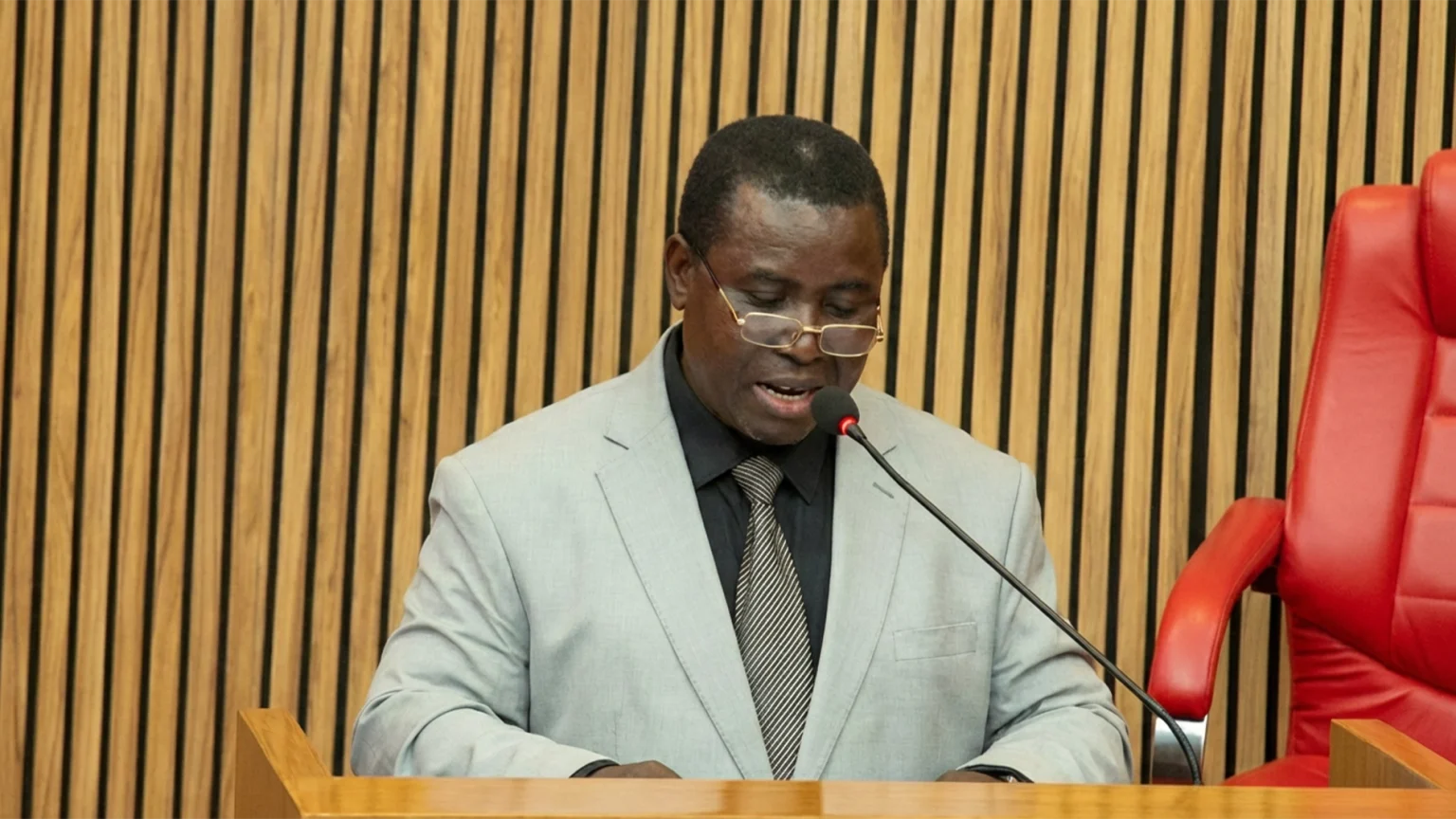
Joash Amupitan
