


With 100 days to the 2027 general elections, the Independent National Electoral Commission (INEC) has entered the final stretch of preparations with a voter register of 103,428,715 Nigerians, even as funding gaps and security concerns threaten to complicate the massive electoral exercise.
The commission said it needed the prompt release of its outstanding budgetary allocations to complete procurement, logistics and other critical preparations before the polls.
INEC Chairman, Prof. Joash Amupitan, raised the concerns on Tuesday in Abuja at a World Press Conference and National Stakeholders’ Meeting marking 100 days to the elections.
The countdown comes as the commission moves from planning and tendering into the production, delivery, testing and deployment of election materials and technology.
INEC said it had awarded contracts for additional Bimodal Voter Accreditation System (BVAS) machines, voting cubicles and ballot boxes, while construction of BVAS storage facilities and local council offices was ongoing.
The commission plans to deploy 57,000 additional BVAS devices and engage 1,414,768 ad hoc personnel for the two phases of the elections.
The scale of the operation is considerable, with personnel and materials to be moved to 176,846 polling units across 8,838 registration areas nationwide.
INEC said its logistics plan would involve more than 100,000 vehicles and 4,000 boats, particularly to reach difficult riverine, mountainous and remote communities.
103 million voters
The latest register followed the conclusion of the three-phase Continuous Voter Registration exercise and biometric clean-up, which produced 10,772,421 new registrations.
The North-West accounts for the largest share of the register, with 25,083,411 voters, representing about 24.25 per cent of the national total.
It is followed by the South-West with 19,614,274, North-Central with 16,965,787, South-South with 15,823,550, North-East with 13,965,475, while the South-East has 11,976,218.
At the state level, Lagos has the highest number of registered voters with 7,488,633, followed by Kano with 6,570,276, Kaduna with 4,662,640, Katsina with 3,876,051 and Rivers with 3,736,434.
Ekiti has the lowest register with 1,055,708, followed by Bayelsa with 1,200,691.
The commission is also expected to subject the register to further public scrutiny as preparations enter the final phase.
While the voter register has expanded significantly, security remains one of the major issues confronting the electoral process.
The Nigeria Police Force said it was reviewing the security situation in vulnerable parts of the country and conducting clearance operations around Kogi, Niger, Benue and Taraba states.
Inspector-General of Police, Olatunji Disu, said security arrangements would cover polling units, movement and protection of election materials, collation centres and the final stages of result management.
INEC also listed vote-buying, election-related disinformation, deepfakes, logistics and security as major risks to the credibility of the polls.
The commission is responding to the technological challenge with an AI-based election-monitoring system.
It said a six-day stress test of configured election devices would take place from October 23 to 28, following the establishment of an Artificial Intelligence Division within its ICT Department.
Beyond security and technology, Amupitan warned that funding could determine how smoothly the commission completes its remaining preparations.
He said INEC had moved into active implementation of its electoral plans but still required outstanding budgetary releases to prevent disruption in the final phase.
The chairman also linked improved welfare of election personnel to accountability, saying INEC staff needed better remuneration if the commission was to demand higher standards from them.
The European Union Ambassador to Nigeria and ECOWAS, Gautier Mignot, meanwhile, described the 2027 elections as a crucial test for Nigeria’s democracy and pledged continued support for INEC.
He said the electoral commission’s task extended beyond its leadership to hundreds of thousands of Nigerians who would participate in the conduct of the elections.
With just 100 days remaining, the focus has therefore shifted from electoral planning to execution — securing vulnerable areas, funding outstanding operations, testing technology, deploying personnel and ensuring that more than 103 million registered voters can participate in the process.
INEC said the remaining period would be critical to delivering elections that meet standards of transparency, integrity and peaceful participation.
This version puts the 100-day deadline and operational pressure at the centre, while using the 103.4 million voter register and security/funding concerns as the main supporting pillars.
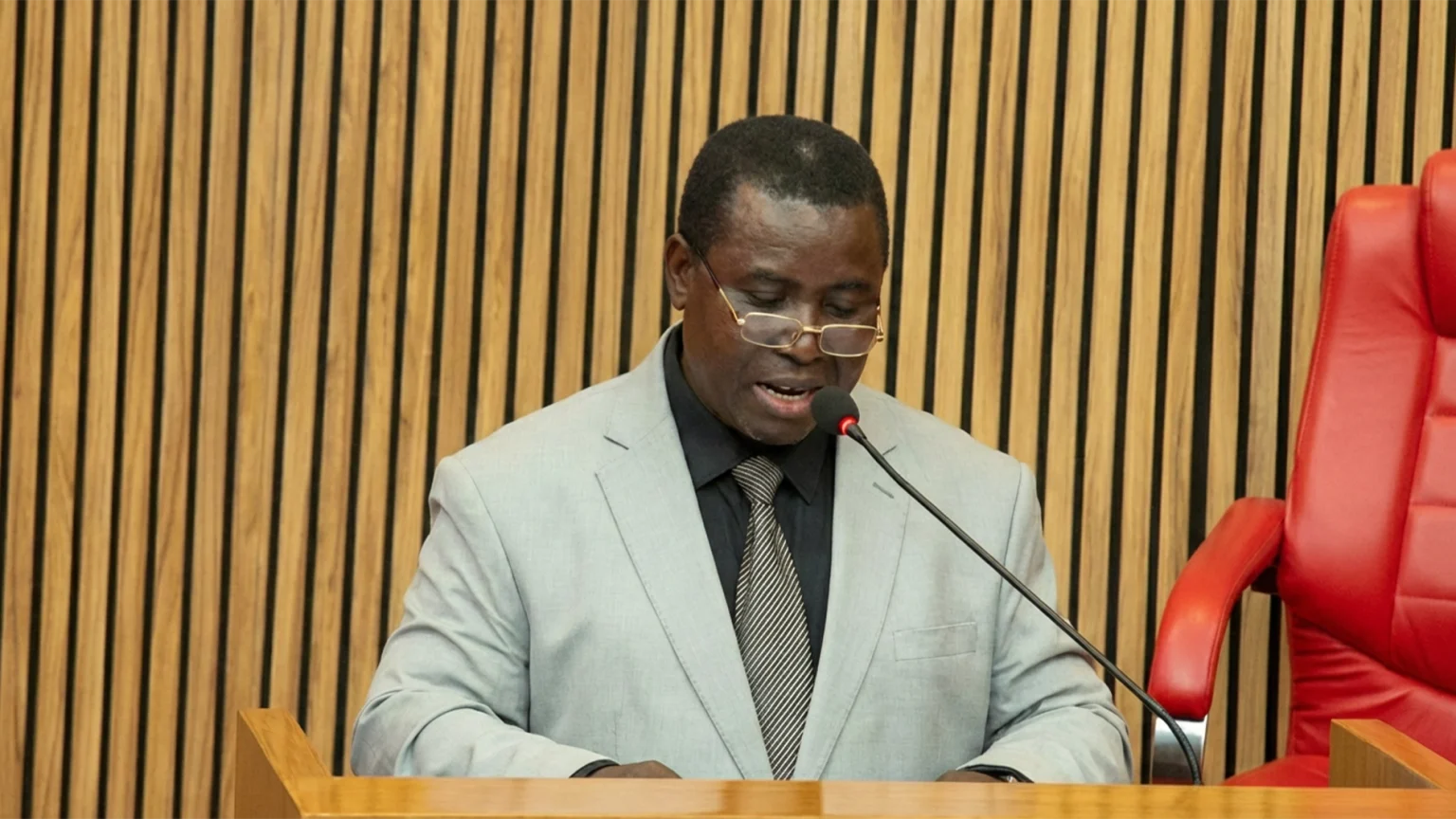
Joash Amupitan
