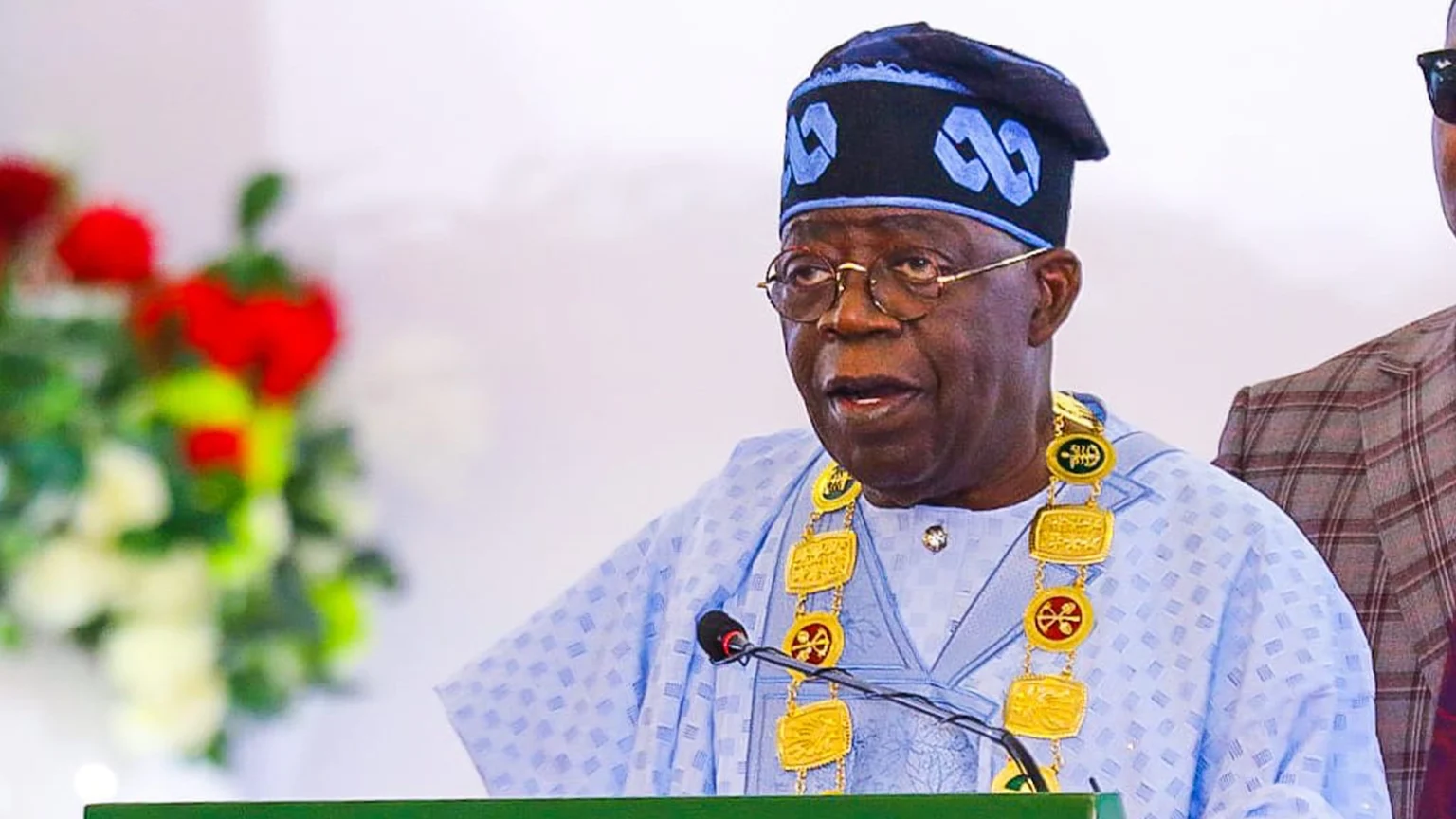
The Nigerian Senate has received separate loan requests from President Bola Ahmed Tinubu seeking approval for a combined $6 billion external financing programme, aimed at strengthening government liquidity and revitalising critical infrastructure.
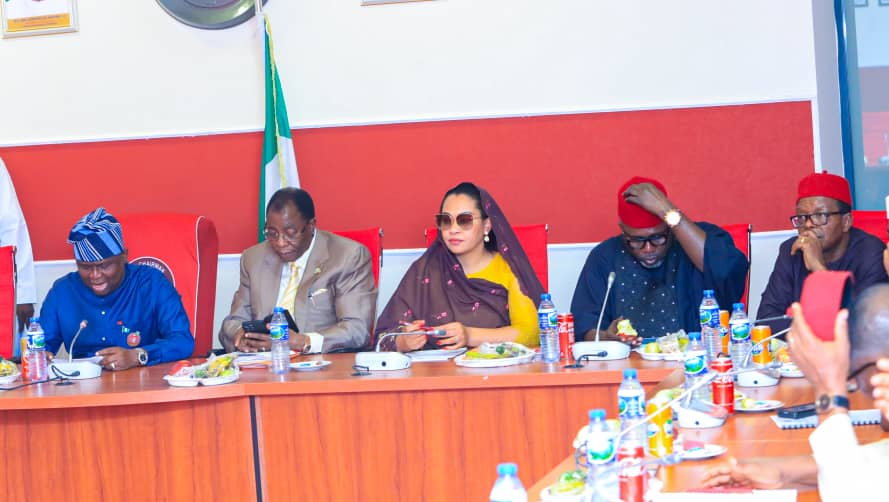
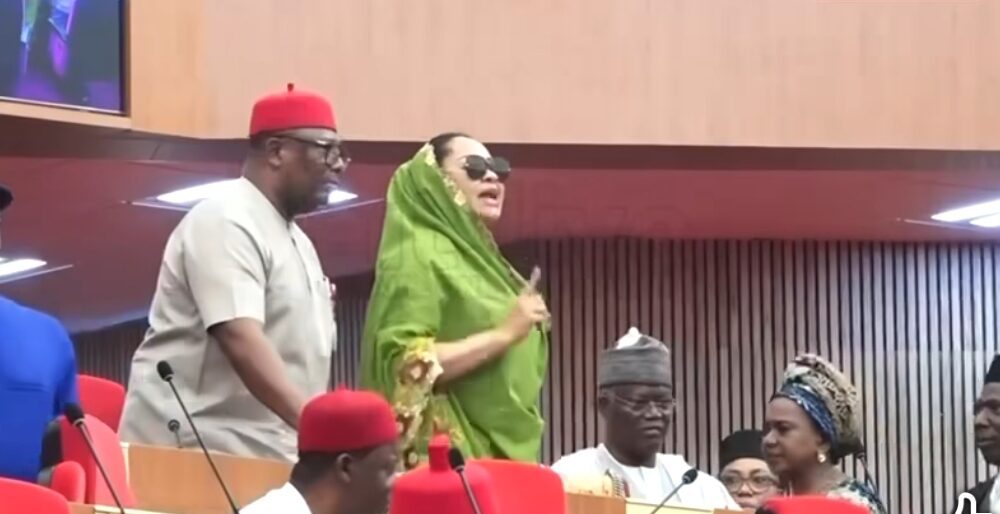
The requests were read during plenary by Senate President Godswill Akpabio, who disclosed that the correspondence was transmitted to the National Assembly during its recent recess.
At the centre of the proposal is a $5 billion Structured Total Return Swap (TRS) derivative financing arrangement to be executed with First Abu Dhabi Bank. The facility is designed to be disbursed in tranches to support federal funding needs, enhance liquidity, and improve fiscal management.
President Tinubu said the request complies with provisions of the Debt Management Office (Establishment) Act, 2003, which mandates legislative approval for external borrowing.
According to details presented to lawmakers, the TRS programme will support budget implementation, infrastructure development, and refinancing of existing debts, while also providing flexibility to meet urgent financial obligations. The arrangement will involve the issuance of naira-denominated Federal Government securities as collateral, alongside dollar-based margin commitments under agreed conditions.
The President acknowledged concerns about Nigeria’s rising debt profile, which stood at about $110.3 billion as of December 2025, with debt servicing projected at ₦20.5 trillion for 2026. He, however, assured that the phased drawdown structure would help manage debt sustainability risks.
In a separate request, Tinubu also sought Senate approval for a $1 billion loan facility backed by UK Export Finance and arranged by Citibank (London Branch), to rehabilitate the Lagos Port Complex (Apapa) and Tin Can Island Port.
The project targets the overhaul of ageing infrastructure at the two facilities, which handle the bulk of Nigeria’s seaborne trade but have suffered decades of deterioration.
Tinubu described the intervention as a strategic modernisation effort to restore efficiency, improve safety standards, and align Nigeria’s ports with global best practices. He noted that inefficiencies at the ports have contributed to cargo diversion to neighbouring countries, particularly Cotonou, undermining Nigeria’s competitiveness as a maritime hub.
The port rehabilitation project, already approved by the Federal Executive Council, will be implemented under an Engineering, Procurement, Construction and Finance (EPC+F) model.
A breakdown of the facility shows:
$429.7 million allocated to Lagos Port Complex
$571.1 million for Tin Can Island Port
The loan is expected to run for up to 14 years, with a drawdown period of 48 months.
Following the reading of the requests, Senate President Akpabio referred both proposals to the Senate Committee on Local and Foreign Debts for urgent review and recommendations.
Lawmakers are expected to weigh the fiscal implications of the borrowing plans against Nigeria’s growing infrastructure needs and financing gaps, as the Tinubu administration intensifies efforts to expand access to international capital and drive economic growth.