The Nigerian Ports Authority (NPA) has projected a revenue target of N1.489 trillion for the 2026 fiscal year, as it accelerates plans to overhaul key port infrastructure in Lagos and strengthen Nigeria’s maritime competitiveness.
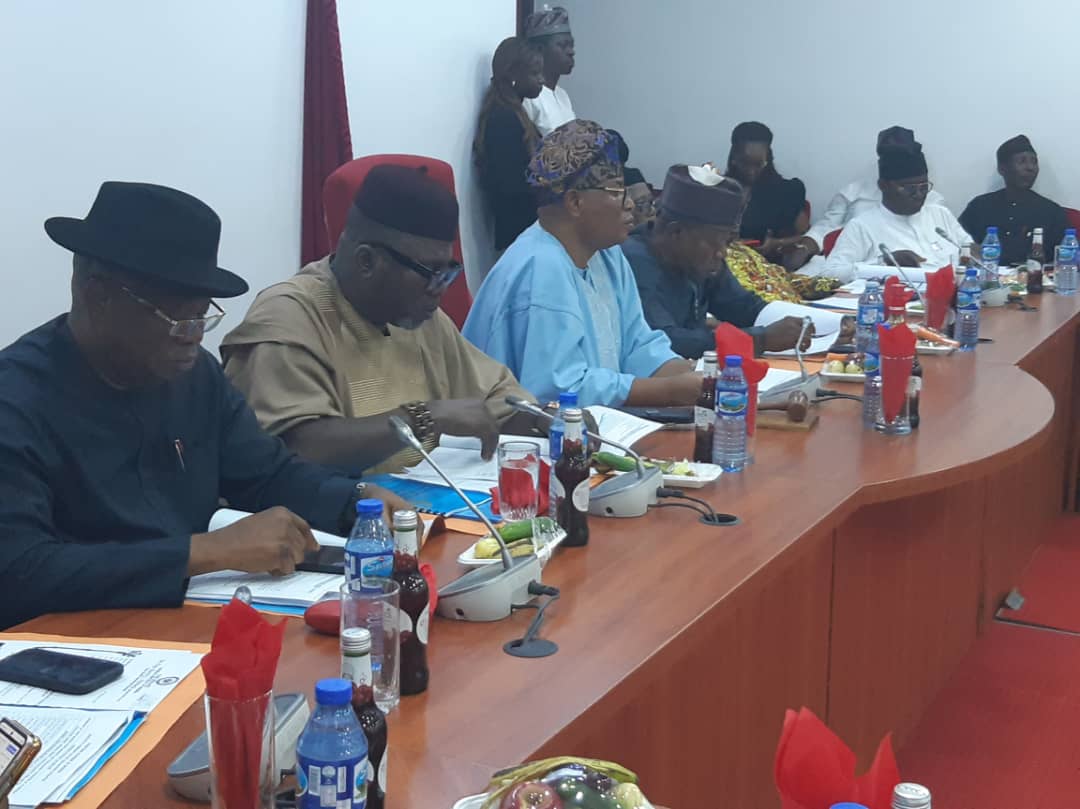
Managing Director of the agency, Abubakar Dantsoho, presented the proposal on Monday during the budget defence before the Senate Committee on Marine Transport, describing it as a strategic push to reposition the sector for global relevance.
The new target reflects a N21 billion increase over the 2025 benchmark of N1.468 trillion, which the agency surpassed with an actual revenue performance of N1.97 trillion.
A major focus of the 2026 plan is the modernisation of two of Nigeria’s busiest ports—Apapa Port and Tin Can Island Port—both of which Dantsoho described as outdated and overstretched.
He noted that Apapa Port is nearly 100 years old, while Tin Can Island Port has operated for over five decades, with both now facing capacity and infrastructure challenges that limit efficiency in handling modern cargo.
“Groundbreaking for their modernisation will commence in the next two to three weeks,” he said, signalling the start of what could be a landmark upgrade in Nigeria’s maritime sector.
The proposed budget is anchored on the theme, “Consolidation, renewed resilience and shared prosperity,” with infrastructure expansion identified as the central driver of increased revenue.
Of the N1.489 trillion projection, N945 billion is allocated to capital projects, largely tied to port upgrades, while N447.5 billion will cover operational expenses. Another N90.6 billion is earmarked for remittance into the Consolidated Revenue Fund.
Dantsoho also addressed financial governance concerns, reiterating that all NPA revenues are remitted into the Treasury Single Account managed by the Central Bank of Nigeria.
“We do not retain any funds. The Central Bank is the signatory, and we must apply for funds whenever needed,” he explained.
Chairman of the Senate Committee on Marine Transport, Wasiu Eshinlokun, said the legislature’s engagement with the NPA is aimed at strengthening institutional capacity and ensuring efficient use of public funds, rather than confrontation.
“Our goal is to work with you to strengthen institutional capacity, eliminate inefficiencies and ensure that every naira appropriated serves the public interest,” he said.
With ambitious revenue projections and long-awaited infrastructure upgrades in view, the NPA appears poised to leverage modernization as a pathway to unlocking Nigeria’s maritime potential and boosting its global trade standing.
NPA Targets N1.489trn, Sets Course to Modernise Lagos Ports for Global Trade