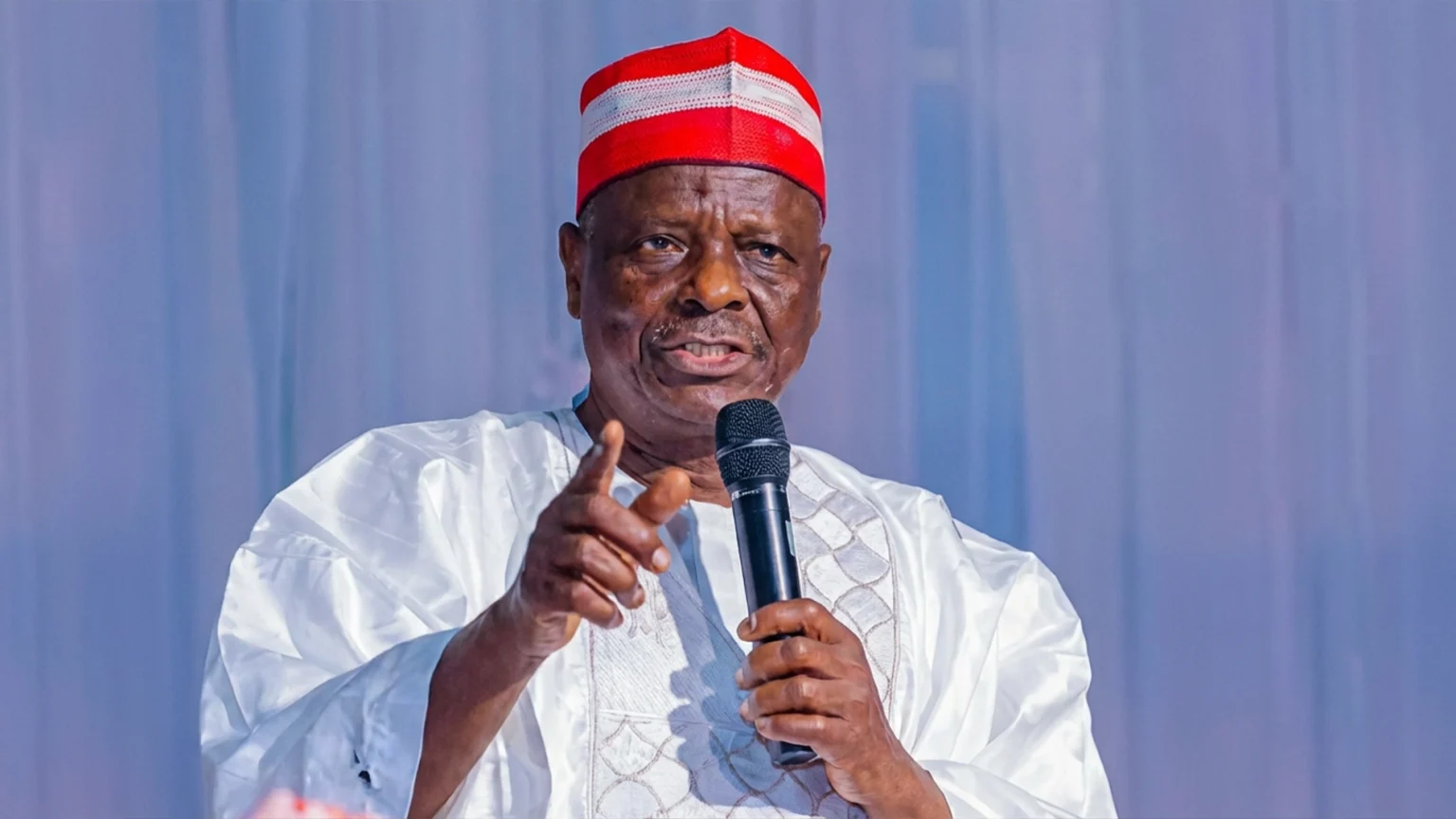
Former Kano State governor and prominent political figure, Rabiu Musa Kwankwaso, has announced his resignation from the New Nigeria People’s Party (NNPP), in a move that signals a significant realignment in Nigeria’s political landscape.
In a statement released on Sunday, Kwankwaso said the decision, though difficult, became necessary in view of evolving political realities and the need to reposition for greater national impact. He noted that recent developments in the country’s political space required a strategic shift toward a platform better suited to achieving his vision for Nigeria.
The former presidential candidate expressed gratitude to the NNPP leadership, including National Chairman Ajuji Ahmed, as well as members of the National Working Committee, Board of Trustees, and party faithful across all levels for their support during his time in the party.
Kwankwaso also paid tribute to the Kwankwasiyya Movement, acknowledging the loyalty and commitment of his supporters nationwide. However, he made it clear that the movement would now chart a new course alongside him.
In what appears to be a coordinated transition, the politician has directed his loyalists to prepare to move with him to the African Democratic Congress (ADC), where he is expected to formally register as a member.
A statement by the spokesperson of the Kwankwasiyya Movement confirmed that all arrangements have been concluded for his official defection, scheduled to take place on Monday at his residence in Kano.
The development marks a major shift ahead of future political contests, with analysts suggesting that Kwankwaso’s move could reshape alliances and recalibrate opposition dynamics in the country.
While he refrained from directly criticising his former party, his emphasis on “strategic realignment” underscores the growing fluidity within Nigeria’s political space, where key actors continue to reposition in pursuit of broader national influence.
With this move, Kwankwaso once again places himself at the centre of Nigeria’s evolving political equation—this time under a new banner, and with renewed calculations for the road ahead.
Political Shake-Up: Rabiu Musa Kwankwaso Quits NNPP, Heads to ADC