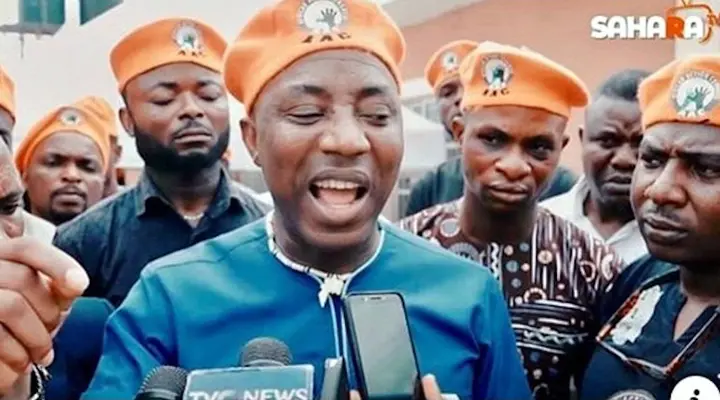
In a development that underscores rising political tensions ahead of the 2027 general elections, activist and politician Omoyele Sowore has openly challenged Yoruba self-determination advocate Sunday Adeyemo (Sunday Igboho), rejecting what he described as attempts to restrict political activity in the South-West.
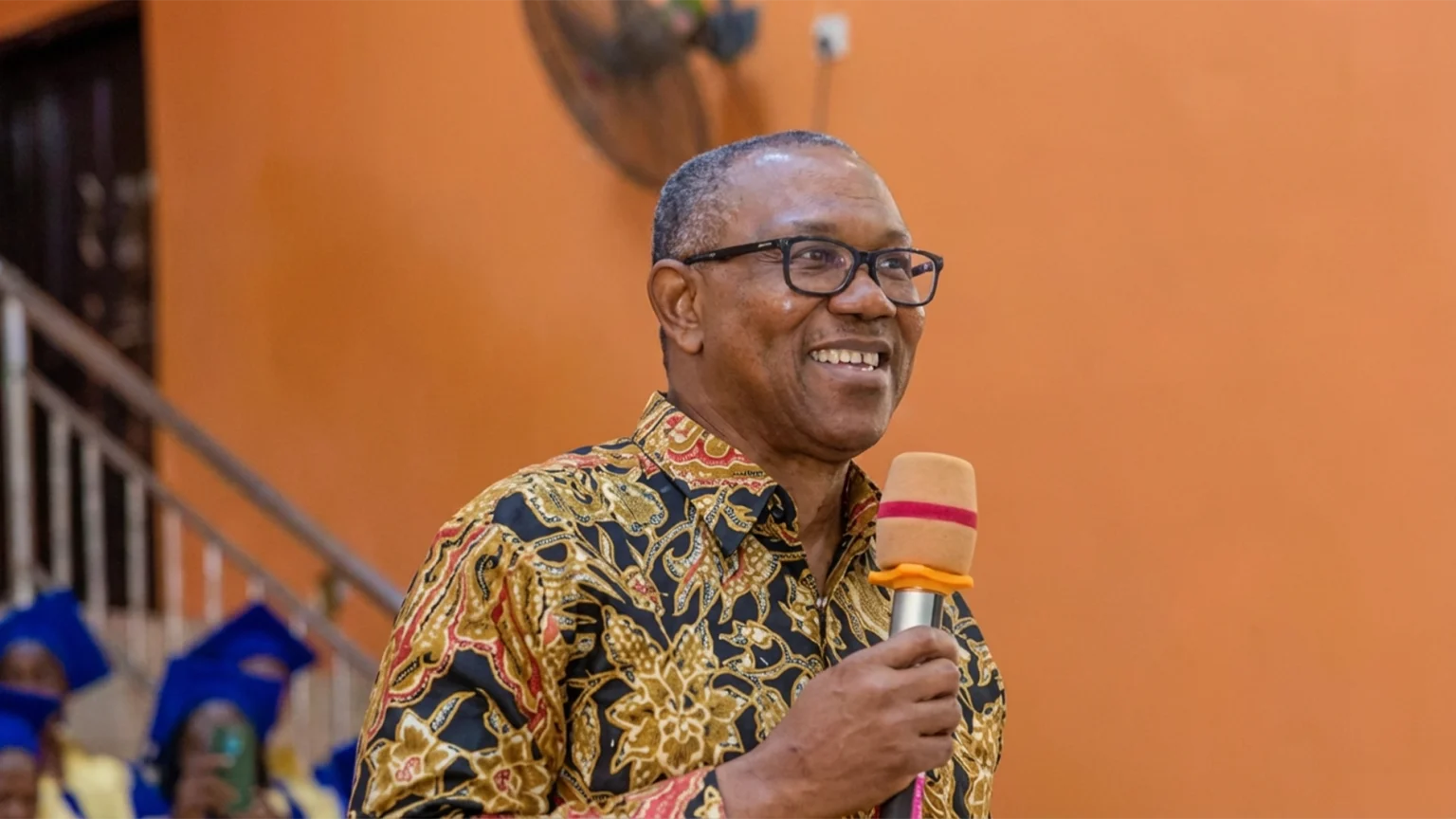
The exchange follows a viral video in which Igboho reportedly cautioned against political campaigns in support of opposition figures, including former Vice President Atiku Abubakar and Labour Party leader Peter Obi, in Yoruba-speaking regions ahead of 2027. The remarks have since sparked debate about political freedom, regional influence, and democratic space.
Responding in a video posted on his official YouTube channel, Sowore dismissed any suggestion that he could be intimidated, framing the confrontation as part of a broader struggle for political rights and open participation.
He pointed to his past activism, particularly his involvement in legal and public advocacy during Igboho’s earlier run-ins with security agencies, as evidence of his stance against political repression.
The activist’s remarks, delivered in a defiant tone, reflect a growing unease over attempts—real or perceived—to influence voter behaviour through regional or identity-based pressure. Analysts say such exchanges highlight the delicate balance between free political expression and rising regional rhetoric in Nigeria’s political landscape.
While Igboho’s position has been interpreted by some as a show of support for President Bola Ahmed Tinubu, Sowore’s response signals resistance to any form of political restriction, particularly in a country where the constitution guarantees freedom of association and political participation.
The episode adds to early political fault lines already emerging as 2027 approaches, with key political actors and movements positioning themselves across different regions.
For observers, the exchange is more than a personal clash—it reflects deeper questions about political tolerance, regional identity, and the boundaries of influence in Nigeria’s evolving democratic space.
As debates intensify, the coming months may determine whether such confrontations remain rhetorical—or evolve into a broader test of Nigeria’s political freedoms.
Sowore Fires Back at Igboho Over Political Threats in Southwest