

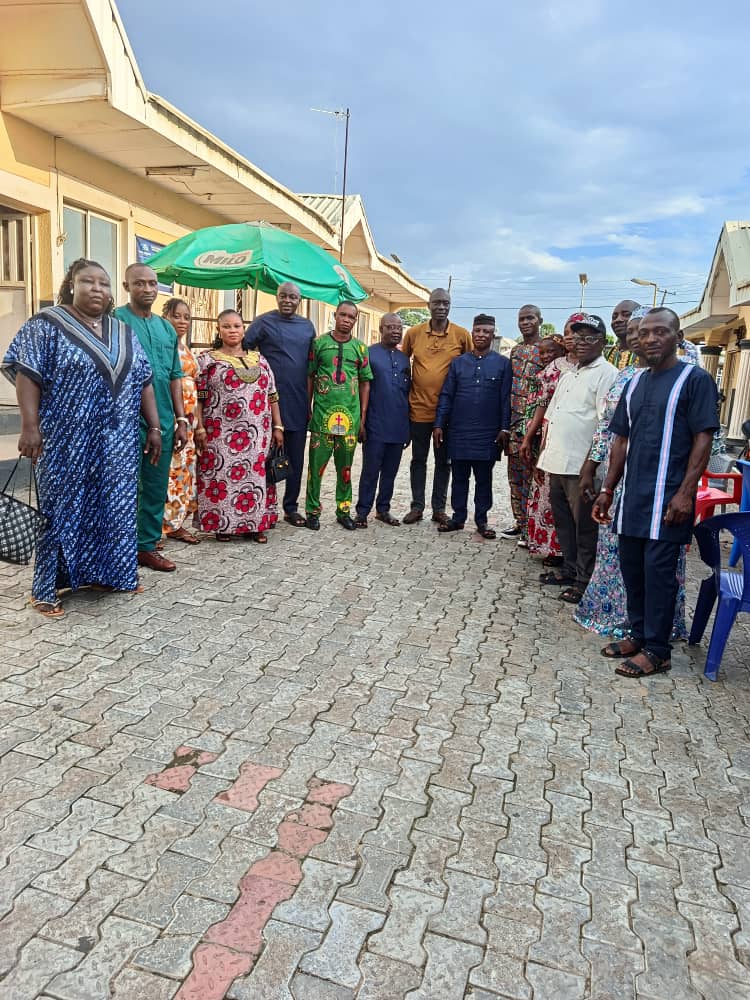

Residents of Cross River and Edo State communities in Kogi State have pledged their support for Governor Ahmed Usman Ododo’s re-election, vowing to mobilise substantial votes for him in the upcoming 2027 governorship election.
The communities expressed their backing during a familiarisation and mobilisation tour in Lokoja, led by the governor’s Special Adviser on South Mobilisation, Abu Michael.
Supporters highlighted the Ododo administration’s commitment to inclusive governance, empowerment initiatives, and efforts to foster peace and unity throughout the state.


Austin Edun, representing the Cross River community, noted that the administration has made residents from outside Kogi feel acknowledged and included in the state’s affairs. He asserted that the governor’s approach has garnered strong support for his bid for a second term, describing the Ododo administration as a pivotal moment in Kogi’s history marked by enhanced peace and unity.
Edun stated, “What we desire at this time is continuity—continuity of good policies, empowerment, and the developmental strides that have placed Kogi on the path of sustainable growth.”
Similarly, the Etsako Nahee Group of Edo State residents in Otokiti, Lokoja, also endorsed Ododo’s candidacy, expressing their readiness to support his re-election efforts. Group leaders Joseph Bagudu and Hajia Rahinat praised the governor for his people-oriented policies, particularly in education, scholarships, and empowerment programs.
The group delivered a resolute message of unwavering support, declaring, “We the men and women are ready. We have resolved. It is a battle of no surrender.” They also stated that those benefiting from government initiatives would reciprocate with their votes in 2027.
In response, Abu Michael expressed gratitude for the communities’ loyalty, highlighting their endorsement as a testament to the Ododo administration’s direction. He affirmed that the government’s inclusive policies had fostered a sense of belonging among southern residents. Michael assured attendees of forthcoming empowerment and welfare programs, urging continued peace and unity as they prepare for the upcoming elections.
The gathering concluded with enthusiastic chants of solidarity and prayers for the success of the Ododo administration.