


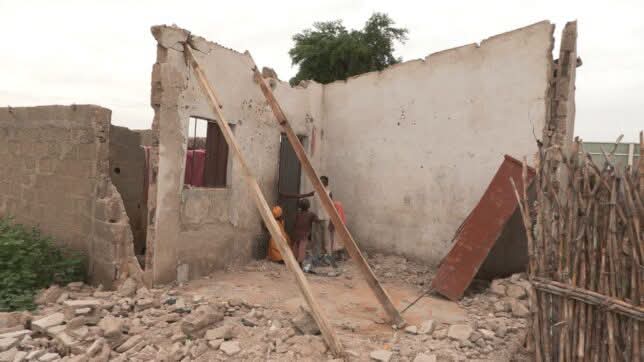
Former Inspector-General of Police and Peoples Democratic Party (PDP) senatorial aspirant for Jigawa South-West, Suleiman Abba, on Saturday visited victims of the devastating windstorm that ravaged parts of Jigawa State, donating ₦500,000 to affected families and calling for coordinated humanitarian intervention to help communities rebuild.
Abba, who led a delegation of PDP leaders from the Jigawa South-West Senatorial District to Kwaimawa village, on the outskirts of Dutse, the state capital, described the destruction as a tragic reminder of the vulnerability of rural communities to natural disasters.
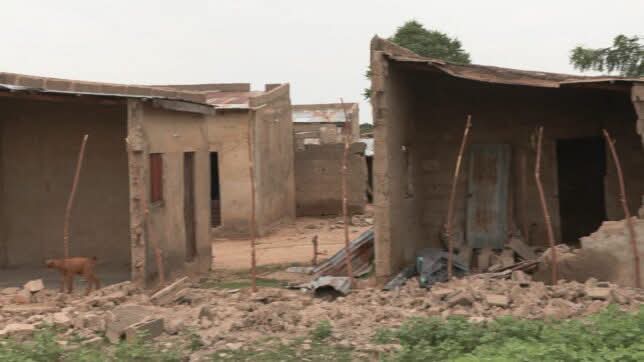
Addressing residents, the former police chief said the loss of lives and destruction of property demanded compassion rather than indifference.
“I came because of the unfortunate incident that befell this community. The windstorm destroyed many houses, injured several people and many families lost valuable property. The greatest tragedy is the loss of human lives because life cannot be replaced,” he said.

He urged the victims not to lose hope, saying adversity should strengthen community solidarity rather than diminish it.
Abba also joined residents in prayers for the repose of those who died and encouraged survivors to remain patient and steadfast, noting that such trials were part of life’s challenges.
To cushion the immediate hardship, he presented a ₦500,000 cash donation to support the most vulnerable families and appealed to governments, corporate organisations, humanitarian agencies and philanthropists to complement relief efforts.
The visit came amid official confirmation that the windstorm was one of the worst weather-related disasters to hit the state in recent years.
According to the Executive Secretary of the Jigawa State Emergency Management Agency (SEMA), Hannafi Yakubu, the storm affected 5,403 households in 120 communities across 13 local government areas.
Yakubu disclosed that seven people lost their lives, while 53 others sustained varying degrees of injuries.
He added that the disaster also damaged 47 schools, three primary healthcare centres and two police stations, leaving hundreds of families displaced and disrupting access to education, healthcare and security services in the affected communities.
SEMA said it had commenced emergency response operations and damage assessment, while working with relevant stakeholders to provide relief materials to victims. The agency, however, acknowledged that the scale of destruction requires broader support from government institutions, humanitarian organisations and public-spirited individuals.
Residents of Kwaimawa and other affected communities appealed for urgent assistance, saying many families remain without shelter and lack the resources to rebuild their homes or replace belongings lost in the disaster.
The latest tragedy has renewed calls for stronger disaster preparedness, climate resilience measures and improved emergency response systems as extreme weather events continue to threaten vulnerable communities across northern Nigeria.
